America’s fascination with charismatic leaders—whether showmen selling miracle cures or politicians wielding sweeping slogans—reveals deep psychological and cultural cravings for simple, reassuring solutions amid complexity. From Clark Stanley’s theatrical medicine shows to Donald Trump’s rally spectacles, spectacle and storytelling have long shaped influence and loyalty. But why are Americans so eager to buy into illusions that promise quick fixes? Is it a desire for genuine cures or a longing for hope masked as hype? This pattern taps into our innate preference for certainty, comfort, and emotional connection, often bypassing rational scrutiny. While spectacle energizes communities, it also risks undermining trust in institutions and fostering polarization. Recognizing this dynamic is vital; meaningful change depends on fostering critical thinking, authenticity, and transparency—proving that true leadership can inspire confidence without relying on the art of illusion. In a world craving hope, how do we distinguish genuine solutions from the allure of snake oil?
Quick Navigation
Why Americans Are Drawn to Charismatic Leaders and Simple Solutions
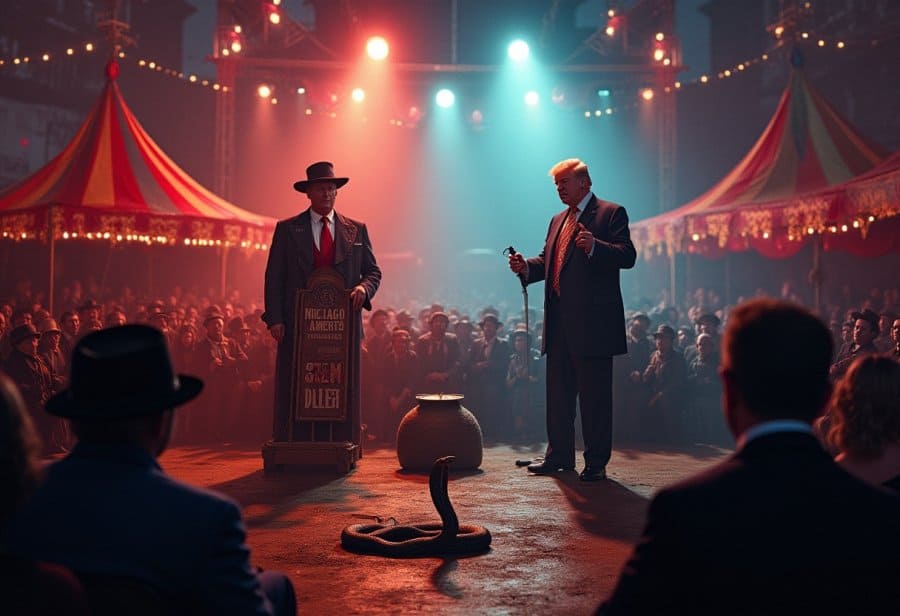
Americans have always been captivated by figures who promise simple solutions to complex problems. Whether it’s a politician rallying crowds with catchy slogans or a showman selling miracle cures, the appeal lies in the charisma and spectacle these leaders bring. This fascination isn’t just about admiration; it taps into deep psychological and cultural roots that shape how we view authority and trust. We’re naturally drawn to personalities that seem confident, authentic, and unshakable—especially when life feels uncertain or chaotic.
This pattern has persisted across generations. From frontier medicine shows to today’s political campaigns, showmanship has played a crucial role in persuasion. These events create immersive experiences that evoke strong emotional responses, forging bonds of loyalty that go beyond facts or policies. Leaders who master spectacle understand that emotional engagement often outweighs rational argument. They craft compelling stories that turn complex issues into memorable narratives, giving followers a quick emotional shortcut to hope and reassurance.
Historically, figures like snake oil salesmen and political showmen thrived because they tapped into a universal desire for quick fixes. Snake oil, often misunderstood as a fake remedy, was once a legitimate treatment made from Chinese water snakes, used to reduce inflammation. Yet, its reputation grew as showmen exaggerated claims and created theatrical performances. Today’s slogans like “Build the wall” or “Drain the swamp” act as modern potions—promising rapid relief from deep-rooted problems, even if solutions are overly simplistic or unproven. They serve as emotional shortcuts that resonate in uncertain times.
What’s remarkable is how deeply rooted this attraction is in American culture. We celebrate the hustle of showmen and charismatic leaders, even as we question their substance. The phrase “snake oil salesman” has become a political epithet used across party lines, highlighting how the nation recognizes both the allure and the danger of charisma wrapped in spectacle. This ongoing fascination reveals a collective hope that complex issues can be solved simply—a hope that often leads us to invest faith in those who seem to promise quick cures.
This obsession isn’t just about gullibility; it reflects a fundamental psychological need. When faced with overwhelming challenges, our minds seek clarity and certainty. Leaders who project confidence and craft believable identities fulfill that need, offering a sense of safety amid chaos. Their ability to stir emotions—hope, fear, pride—creates powerful bonds that bypass rational skepticism. In a world filled with noise and complexity, the allure of simple solutions remains a constant, shaping our political landscape and cultural identity alike.
From Medicine Shows to Political Rallies: The Evolution of Spectacle and Persuasion in America
Spectacle and showmanship have been woven into American culture from its earliest days, shaping how influence and persuasion develop over time. In the 19th century, medicine shows became a staple of entertainment and salesmanship, blending storytelling, daring acts, and theatrical flair to draw crowds. Figures like Clark Stanley, the so-called “Rattlesnake King,” performed dramatic feats—pulling rattlesnakes from sacks, slicing open creatures, and creating a sense of wonder. These performances weren’t just about selling remedies; they crafted immersive experiences that built trust and emotional engagement, turning medicine into entertainment.
As the nation expanded, so did the importance of spectacle in politics. Campaigns increasingly resembled theatrical productions, filled with dramatic gestures, memorable slogans, and striking visual staging. Politicians learned that emotional energy and visual flair often mattered more than detailed policy debates. Rallies and speeches became performances designed to stir feelings—hope, pride, or anger—creating visceral moments supporters would remember long after. This focus on showmanship helped leaders forge emotional bonds that could override rational skepticism.
Many of these traditions have roots in earlier American performances. Snake oil salesmen, for instance, relied heavily on theatrics—exaggerated claims, daring acts, charismatic personalities—to sell their products. Although often dismissed as frauds today, the original snake oil was a legitimate medicine brought to America by Chinese railroad workers, made from water snakes rich in omega-3s and effective against inflammation. The myth of fakery grew alongside showmen like Clark Stanley, who claimed to learn from Hopi medicine men, erasing its Chinese origins and turning it into a mystical miracle cure. This blending of truth and fiction fueled the allure of quick fixes and miracle remedies.
Politicians and entrepreneurs have long understood that authenticity is often a matter of perception. Both Stanley and modern figures like Donald Trump craft identities that seem genuine—whether through folklore, theatrical gestures, or shared symbols—making followers believe they’re getting real, unvarnished truth. These performances serve a purpose: they create a sense of certainty and strength, fostering loyalty at the expense of factual accuracy. The art of spectacle becomes a tool to build trust, even when underlying claims are exaggerated or oversimplified.
The story of snake oil exemplifies how myth can outpace reality. While many see snake oil as a scam, it was originally a useful remedy—Chinese water snakes containing omega-3s—used by railroad workers to treat arthritis. The false reputation grew as showmen exaggerated claims, turning a legitimate medicine into a theatrical spectacle. This myth persists because humans are naturally drawn to miracle cures—quick solutions to complex problems—making snake oil a powerful symbol of both hope and deception.
American showmanship isn’t limited to medicine or politics; it reveals a broader cultural tendency to believe in miracle cures and easy answers. From frontier quack doctors to modern populist leaders, the pattern remains consistent: drama, confidence, storytelling. Leaders who master spectacle can forge deep emotional bonds, making their followers feel seen, understood, and protected. This tradition of performance continues to shape influence, driven by the universal desire for certainty and hope, especially in uncertain times.
Throughout history, spectacle has been a double-edged sword—energizing communities but also undermining trust in institutions. Leaders who excel at showmanship appear more authentic, even when their claims are inflated. These performances forge emotional connections that transcend skepticism, creating shared identities and loyalty. Recognizing this pattern helps explain why charisma often outshines substance and why spectacle remains a central feature of American influence—a legacy of the nation’s love for entertainment, storytelling, and the power of persuasion.
The Psychological and Cultural Forces Making Us Favor Charismatic Figures
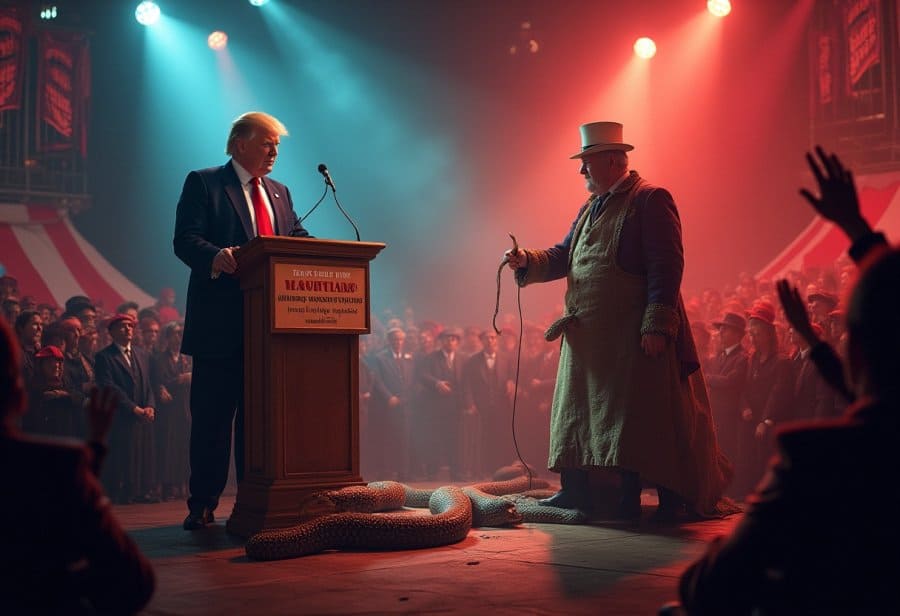
Humans are naturally wired to seek simplicity, especially when faced with overwhelming or complex issues. Our brains prefer quick, clear answers because they reduce uncertainty and provide a sense of control. This mental shortcut makes us more receptive to charismatic leaders who promise straightforward solutions, even if those promises lack nuance or evidence. Slogans like “build the wall” or “drain the swamp” tap into this deep-seated desire for clarity, turning complex problems into digestible, emotionally resonant messages that stick.
Society reinforces this tendency through cultural stories about heroes and saviors who arrive to fix everything with a single act. From childhood, we’re conditioned to cheer for figures who exude confidence and seem in control. These narratives foster an environment where trust in personality often outweighs skepticism or detailed understanding. When a leader projects certainty—whether through a commanding voice, dramatic gestures, or shared symbols—we tend to see them as a moral or emotional salvation, strengthening our emotional bonds and loyalty.
Emotions play a powerful role in this dynamic. Charismatic leaders connect with feelings like hope, fear, pride, and anger, often bypassing rational thought altogether. When a leader makes us feel seen or understood—promising to restore greatness or protect us from threats—we develop loyalty rooted in shared identity. Questioning such figures can threaten that sense of belonging, making supporters more likely to accept their claims uncritically and cling to emotional loyalty over facts.
Showmanship and spectacle magnify this effect. Leaders who understand how to craft engaging performances use dramatic gestures, memorable slogans, and striking visuals to turn politics into an experience. These moments foster emotional engagement, transforming leaders into larger-than-life figures. The focus on entertainment often overshadows policy details, with confidence and charisma becoming the markers of authenticity and strength.
This reliance on spectacle and simple answers isn’t harmless entertainment; it can weaken democratic processes. When slogans and theatrics replace careful debate, critical thinking suffers. People become more receptive to catchy phrases and dramatic displays, opening the door to misinformation and polarization. Over time, this pattern erodes trust in institutions and experts, making society more vulnerable to superficial narratives that appeal to emotion rather than reason.
Recognizing these psychological and cultural drivers helps explain why audiences remain so susceptible to charismatic figures. It’s not just gullibility but a fundamental desire for certainty and reassurance in a chaotic world. Leaders who exploit these tendencies succeed because they meet deep emotional needs—offering a sense of safety, belonging, and hope wrapped in a compelling persona. Understanding these forces can help us navigate influence more wisely and foster a culture that values authenticity and critical engagement.
This tendency to accept charismatic claims without scrutiny can be seen in historical examples of deception, such as the widespread belief in various ‘miracle cures’ and false promises. The article on how Snake Oil Became a Symbol of Fraud highlights how these schemes exploit our desire for quick fixes and simple solutions, making us vulnerable to deception. To better understand how such scams operate and why they appeal to our psychological biases, you can read more about the history of deceptive practices in this insightful piece: Snake Oil Became a Symbol of Fraud.
Modern Charisma and Spectacle: How Leaders Shape Public Perception Today
In today’s America, the influence of charismatic figures and their promise of simple solutions feels more immediate and visible than ever. Modern political rallies often resemble theatrical productions rather than traditional debates. Leaders like Donald Trump have perfected the art of turning campaign events into spectacles—part revival meeting, part rock concert, part WWE showdown. These rallies evoke powerful emotions—hope, pride, anger—creating a shared sense of identity among supporters that often overshadows substantive policy discussions.
This focus on spectacle shapes public perception and loyalty in profound ways. Leaders who understand how to craft a compelling image can bypass critical thinking, making their messages seem authentic and relatable. Supporters tend to prioritize personality and confidence over facts, turning politics into entertainment where style and storytelling outweigh policy nuance. The emotional resonance of a rally or speech often sways opinions more effectively than detailed proposals, transforming political discourse into a form of performance.
Looking back, the parallels with historic medicine shows are striking. Clark Stanley’s snake oil demonstrations weren’t just about selling a remedy—they were performances designed to stir trust and emotion. Today’s political rallies serve a similar purpose: they’re staged events that generate loyalty by creating a shared emotional experience. Both rely heavily on spectacle to build a sense of authenticity, making leaders appear trustworthy because they exude confidence and charisma. This pattern underscores how deeply rooted showmanship remains in American influence.
The consequences of this trend are significant. While spectacle can energize supporters and foster a sense of community, it often distorts democratic processes. When emotional appeals and catchy slogans replace careful policy debate, critical thinking and informed discussion suffer. People become more receptive to superficial narratives, which can lead to misinformation and polarization. Over time, reliance on spectacle risks undermining trust in institutions and experts, making society more vulnerable to manipulation.
Despite these risks, the appeal of charismatic leaders offering quick fixes continues to grow. Their ability to craft authentic-seeming identities—whether through folklore, theatrical gestures, or shared symbols—keeps followers loyal. Promises to “drain the swamp” or “build the wall” serve as simplified narratives that provide a comforting illusion of control, even if they lack real substance. This craving for certainty amid chaos keeps the cycle of spectacle and simplistic solutions spinning.
To foster a healthier democracy, it’s crucial to recognize the power of spectacle and encourage critical engagement. Promoting media literacy, emphasizing evidence-based reasoning, and creating spaces for nuanced dialogue can help counteract superficial narratives. When society values depth over hype, the grip of spectacle loosens, paving the way for more informed, resilient political discourse rooted in genuine solutions rather than hollow performances.
Ultimately, navigating this landscape requires balancing hope with realism. Leaders who inspire confidence without sacrificing truth can forge stronger bonds and foster trust. Citizens equipped with critical thinking skills and a commitment to authenticity can resist the seduction of hype. By valuing transparency and substance, society can shift away from entertainment-driven politics and toward meaningful engagement—where genuine leadership replaces the allure of snake oil and spectacle.
Navigating America’s Charismatic Culture: Building Trust in a World of Spectacle
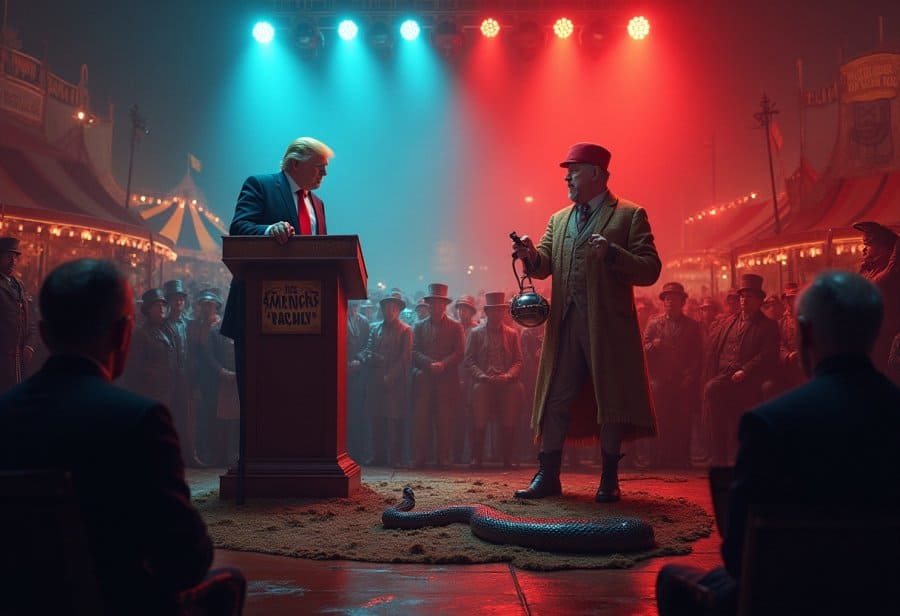
Our fascination with charismatic figures runs deep, rooted in psychological and cultural needs that shape how Americans perceive authority and trust. In a world filled with complexity and uncertainty, we seek hope and reassurance—quick fixes that promise to simplify the difficult. Leaders who project confidence and craft believable identities fulfill this craving, offering a sense of safety amid chaos. They become symbols of strength and stability, forging emotional bonds that go beyond facts and policy details.
But recognizing this pattern shouldn’t lead us to accept superficiality uncritically. Building a healthier democracy requires fostering critical thinking and media literacy. When we learn to question the stories behind the spectacle, we can better distinguish genuine solutions from performances designed to manipulate emotion. Valuing evidence and nuance over catchy slogans helps create a culture that appreciates authenticity and honesty, rather than hype.
Leaders who embrace transparency and humility can forge stronger, more lasting connections. Authenticity isn’t about perfection; it’s about showing concern, admitting complexity, and engaging honestly with the issues we face. When political figures prioritize substance over style, the cultural expectation that loudness equals credibility diminishes. Over time, this shift can cultivate trust rooted in truth rather than spectacle, encouraging participation based on informed understanding.
Changing the cultural landscape won’t happen overnight, but every effort counts. Supporting independent journalism, promoting critical skills through education, and encouraging curiosity about complex issues strengthen resilience against superficial narratives. As society learns to look past the hype, we become better equipped to demand genuine leadership—leaders who inspire confidence without sacrificing integrity.
Balancing hope with realism is essential. Leaders who can motivate and uplift without resorting to hype build trust through consistency and honesty. Citizens who develop a skeptical eye and value transparency contribute to a culture where authenticity is celebrated. This collective effort can steer us away from the allure of snake oil and toward solutions rooted in truth, fostering a political environment where meaningful change is possible.
In the end, navigating America’s obsession with charisma involves recognizing our shared psychological needs and meeting them in healthier ways. By valuing depth over distraction, fostering genuine dialogue, and holding leaders accountable, we can create a landscape where hope is grounded in reality. Such a shift not only strengthens democracy but also ensures that leadership is about real solutions—solutions that serve the common good rather than merely selling illusions.