In an era where threats evolve faster than locks can keep up, is your home truly protected by modern security solutions? Today’s integrated systems go far beyond traditional locks and alarms, offering real-time surveillance, smart access controls, and automated responses that adapt seamlessly to daily life. These intelligent setups enable homeowners to monitor their property remotely, detect environmental hazards early, and respond swiftly to intrusions—often before chaos unfolds. Yet, reliance on connectivity and sophisticated technology introduces vulnerabilities: connectivity glitches, cybersecurity risks, and false alarms can compromise safety when you need it most. As the future promises smarter, more predictive systems powered by AI and IoT, the question remains—how can families ensure these innovations truly safeguard what matters most? With evolving technology comes the need for vigilance, but also a profound shift toward proactive, resilient home protection that blends convenience with uncompromising security.
Quick Navigation
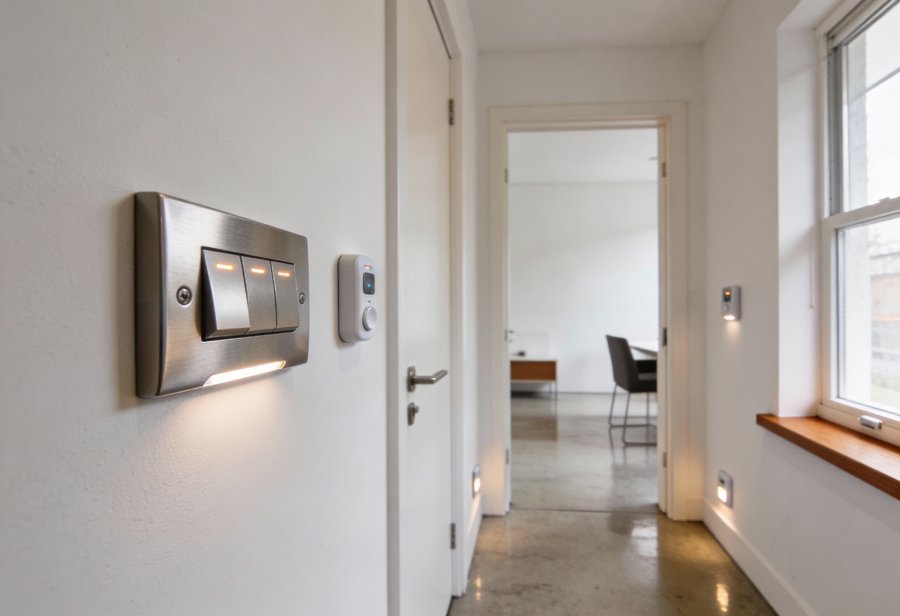
Revolutionizing Home Security: From Locks to Smart, Connected Systems
Home security has come a long way from the days of simple locks and basic alarms. Today’s homes are protected by smart, connected systems designed to give homeowners more control and peace of mind. Instead of relying solely on physical barriers, modern solutions incorporate cameras, sensors, and automation tools that communicate seamlessly through the internet. This shift reflects our desire for real-time awareness and immediate responses to potential threats, making home security more proactive and adaptable.
Thanks to wireless technology and smart devices, you can monitor your home from anywhere—whether you’re at work, on vacation, or running errands. Checking live camera feeds, locking doors remotely, or receiving instant alerts about suspicious activity is now just a tap away. This level of control transforms traditional security from a passive deterrent into an active management system, allowing families to stay connected and in command no matter where they are.
Modern home security systems are also highly customizable. High-definition CCTV cameras can be placed inside and outside your home to serve as both deterrents and monitoring tools. These cameras are accessible remotely, so you can keep an eye on your property in real time. Alarm systems now include a range of sensors—covering doors, windows, motion, and even glassbreaks—that are monitored around the clock by professional security teams. This integration creates a comprehensive safety network that responds swiftly to any signs of trouble.
This evolution isn’t just about preventing break-ins. It’s about creating an intelligent environment that actively detects and responds to a broad spectrum of household threats. Sensors can identify unusual sounds or environmental hazards, such as smoke or gas leaks, before they escalate into emergencies. Artificial intelligence helps differentiate between everyday activities and genuine threats, reducing false alarms and ensuring that alerts are meaningful and timely.
The integration of these systems with home automation enhances their effectiveness even further. When a sensor detects an anomaly, it can trigger multiple responses simultaneously—lighting up the exterior, locking doors, activating cameras, and alerting homeowners—creating a layered defense that adapts dynamically to different situations. This seamless coordination turns home security into a smart, responsive system that fits naturally into daily life.
Overall, the transition to integrated, remote-controlled solutions has transformed home safety from a static setup into a proactive, intelligent environment. It offers families the ability to monitor and manage their homes in real time, responding swiftly to any signs of danger. As technology continues to advance, these systems will only become more intuitive, reliable, and essential for protecting what matters most in an increasingly connected world.
Navigating the Pitfalls: Challenges of Relying on Remote-Controlled Security
Relying on remote-controlled security systems introduces vulnerabilities that can undermine their effectiveness. Connectivity issues are among the most common hurdles; when Wi-Fi or internet service drops unexpectedly, homeowners lose access to live feeds, alerts, and remote controls precisely when they need them most. During such outages, critical security functions may be disabled, creating gaps that intruders could exploit. The dependency on stable internet means any disruption—be it due to maintenance, storms, or technical failures—can leave homes unprotected at crucial moments.
Cybersecurity concerns are equally significant. As these systems grow more connected, they become attractive targets for hackers. Intruders might attempt to breach cameras, control panels, or alarm networks, potentially disabling alarms or manipulating camera feeds to hide their presence. Personal data stored within these devices, such as access logs and video footage, can also be vulnerable to theft or misuse if proper security measures aren’t in place. Without robust encryption and regular security updates, these vulnerabilities turn trusted systems into potential attack points.
False alarms pose another challenge. Sensors can misinterpret environmental factors—for example, a passing vehicle or a pet—as intrusions. Software glitches or user errors can trigger unnecessary alerts, leading to alarm fatigue where residents start ignoring notifications. Over time, this diminishes the system’s reliability and effectiveness, making it harder to distinguish real threats from false positives. Frequent false alarms can also strain emergency responders and erode confidence in the system’s accuracy.
Readers may find more insight in Revolutionizing Home Security with Smart Connected Solutions, an article by Iri King on Shirelles….
Overdependence on internet connectivity highlights a critical weakness; many remote features assume continuous, stable service. When outages occur, homeowners lose the ability to check cameras, lock doors remotely, or receive alerts, leaving their homes exposed. This reliance underscores the need for backup measures, such as local alarms or manual controls, to ensure safety isn’t compromised during connectivity lapses. Without these safeguards, families remain vulnerable when the digital infrastructure falters.
Maintaining these advanced systems requires ongoing effort. Regular software updates, firmware patches, and cybersecurity checks are essential to close vulnerabilities and keep devices functioning properly. However, busy homeowners often overlook these updates, leaving their security infrastructure exposed to new threats. Outdated software or unpatched vulnerabilities weaken defenses and can be exploited by malicious actors. To truly benefit from these systems’ capabilities, consistent maintenance and vigilance are vital, ensuring they remain reliable and secure in an ever-changing digital landscape.
Protect Your Markham Property with F.I.S.T Security’s Expert Solutions
F.I.S.T Security is a proud Canadian-owned and operated business based in Markham, Ontario, with a reputation for excellence in security services. We specialize in comprehensive security solutions including intruder detection, card access systems, CCTV surveillance, alarm monitoring, remote video monitoring, lighting, and environmental control. Our team goes the extra mile to ensure your safety and peace of mind, especially when you need customized security installations like intercom systems. At FIST Security, customer satisfaction is our top priority, and we are dedicated to providing reliable, high-quality security tailored to your needs. Contact us today at 416.755.4233 or email [email protected] to learn more about how we can protect your Markham property.
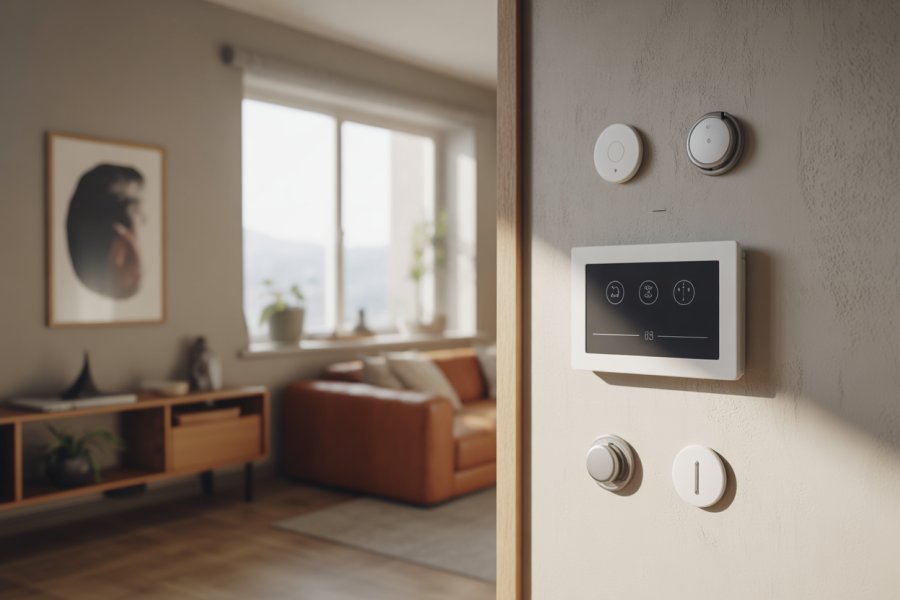
Defending Homes Proactively: How Modern Security Addresses Unpredictable Threats
Modern security systems are now better equipped to handle the unpredictable threats households face daily. Unlike traditional setups that relied primarily on static alarms or basic locks, today’s solutions use a combination of smart sensors and artificial intelligence to detect early signs of trouble. Sensors can identify unusual sounds like shattering glass or environmental changes such as temperature spikes that may indicate a fire or gas leak. These technologies actively monitor homes, recognizing potential risks before they fully develop, giving residents a crucial head start in responding.
Artificial intelligence plays a key role in this proactive approach. Cameras and sensors can now distinguish between normal household activity and genuine threats, significantly reducing false alarms. For example, they can tell if a shadow is just a passing car or a pet rather than an intruder. When a suspicious activity is detected, these systems automatically notify homeowners and, if connected to professional monitoring, alert emergency services instantly. This quick, targeted response minimizes the window of opportunity for intruders and helps prevent damage or theft.
Beyond physical threats, modern security solutions address environmental hazards as well. Smart sensors detect smoke, carbon monoxide, or water leaks, activating alarms and alerting families immediately. Early awareness of these dangers allows households to respond swiftly—ventilating the house, shutting off utilities remotely, or calling for help—reducing the risk of severe harm. This rapid detection is especially valuable in busy households where emergencies can escalate quickly if not caught in time.
This perspective is expanded in Kie Russell‘s article Revolutionizing Home Security with Smart Remote Control Systems on The North Shore.
Integration with home automation further enhances these capabilities. When sensors identify a threat, they can trigger multiple responses simultaneously—lighting up exteriors, locking doors, activating cameras, and even adjusting thermostats. For example, if a window sensor detects a break, the system can lock other entry points and alert residents automatically. These coordinated actions create a comprehensive, layered defense that adapts seamlessly to different situations, making homes both safer and more responsive.
These advanced security systems act as active guardians, continuously learning and adapting to household risks. By combining cutting-edge sensors, AI-driven analytics, and interconnected automation, they form a dynamic environment that responds swiftly to both known and unforeseen dangers. This proactive approach not only deters intruders but also minimizes the impact of environmental hazards, ensuring families feel confident their homes are protected against today’s complex threats.
Overall, modern security solutions are transforming home safety into a sophisticated, intelligent system. They proactively identify risks, respond in real time, and adapt to changing circumstances, creating a safer living space. As these technologies evolve, homes will become more resilient, capable of addressing unpredictable threats with increasing precision. This ongoing innovation promises a future where household safety is more reliable, intuitive, and seamlessly integrated into everyday life, empowering families to live with greater peace of mind.
Security in Action: Practical Ways Modern Solutions Protect Daily Life
Modern security systems are increasingly woven into everyday life, offering practical ways to enhance safety and peace of mind. For instance, a homeowner returning from a busy day can remotely check outdoor cameras, ensuring everything is in order before even stepping inside. A quick glance on a smartphone reveals live footage, allowing immediate action—whether to alert family members or contact authorities—without leaving the couch. This seamless control makes monitoring effortless and less intrusive, fitting smoothly into daily routines.
In another scenario, smart sensors detect environmental hazards, such as a gas leak or fire, and send instant alerts. Imagine a family away on vacation receiving a notification about a detected leak; they can then remotely shut off the gas supply and call emergency services, preventing a potential disaster. These rapid responses turn security from a reactive measure into a proactive safeguard, minimizing damage and danger while giving families confidence that their homes can handle emergencies even when they’re not physically present.
Experience the Future of Smarter, Seamless Home Security offers a complementary viewpoint from Ivy Perez on Jim Dear!.
Smart access controls also transform how families manage their homes. Keyless locks and temporary codes allow homeowners to grant trusted visitors—like a neighbor or service technician—access for specific times. For example, a parent can give a one-time code to a pet sitter or delivery person, then revoke it once the task is complete. These systems keep track of who enters and when, providing accountability and convenience without sacrificing security. The ability to manage access remotely adds an extra layer of flexibility to busy lifestyles.
Home automation further enhances security by coordinating responses to detected threats. When sensors pick up unusual activity, automation systems can turn on exterior lights, activate security cameras, and lock all doors automatically. If a window sensor detects a break, the system can lock other entry points and alert the homeowner instantly. This layered approach creates a comprehensive defense, making it harder for intruders to succeed and ensuring a swift, coordinated response to various situations.
These real-life examples underscore how integrated security solutions are not just theoretical concepts but practical tools that adapt to daily life. They offer immediate visibility, rapid response, and flexible control—making homes safer and smarter. By seamlessly blending technology with routine activities, modern security systems help families stay connected, in control, and prepared for whatever threats may arise.
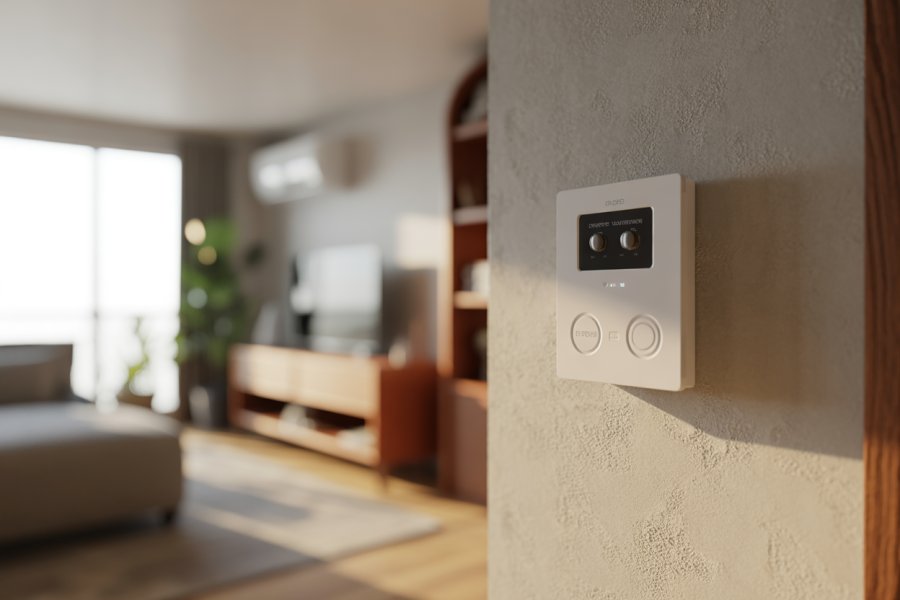
Looking Ahead: The Future of Smarter, More Integrated Home Security
The future of home security is headed toward smarter, more integrated solutions that actively adapt to our lives and environments. Advances in artificial intelligence, machine learning, and the Internet of Things will enable homes to anticipate threats and respond automatically, reducing the need for constant manual oversight. These proactive features will create a safety net that prevents dangers before they fully materialize, transforming home protection from reactive to predictive. As a result, families can enjoy greater peace of mind knowing their homes will increasingly safeguard them without demanding continuous intervention.
Cybersecurity will become even more vital as our homes connect more devices and systems. Protecting personal data and ensuring the integrity of these networks will be essential to maintaining trust in smart security technologies. Manufacturers will need to prioritize robust encryption, regular updates, and transparent privacy practices. When security devices are both effective and secure, families can benefit from automation without fear of hacking or data breaches, making the technology both reliable and trustworthy.
Sensor technologies and analytics will continue to evolve, enabling homes to detect threats with higher accuracy and speed. Innovations like facial recognition, behavioral analysis, and environmental sensors will help differentiate between normal household activity and genuine risks. This precision will lead to fewer false alarms and quicker responses, making security systems more efficient and less intrusive. Over time, these systems will learn household patterns, further refining their ability to identify suspicious activity and provide timely alerts.
Deeper integration with home automation will turn security into a seamless part of daily life. When sensors detect a threat, they can trigger multiple responses—lighting, locking doors, activating cameras, and adjusting climate controls—all automatically. This layered approach creates a comprehensive, adaptive environment that responds swiftly to changing circumstances, making homes not just safer but also more convenient to manage. Such coordination will make security a natural extension of everyday routines, blending protection with comfort.
Looking ahead, smarter security will contribute to safer neighborhoods and more resilient communities. As data-driven insights inform urban planning and emergency response strategies, our homes will become part of interconnected, resourceful ecosystems. While privacy and cybersecurity concerns remain, ongoing innovation promises a future where home security is more intuitive, reliable, and aligned with the needs of modern living—empowering families to live confidently in an increasingly complex world.