In a digital age brimming with screens and distractions, could the simple act of tending a shared garden unlock deeper emotional bonds and foster healing? ‘Growing More Than Vegetables’ explores how working side-by-side in nature nurtures trust, patience, and empathy—qualities that strengthen relationships and create resilient communities. From ancient traditions to modern urban farms, the practice of communal gardening has long served as a universal language of cooperation and cultural connection. Today, innovative practices and inclusive initiatives demonstrate that nurturing plants together not only grows food but also cultivates mental well-being and social cohesion. Could these quiet, patient acts of care be the key to overcoming loneliness and disconnection? This compelling exploration reveals that tending gardens isn’t just about cultivating soil—it’s about cultivating human relationships, offering hope for a more compassionate, connected future.
Reconnect and Heal: The Power of Gardening Together in a Digital World
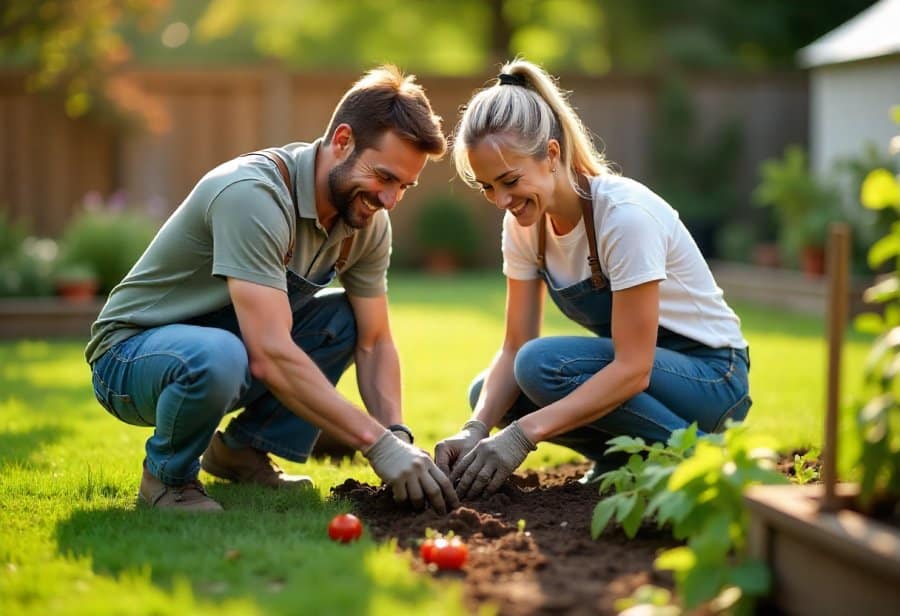
In a world increasingly dominated by screens and digital distractions, the simple act of gardening together offers a refreshing way to reconnect. There’s something inherently calming about digging in the earth, planting seeds, and nurturing life side by side. These shared moments in nature serve as a gentle reminder that genuine bonds often grow in the quiet, patient work of tending a garden—an act that requires attention, cooperation, and care. It’s a natural antidote to the isolation many feel amid our fast-paced, connected lives.
Gardening isn’t just about cultivating plants; it’s about cultivating relationships. When people work together outdoors, they create space for conversation, understanding, and trust to flourish. The physical act of caring for something living fosters patience and empathy, qualities that deepen emotional bonds over time. These experiences turn a simple outdoor activity into a meaningful ritual of connection, one that nurtures both the garden and the human spirit.
Throughout history, cultures across the globe have used communal gardening as a way to strengthen social ties. From ancient city gardens to traditional family plots, shared land tending has been a universal language of cooperation and care. These practices weren’t just about growing food—they were about building trust, passing down values, and creating a sense of community. Today’s shared gardening efforts echo this rich tradition, demonstrating that working together in nature remains a powerful tool for healing and emotional connection.
In our digital age, the act of tending a garden with others can be transformative. It provides a tangible space where people can slow down, focus, and experience the satisfaction of nurturing life. As we dig, plant, and harvest together, we forge bonds that help counteract feelings of loneliness and disconnection. Gardening becomes more than a hobby—it’s a meaningful way to heal, to reconnect, and to remind ourselves that some of the strongest relationships are rooted in shared effort and patience.
Roots of Connection: Tracing the Rich History of Shared Gardens Across Cultures
Gardening has been a fundamental part of human life for thousands of years, serving as much more than a way to grow food. It has historically been a vital means of building community and strengthening social bonds. In ancient Mesopotamian cities, communal gardens weren’t just sources of sustenance; they functioned as social hubs where residents collaborated, shared resources, and celebrated collective effort. These shared tasks fostered trust and cooperation, laying the groundwork for social cohesion that lasted through generations. Similarly, traditional Chinese gardens weren’t solely aesthetic spaces—they were designed as environments for family gatherings and philosophical reflection, emphasizing harmony and unity through shared care of plants.
Across different cultures, indigenous communities relied on shared farming rituals and planting ceremonies that went beyond practicality. These rituals carried deep cultural and spiritual significance, reinforcing a sense of belonging and mutual responsibility. When entire communities worked together during planting and harvest seasons, it created natural opportunities for storytelling, teaching, and bonding—integral elements that embedded these practices into their cultural fabric. Such collective efforts weren’t just about agriculture; they were about nurturing social ties that sustained both land and people.
As societies evolved, the therapeutic benefits of gardening gained recognition. In the 20th century, the concept of horticultural therapy emerged, inspired by these ancient traditions. It demonstrated that working with nature could foster emotional resilience and mental well-being. Today, this idea continues to grow, with many health initiatives incorporating community gardening as a way to promote healing and connection. These practices show that shared gardening remains a universal language—one rooted in centuries of human history—that helps forge bonds through collective care and patience.
The enduring importance of communal gardening highlights a simple yet powerful truth: working side by side in nature builds trust, patience, and resilience. Whether in the bustling city streets or remote village settings, tending to the land together has consistently served as a way to deepen relationships and foster social cohesion. These traditions remind us that planting, caring for, and harvesting crops isn’t just about sustenance; it’s about cultivating relationships that nourish communities, passing down values of cooperation, mutual support, and shared effort across generations.
Understanding these deep-rooted practices underscores that shared gardening is a timeless act of connection. It’s a universal language that has helped communities thrive for millennia—one that continues to remind us of the power of patience, care, and collaboration. As we look to the future, embracing this legacy offers a pathway to rebuild trust and foster meaningful bonds in an increasingly disconnected world. Cultivating gardens together is more than a hobby; it’s a way to nurture both land and human relationships, ensuring that the bonds formed in the soil can grow strong and enduring.
Growing Bonds: How Modern Gardening Practices Foster Emotional Well-Being
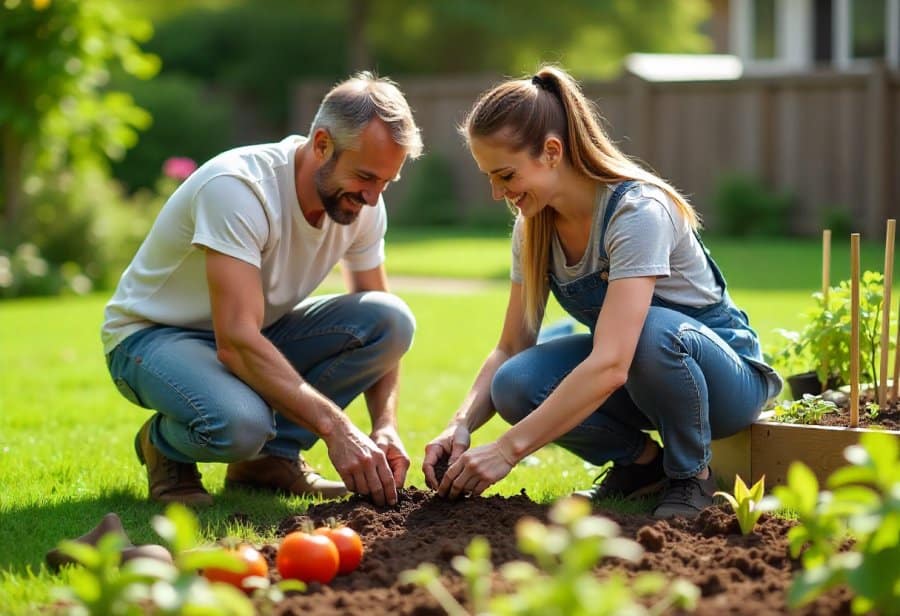
Modern gardening practices have become powerful tools for strengthening emotional bonds and supporting mental health. Today, community gardens and neighborhood plots are more than just places to grow food—they’re lively spaces where people from diverse backgrounds come together with shared goals. Working side by side to plant, tend, and harvest creates natural opportunities for conversation, cooperation, and trust-building. These shared efforts help break down social barriers and foster a sense of belonging that many of us miss in our busy, often isolated lives.
Communities are increasingly recognizing the value of outdoor spaces. Initiatives like urban farms and local garden projects not only provide fresh produce but also serve as social hubs. When people care for plants together, they find common ground and develop patience and understanding. These qualities deepen relationships and turn gardening into a meaningful way to nurture both plants and human connections. Cultural practices like Japanese cherry blossom viewing or community rituals in African villages highlight how shared appreciation of nature can strengthen bonds.
Organizations and policymakers actively promote outdoor activities as part of mental health strategies. Community workshops, volunteer days, and educational programs aim to make gardening accessible to everyone. Evidence shows that working in gardens reduces stress, lifts mood, and gives a sense of purpose. These benefits extend beyond individual well-being, helping build resilient communities where relationships flourish through shared effort. Gardening becomes a quiet yet profound way to foster healing and connection in a world that often pulls us apart.
Today’s practices also emphasize inclusivity. Efforts are underway to ensure that everyone, regardless of age, ability, or background, can participate in gardening activities. Urban green spaces and accessible community gardens make it easier for more people to get involved. This broad accessibility helps create a diverse tapestry of shared experiences, reinforcing that healing through gardening isn’t limited to a particular demographic but is a universal path to emotional well-being.
The psychological benefits of gardening are well documented. Being outdoors in nature reduces stress, lifts spirits, and clears the mind. When shared with others, these effects multiply, creating a sense of purpose and belonging. Watching plants grow and flourish together becomes a collective achievement, reinforcing positivity and community pride. Routine routines like watering, weeding, or harvesting turn gardening into daily rituals that cultivate trust, patience, and joy.
Shared routines in gardening can also improve communication and mutual understanding. Defining roles—such as who waters or who harvest—encourages cooperation and prevents misunderstandings. Celebrating small milestones, like the first bloom or the first harvest, reinforces a sense of collective success. These simple acts build routines that turn gardening into meaningful rituals, strengthening bonds and fostering a sense of shared accomplishment.
In essence, modern gardening demonstrates how nurturing plants can also nurture relationships. It fosters social bonds, promotes mental health, and serves as a reminder that working together outdoors cultivates resilience and compassion. As more communities embrace these practices, shared gardening continues to prove its relevance as a quiet, powerful way to reconnect, heal, and build stronger, more compassionate neighborhoods.
Planting Relationships: Practical Benefits of Collaborative Gardening for Well-Being
Sharing a garden isn’t just about growing plants—it has tangible effects on how people connect and feel about themselves. When individuals work together in a garden, communication naturally improves. They learn to listen, share ideas, and coordinate efforts, which builds trust and patience over time. Whether it’s couples, families, or friends, tending a shared space often deepens their sense of connection, especially during stressful moments, as caring for something living together fosters teamwork and mutual support.
Gardening also enhances mutual understanding. Collaborating side by side highlights the importance of patience and tolerance, allowing people to recognize each other’s strengths and vulnerabilities. These small, everyday acts—watering, weeding, planting—can translate into more open conversations and greater empathy outside the garden, strengthening bonds that might otherwise weaken amid busy routines. It’s a quiet but powerful way to nurture emotional intimacy through shared effort.
The psychological benefits of gardening are well documented. Being outdoors in nature reduces stress, lifts mood, and clears the mind. When these activities are shared, their positive impact multiplies. Participants often experience a renewed sense of purpose and belonging, which helps combat loneliness and feelings of alienation. Community gardens turn strangers into friends, as everyone works toward a common goal. Watching plants grow and flourish together becomes a shared achievement, reinforcing positivity and collective pride.
Implementing routines in gardening can make these benefits even more meaningful. Assigning roles—such as watering or harvesting—encourages cooperation and prevents misunderstandings. Celebrating milestones, like a first bloom or harvest, fosters a sense of shared success and motivates continued effort. These simple rituals turn gardening into daily acts of care that cultivate trust, patience, and joy, reinforcing the emotional bonds that sustain relationships.
Beyond individual connections, shared gardening has a profound impact on entire communities. Neighborhood projects and school gardens bring diverse groups together, breaking down social barriers and encouraging inclusivity. Working side by side in these spaces promotes dialogue, mutual respect, and patience. The act of nurturing plants becomes a metaphor for nurturing community resilience, demonstrating that collective effort can create a stronger, more unified neighborhood. For more on this topic, the Mayo Clinic highlights how gardening can support health, reduce stress, and connect us with nature. Click here to read the full article.
Challenges exist, such as limited access to outdoor space or cultural differences in perceptions of gardening. However, these obstacles highlight the need for adaptable and inclusive approaches. When accessible, shared gardening remains a powerful tool—not just for growing food or flowers but for cultivating trust, resilience, and emotional well-being. In a world that often pulls us apart, tending a garden together offers a quiet, effective way to reconnect and nurture meaningful relationships.
Cultivating the Future: Embracing Gardening as a Tool for Connection and Healing
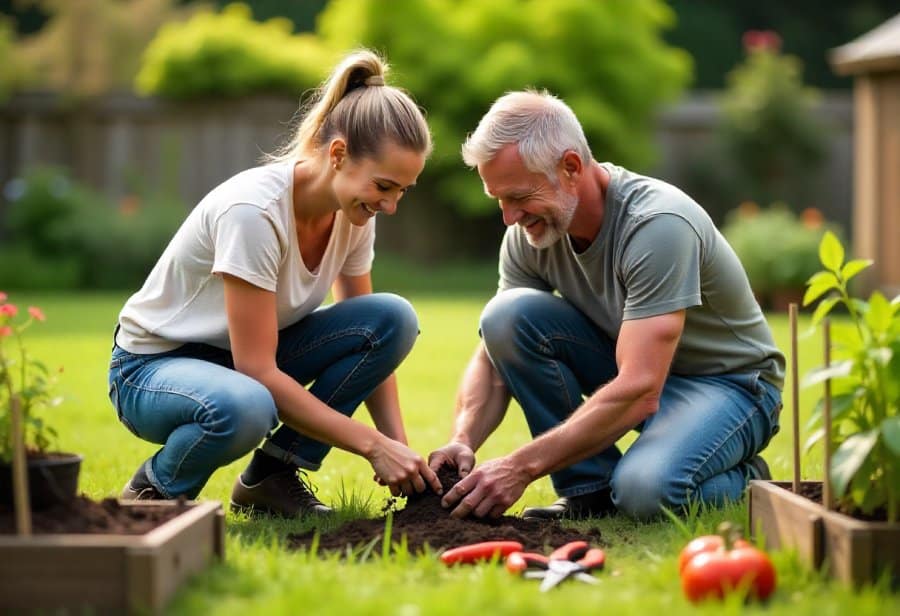
Looking ahead, the potential of gardening as a powerful tool for connection and healing continues to grow. As awareness around mental health and the importance of social bonds expands, communities are increasingly turning to shared gardening projects as accessible, meaningful ways to foster emotional well-being. Advances in urban farming and sustainable practices open new opportunities for inclusive participation, allowing people from diverse backgrounds to come together in nurturing the land—and each other. Future innovations might include specific gardening techniques designed to maximize emotional benefits or policies that integrate outdoor therapy into broader health strategies, making gardening a recognized part of mental health support.
Shared gardening isn’t just about cultivating plants; it’s about cultivating trust, patience, and understanding. These qualities lay the foundation for resilient relationships and thriving communities. When we tend to the soil together, we tend to our emotional lives, building bonds capable of withstanding life’s inevitable stresses. As more programs and initiatives encourage community involvement, gardens could become vital hubs of healing and connection, especially in urban spaces where opportunities for outdoor interaction are limited.
Technology will likely play a significant role in expanding these possibilities. Virtual reality gardens or rooftop farms can bring green spaces into dense cities, making shared gardening accessible to those with limited outdoor space or mobility challenges. Schools and workplaces might incorporate gardening into wellness routines, transforming daily acts of care into opportunities for reflection and relationship-building. These innovations could turn simple outdoor activities into sanctuaries that nurture mental clarity and social bonds, fostering a more connected society.
Despite the promising outlook, challenges remain. Not everyone has physical access to outdoor spaces, and cultural perceptions of gardening can influence how it’s embraced as a tool for healing. Some critics argue that gardening alone cannot fully address complex mental health issues, emphasizing the need for it to complement other therapeutic approaches. Recognizing these limitations underscores the importance of making shared gardening practices inclusive and adaptable, so they serve as accessible pathways for all.
The rise of community gardens and urban green spaces signals a hopeful future where these efforts play a central role in well-being. As more people experience the benefits firsthand, the idea that tending plants can deepen emotional bonds gains momentum. Support from policymakers and organizations can help remove barriers, transforming gardens into vibrant centers of collective resilience, learning, and healing.
Ultimately, tending a garden together is more than a simple act of growth; it’s a sustainable way to nurture human relationships and societal well-being. As new practices and technologies emerge, we have the opportunity to build a more compassionate and connected world rooted in the quiet, patient act of caring for life. Gardening reminds us that healing and connection often flourish in the most modest, persistent acts—side by side, in the earth and in life.