Mastering the art of walking calmly with your dog transforms routine outings into profound moments of trust and connection. This guide reveals how patience, consistency, and positive reinforcement can turn a hectic walk into a peaceful bonding experience. But what if distractions like passing cars or excited dogs threaten progress? The answer lies in gradual desensitization, gentle guidance, and adapting techniques to your dog’s unique temperament. More than just good manners, calm leash walking builds confidence, reduces behavioral issues, and ensures safety in busy environments. Are you ready to unlock a shared serenity that deepens your bond and makes every walk a joyful, shared achievement? With the right tools and mindset, you’ll discover that every step taken in patience and understanding strengthens your relationship, turning ordinary walks into extraordinary moments of mutual respect and calmness.
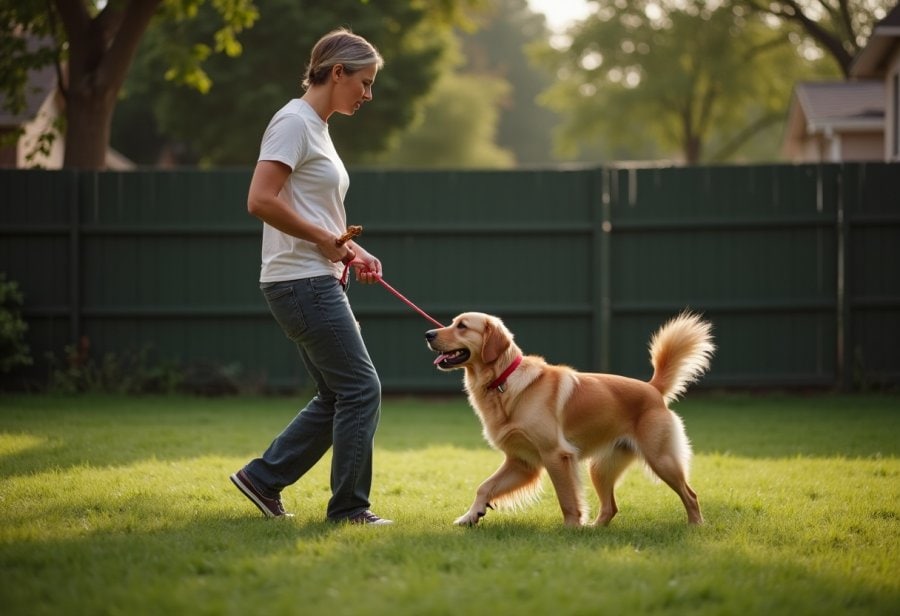
Transform Your Walks: Build Trust and Peace with Calm Dog Strolling
Walking calmly with your dog might seem like a simple daily routine, but it’s actually a powerful way to strengthen your bond. When your dog learns to walk at your side without pulling or tugging, the experience becomes more peaceful and enjoyable for both of you. These calm walks aren’t just about good manners—they’re opportunities to build trust, improve communication, and create a shared sense of security. A dog that stays relaxed during a walk feels more confident and understood, transforming what can be a stressful activity into a moment of connection.
Turning everyday outings into moments of teamwork helps reduce frustration and stress. Instead of battling with pulling or distractions, you and your dog work together smoothly, fostering patience and mutual respect. Over time, these peaceful moments become a routine that deepens your relationship, making walks something both of you look forward to. Beyond emotional benefits, mastering calm leash walking also makes outings safer, especially in busy environments, and helps prevent behavioral issues like lunging or jumping.
Building this calm routine requires patience and consistency, but it’s well worth the effort. It’s about turning a simple walk into a shared experience of trust and understanding. With each peaceful stroll, you reinforce a bond rooted in respect and positive communication. These walks become more than just a way to exercise—they evolve into opportunities for connection, confidence, and joy for both you and your dog.
Uncover the Science: Core Principles of Calm Canine Walking
Calm dog walking is rooted in understanding how dogs think and behave naturally. Dogs are social animals that thrive on routine, clear communication, and positive experiences. When your dog walks calmly at your side, it’s a sign they trust you and feel secure. Building this trust involves gentle guidance, patience, and rewarding good behavior. Dogs respond best when they understand what’s expected of them, especially in a calm environment where cues are consistent and positive reinforcement is used.
Walking peacefully isn’t just about commands—it’s about creating a relaxed atmosphere during your outings. When your dog feels confident that they won’t be pulled or overwhelmed, they become more receptive to learning. This sense of security is developed through gentle, steady guidance and lots of praise when they do the right thing. A calm, focused dog is more likely to stay relaxed, look to you for cues, and enjoy the walk instead of feeling anxious or distracted. Trust is the foundation of this process, making every walk a bonding experience rather than a battle for control.
Modern dog training has shifted from dominance-based methods to approaches that prioritize understanding canine psychology. Harsh corrections and punishment often cause stress and resistance, making training less effective. Today’s techniques emphasize patience, consistency, and positive reinforcement, which help dogs feel safe and motivated to cooperate. Using rewards like treats, praise, and gentle guidance reinforces desired behaviors and builds a cooperative attitude, transforming walks into positive shared experiences.
Positive reinforcement plays a central role in creating calm leash walking. Reward-based methods teach your dog that staying relaxed and focused results in treats and praise. Techniques like gradual desensitization expose your dog to distractions at a manageable level, helping them learn that stimuli such as other animals or loud noises aren’t threats. Recognizing that each dog is unique and adjusting your approach accordingly makes training more effective and enjoyable for both of you.
Understanding canine psychology and applying science-backed techniques lay the groundwork for successful calm leash training. Patience, consistency, and kindness are your best tools. When your dog feels secure and understands what’s expected, walking becomes a peaceful, bonding activity. This foundation of trust and cooperation turns routine walks into opportunities for connection and mutual respect, making every outing a step toward a stronger, calmer relationship.
Deep Dive Into Techniques: Master the Science of Peaceful Leash Training
Calm leash training is grounded in understanding the science behind canine behavior. Dogs are motivated by consistency, positive reinforcement, and clear communication. When teaching a dog to walk peacefully, it’s crucial to recognize that their reactions are shaped by their environment, emotional state, and past experiences. Techniques like rewarding calm behavior immediately reinforce desirable responses, encouraging your dog to repeat them. For example, if your dog walks beside you without pulling, praising or treating them reinforces that relaxed posture pays off.
Gradual desensitization is another scientifically supported method that helps reduce reactivity. By slowly introducing your dog to distractions—such as passing animals or loud noises—in controlled settings, you help them learn these stimuli aren’t threats. Over time, this builds confidence and minimizes reactive responses. Challenges like pulling or overexcitement are common, but they can be addressed with patience and tailored strategies that rewire response patterns.
Pulling is often driven by curiosity or excitement, making it a tough hurdle. Using tools like front-clip harnesses or head collars can improve control and guide your dog gently back to your side. Reinforcing heel commands with treats during distractions like scents or other animals keeps your dog focused and calm. Addressing anxiety and nervousness involves gradually exposing your dog to new environments, pairing outings with positive experiences like treats and praise to help them associate walks with safety.
Modern approaches favor positive reinforcement over correction. Instead of harsh punishments, rewarding calm and focused behavior fosters trust and cooperation. Techniques like clicker training mark moments of attention or relaxation, speeding up learning and making training sessions enjoyable rather than stressful. Recognizing that every dog is unique means adapting your methods to suit their temperament, which makes progress more consistent and rewarding.
Desensitization and counter-conditioning further transform overexcitement or fear into calmness. By pairing stressful stimuli with treats or praise at low intensity, you gradually change your dog’s perception of these triggers. This process helps your dog respond with confidence instead of fear or hyperarousal, making walks more relaxed and enjoyable. With patience and the right techniques, peaceful leash training becomes a rewarding journey of mutual trust and understanding.
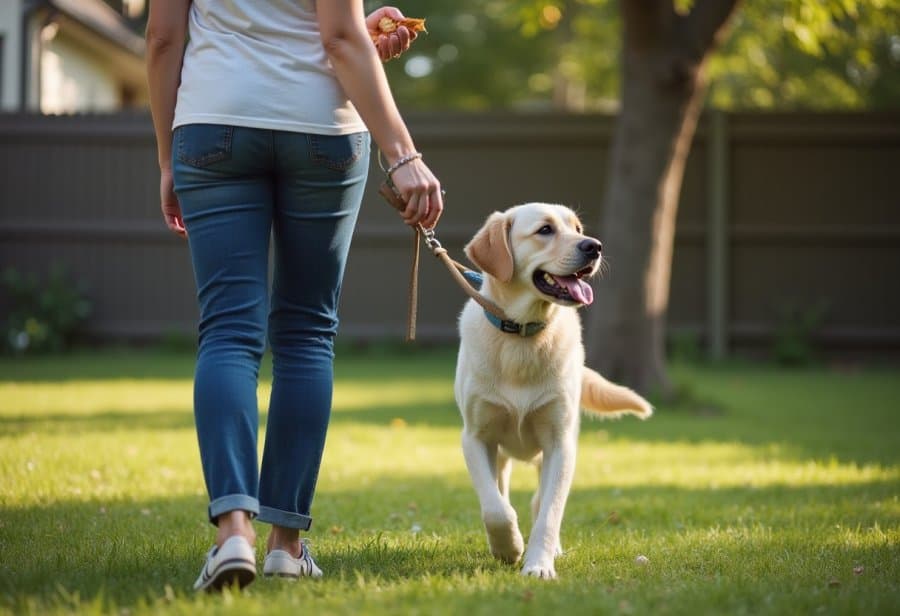
Everyday Success: Step-by-Step Guide to Calm, Confident Dog Walks
Walking calmly with your dog in everyday situations is about establishing consistency and patience. Start in quiet, familiar settings where your dog can focus without many distractions. Use treats and praise liberally whenever they walk at your side without pulling, rewarding good behavior immediately to reinforce positive habits. Keep the leash loose and gently guide your dog back if they surge ahead or fall behind, maintaining a steady, calm presence that encourages focus.
As your dog gains confidence, gradually introduce more distractions—like passing people or other animals—at a controlled pace. Reinforce cues such as the heel command with treats or praise when your dog responds correctly. If they become overwhelmed or distracted, pause and redirect their attention with a treat or a calming word. These small adjustments help your dog understand that staying relaxed and attentive leads to positive outcomes, building their confidence over time.
Outdoor environments often come with more stimuli, so your body language and demeanor matter. Walk with a relaxed posture, and if your dog pulls or gets distracted, stop calmly until they return to your side. This teaches them that staying focused and calm is rewarding, while pulling only delays progress. Short, consistent training sessions reinforce good habits, making relaxed walks a natural part of your routine.
Track your progress by noting how your dog responds in different situations—whether they ignore distractions or stay on cue. Celebrate small successes with treats and praise, and be patient as they learn. If setbacks occur, stay calm and consistent. Remember, every walk is an opportunity to strengthen your bond and reinforce calm leash walking.
Using quality equipment like a comfortable harness or head collar makes a difference. They provide better control and help guide your dog gently without causing discomfort. Proper tools support your training efforts, making sessions more effective and less stressful for both of you.
Integrate these practices into your daily routine, keeping training sessions short but frequent. Consistency and positive reinforcement gradually shape your dog’s behavior, turning walks into peaceful, shared adventures. Over time, your dog will learn to walk calmly, making outings safer, more enjoyable, and a true bonding experience.
Stay aware of your own mood during walks. A relaxed, confident attitude encourages your dog to mirror that calmness. When challenges arise, avoid frustration—use them as learning moments. Gentle redirection and patience will help your dog stay on track and make peaceful leash walking a natural habit.
With time and persistence, these practical steps transform everyday walks from a challenging task into a rewarding experience. They lay the foundation for a lifelong partnership built on trust, respect, and mutual calmness. Every step forward brings you closer to joyful, stress-free outings that strengthen your connection and enrich your shared life.
Invest Smartly: Budgeting for Effective Training and Equipment
Training a dog to walk calmly on a leash involves some financial considerations that are worth planning for. Professional training classes can vary widely in cost, with group sessions typically ranging from $50 to $100 per session. More personalized options, like private lessons, often cost between $100 and $200 or more, but they can offer tailored guidance that accelerates progress, especially if your dog faces specific challenges.
Investing in quality equipment is also key. A well-fitting harness or head collar usually costs between $20 and $50, providing better control and ensuring your dog’s comfort. Durable leashes, treats, and training aids such as clickers or treat pouches add to the initial investment, generally totaling around $20 to $30. These tools help reinforce good behavior and make training sessions more effective and enjoyable.
Ongoing practice means continuously purchasing treats, replacing worn-out gear, or adding new training aids. While these expenses might seem small individually, they support consistency and reinforcement, which are essential for lasting results. Think of this as an investment in creating a well-behaved, relaxed dog that enjoys walks and behaves reliably in various settings.
Budget-conscious dog owners can start with basic tools and a few training sessions, then expand their setup gradually as their dog’s skills improve. Many trainers and stores offer package deals or discounts, making professional help more affordable and accessible. The focus should be on creating a sustainable routine that promotes calm leash walking and deepens your bond.
Though the upfront costs can add up, they pay off in the form of fewer behavioral issues, less stress during walks, and safer outings. Proper investment in training and equipment establishes a foundation for peaceful, joyful walks, turning daily routines into bonding moments that last a lifetime.
Strategic Planning: Your Roadmap to Consistent Calm Leash Walking
Planning your calm leash training starts with setting clear, achievable goals. Decide what you want your dog to accomplish—whether it’s walking without pulling, staying focused amid distractions, or simply enjoying relaxed strolls. Having specific targets keeps you motivated and provides a way to track progress. Establish a consistent routine that fits your schedule, and remember that short, frequent sessions are more effective than lengthy, sporadic ones. This approach helps your dog stay engaged and prevents frustration.
Begin training in a familiar, low-distraction environment where your dog feels safe and confident. Use treats and praise generously to reward calm, focused walking, guiding your dog gently with a loose leash. Consistency is key: stick to the same commands and routines every time, which helps your dog understand what’s expected. Patience is essential—progress may be slow initially, but each session builds a foundation for longer, more relaxed walks.
As your dog becomes comfortable, slowly introduce distractions like passing people or other animals. Increase the difficulty gradually, always reinforcing calm behavior with treats or praise. If your dog pulls or becomes distracted, pause and redirect their attention with a treat or calming command. This teaches them that staying relaxed and attentive results in positive outcomes, encouraging good habits.
Track your progress by noting how your dog responds in different situations. Celebrate small wins—like ignoring distractions or walking steadily—and be patient during setbacks. Adjust your training plan as needed, maintaining a calm attitude. Remember, setbacks are part of learning; stay consistent and positive, and your dog will gradually improve.
Your demeanor matters just as much as your methods. Dogs are highly perceptive of your mood, so staying relaxed and confident encourages them to mirror that calmness. If challenges arise, resist frustration. Instead, gently guide your dog back on track with patience and reassurance. This creates a positive, trust-based learning environment.
Incorporate the right equipment, such as a comfortable harness or head collar, to support your efforts. Proper tools make guiding your dog gentler and more effective, reducing stress for both of you. Use treats and praise consistently to reinforce good behavior, making training sessions feel rewarding rather than frustrating.
By applying these steps with patience and consistency, you turn calm leash training into a shared achievement. Over time, your dog will walk more peacefully, making outings safer, more enjoyable, and strengthening your bond. Every walk becomes an opportunity to connect, trust, and enjoy each other’s company in a relaxed, positive way.
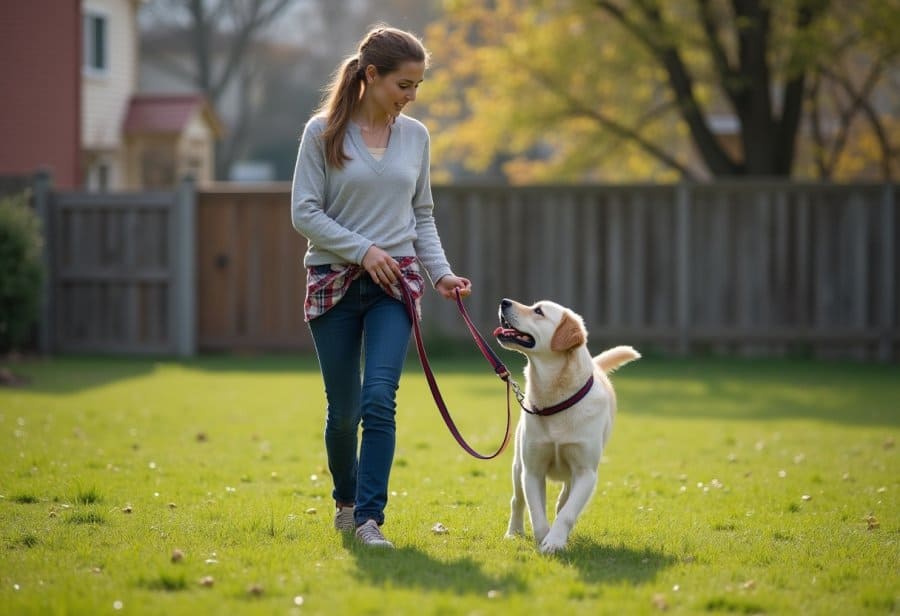
Overcoming Hurdles: Handling Challenges and Risks in Dog Walking
Training a dog to walk calmly at your side doesn’t always go smoothly, and setbacks are a normal part of the process. Distractions like passing cars, other dogs, or enticing smells can quickly pull your dog’s focus away, leading to pulling or lunging. These moments can be frustrating, but they also reveal what triggers your dog’s reactions and how best to respond.
Some dogs become anxious or overwhelmed in busy environments, making it harder for them to stay relaxed and focused. When this happens, slowing down, returning to a quieter setting, and gradually building confidence can help. Patience is key—pushing too hard too fast risks increasing resistance or stress. Instead, gently redirect your dog’s attention, praise calm behavior, and give them time to adjust.
If your dog doesn’t fully understand what’s expected or if they haven’t been reinforced enough for good behavior, setbacks will occur. The trick is to stay consistent—use familiar cues, reward relaxation, and avoid punishment. Redirecting their focus with treats or calming commands reinforces that calmness pays off, building trust and cooperation over time.
Pulling, overexcitement, or fear often stem from overstimulation or inadequate training. Introducing distractions gradually and pairing them with positive rewards helps your dog learn that staying calm is more rewarding than reacting. Rushing this process can backfire, so patience and steady progress are essential.
Remember, setbacks aren’t failures—they’re part of learning. Maintaining a calm, confident attitude reassures your dog and keeps the training positive. With persistence and gentle guidance, those challenges become stepping stones toward peaceful, enjoyable walks and a stronger bond rooted in trust.