Choosing between small family-run garages and large automotive chains can significantly impact your vehicle’s long-term health and your peace of mind. Small shops often excel in personalized service, fostering trust through direct mechanic relationships, affordability, and tailored care—ideal for older or specialty cars. Conversely, large chains provide consistency, advanced diagnostic technology, and nationwide warranties that appeal to drivers who value reliability and convenience, especially with newer vehicles. But which offers the right balance of honesty, skill, and long-term durability? As technology advances, the landscape is shifting toward digital diagnostics, electric vehicle services, and eco-conscious practices. The decision ultimately hinges on your priorities: personalized attention and trust or standardized efficiency and broad coverage. Both approaches have strengths and pitfalls, raising the question—can either truly deliver the long-term care your car needs? The answer depends on understanding what matters most for your vehicle’s future and your peace of mind.

Choosing Your Vehicle’s Care: Small Shops vs. Large Chains
When it comes to vehicle maintenance, the choice of garage can significantly influence your car’s long-term health. Two main options dominate the landscape: small, family-run garages and large automotive chains. Each offers a distinct approach to service, shaped by their size, resources, and business philosophy. Understanding these differences helps you make a more informed decision tailored to your vehicle and your priorities.
Small, independent garages often pride themselves on personal relationships and community trust. These shops rely heavily on reputation and word-of-mouth, which encourages mechanics to provide honest advice and attentive service. Because they’re usually locally owned, they tend to focus on building long-term relationships with customers, remembering their needs and vehicle histories. This familiarity allows for more tailored, sometimes more affordable, solutions—ideal for maintaining older or specialty cars.
In contrast, large chains prioritize consistency and efficiency. Their standardized procedures and widespread presence mean you can expect a certain level of service no matter which location you visit. These garages invest heavily in modern diagnostic equipment and ongoing technician training, ensuring repairs meet a uniform standard across the country. For drivers who travel frequently or move often, this reliability and the backing of nationwide warranties offer peace of mind and convenience that small shops may struggle to match.
The service experience also differs notably between these two types of garages. Small, family-run shops tend to be more flexible, offering quick turnaround times and personalized explanations. Mechanics often work directly with clients, fostering trust and transparency. Large chains, on the other hand, can sometimes feel more transactional, with a focus on quick service and upselling. However, their technological edge often means more accurate diagnostics, especially for newer vehicles with complex electronic systems.
Choosing between a small garage and a large chain ultimately depends on what matters most for your vehicle’s health. If you value a trusted relationship, personalized care, and potentially lower costs, a reputable local shop may be the best fit. If you prioritize convenience, consistency, and the reassurance of a nationwide warranty, a big chain could be the smarter choice. Both have their strengths, making it essential to weigh what aligns best with your car’s needs and your expectations.
Small Family Garages: Personalized Service and Community Trust
Small, family-run garages stand out for their personal touch and strong community ties. These shops often rely on reputation and word-of-mouth, which encourages mechanics to build genuine trust with their customers. When you bring your car in, you’re more likely to interact directly with the mechanic working on it, fostering transparency and honest communication. This close relationship means they often remember your vehicle’s history and specific needs, allowing for more tailored advice and longer-term care.
One of the biggest advantages is their flexibility. Unlike larger chains bound by rigid policies, small garages can quickly adapt to special requests or last-minute repairs. Need a rare part sourced quickly? Want a quick fix without unnecessary upselling? These shops tend to find practical, straightforward solutions without delays. Their smaller size means fewer layers of management, which translates into faster decision-making and more personalized service, often with a friendly, local vibe.
Cost is another area where small garages excel. With lower overhead expenses—fewer staff, less advertising—they often pass savings directly to customers. This makes routine maintenance and repairs more affordable, especially for long-term vehicle owners. Quality work isn’t sacrificed; many small garages employ certified mechanics who have proven skills and industry recognition, ensuring you get reliable repairs at a fair price.
The ongoing relationship you can develop with a trusted small garage offers significant long-term benefits. Mechanics who see your car regularly become familiar with its quirks and history, making it easier to catch early signs of trouble. This proactive approach helps prevent small issues from escalating into costly repairs. Over time, this familiarity translates into better vehicle health, as your mechanic genuinely cares about keeping your car in top shape.
Finally, many small garages are investing in modern diagnostic tools and continuous training, recognizing their importance in servicing today’s vehicles. While they might not have the extensive equipment of big chains, their commitment to quality diagnostics and skilled technicians often results in longer-lasting repairs and more accurate problem-solving. This blend of personalized service, flexibility, affordability, and growing technical capacity makes small, family-run garages a compelling choice for drivers who prioritize trust and long-term vehicle health.
Trusted Automotive Care in Thornhill Ontario by Beck Automotive Services
For comprehensive auto repair and vehicle maintenance in Thornhill Ontario, turn to Beck Automotive Services, a dedicated family-owned automotive shop. Specializing in oil changes, brake repairs, engine diagnostics, transmission services, and tire solutions, Beck Auto ensures your vehicle stays in top condition. Whether you’re seeking routine maintenance or major repairs, their experienced team provides reliable service tailored to your needs. Additionally, Beck Automotive Services offers used car sales, making it a one-stop destination for car owners in Thornhill. Contact them today via email at [email protected] or call (416) 222-6583 to schedule an appointment or inquire about their services.
Large Chains: Consistency, Technology, and Nationwide Support
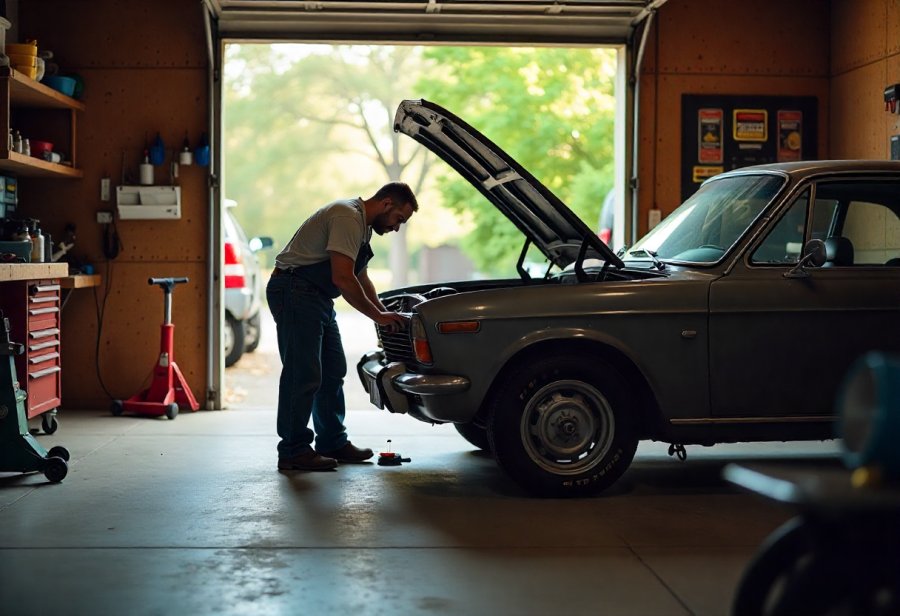
Large automotive service chains offer a level of consistency that many drivers find reassuring. Their standardized procedures mean you can expect similar results whether you visit a local branch or one across the country. This uniformity ensures that your vehicle receives the same quality of care no matter where you are, making long-term maintenance more predictable and less stressful—especially for those who travel frequently or relocate often.
One of the biggest advantages of these chains is the presence of nationwide warranties. Repairs performed at one location are typically guaranteed across the entire network, giving you peace of mind wherever your car takes you. If a problem arises after a repair, you can have it addressed at any branch without hassle, saving time and reducing inconvenience. This broad coverage is a significant perk for drivers who rely on their vehicles daily and need reliable support wherever they go.
Modern diagnostic technology is another key strength of large chains. They invest heavily in advanced tools that can identify complex issues quickly and accurately. For newer vehicles with electronic systems, this means fewer guesswork and more precise repairs. By leveraging cutting-edge equipment, these garages can often diagnose problems early, preventing minor issues from turning into costly breakdowns down the road.
Training plays a crucial role in maintaining service quality at big chains. Technicians regularly undergo manufacturer-approved training to stay current with the latest vehicle models and repair techniques. This focus on continuous education ensures that repairs meet industry standards, reducing errors and supporting your car’s long-term health. Well-trained technicians are better equipped to handle complex repairs efficiently, which translates into longer-lasting results and increased confidence in the service.
Accessibility and convenience are also strong points. Large chains tend to have multiple locations in urban centers, shopping districts, and along major highways. This widespread presence makes scheduling quick and easy, fitting maintenance into even the busiest schedules. Fast turnaround times combined with the reassurance of nearby service centers help minimize downtime and ensure your vehicle remains reliable. Many drivers appreciate the simplicity of knowing that trusted service is just around the corner whenever they need it.
Finally, these chains are increasingly equipped to handle specialized repairs for emerging vehicle technologies like hybrids, electric vehicles, and advanced driver-assistance systems. Their ongoing training and investment in new equipment position them as reliable options for keeping up with technological advancements. While their prices can be higher, many drivers see this as a worthwhile investment in consistent, high-quality service that ensures their vehicle stays current, safe, and dependable over time.
Real-World Experiences: Trust, Technology, and Long-Term Vehicle Health
Many customers find that their experiences with small garages often confirm their reputation for personalized service. When mechanics take the time to explain repairs clearly and remember their clients’ vehicle histories, it builds a trust that can last for years. This familiarity makes routine maintenance smoother and helps catch small issues early, preventing bigger, more costly problems down the line. Drivers tend to feel more confident knowing their mechanic understands their car’s quirks and specific needs.
On the other hand, some small garages lack access to the latest diagnostic tools, which can sometimes mean missed problems—especially with newer, electronically complex vehicles. Customers who rely heavily on advanced diagnostics might find that their trusted neighborhood shop struggles to keep pace with the latest technology. In such cases, the convenience of a familiar mechanic is balanced by the need to seek specialized diagnostics elsewhere for certain issues.
Drivers who frequent large chains often appreciate the consistency they get across different locations. Knowing that every visit adheres to the same standards reduces uncertainty, especially when traveling or moving to a new city. The presence of nationwide warranties further reassures them that repairs will be honored regardless of location, making long-term maintenance less stressful. Many find peace of mind in the predictability and reliability these big brands provide.
However, some people feel that service at large chains can feel more transactional. Upselling and the rotation of mechanics might make the experience seem less personal and more sales-driven. While their advanced diagnostic technology and ongoing technician training often lead to more accurate repairs, the customer experience can suffer if communication isn’t prioritized. Still, quick turnaround times and a well-trained workforce often outweigh these concerns for many drivers.
Long-term vehicle health depends heavily on the honesty and skill of the individual mechanic, regardless of garage size. Customers at small shops frequently report that repairs tend to last longer because mechanics are more invested in doing thorough work and using quality parts. Conversely, those at large chains often praise the speed and precision of tech-driven diagnostics, especially with complex electronics. Both approaches have their merits, but trust in the technician’s expertise remains the key.
In the end, real-world stories highlight how these differences influence vehicle longevity. One driver credits their small garage for keeping an aging car running smoothly through careful diagnostics and personalized advice. Another recounts how a large chain’s warranty coverage saved them from costly repairs on the road. These experiences show that, whether small or big, honest communication and a genuine commitment to quality make the biggest difference in long-term vehicle health.
Future of Garage Services: Technology, Sustainability, and Customer Expectations
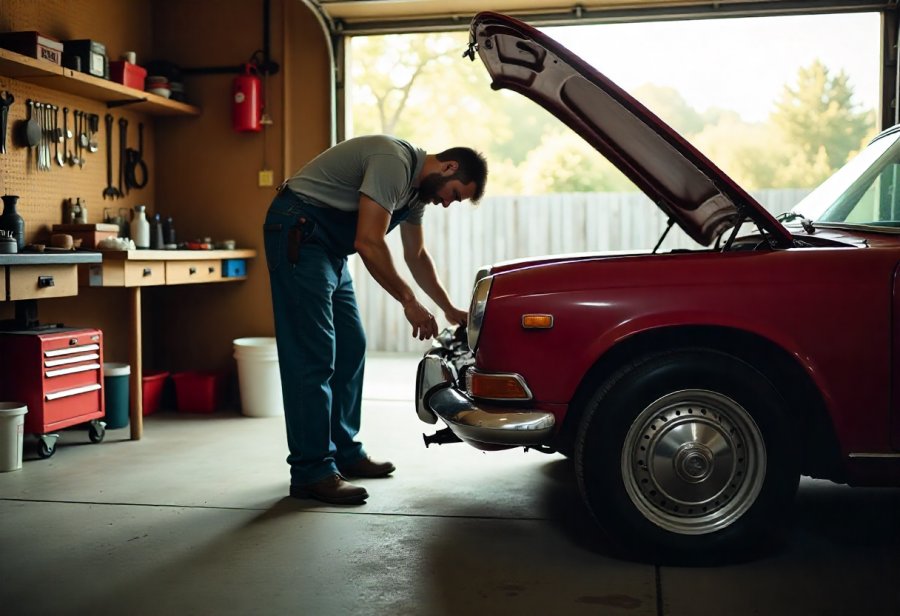
Looking ahead, technological advancements are set to reshape how garages deliver service and how customers engage with them. Modern diagnostic tools, especially those connected to cloud platforms, will enable mechanics to access vehicle data remotely, making problem detection faster and more precise. This shift means repairs can be planned more accurately, reducing guesswork and unnecessary replacements. For drivers, it will also translate into more transparent updates and detailed reports, keeping them informed throughout the repair process and fostering greater trust.
The rise of online booking platforms and digital communication channels is already changing customer expectations. In the near future, drivers will increasingly prefer scheduling appointments, receiving reminders, and tracking repairs via apps or websites. This seamless digital experience will streamline maintenance, minimize wait times, and make long-term planning easier. Garages that adopt these technologies early will stand out, especially among younger, tech-savvy customers who value efficiency and transparency. As convenience becomes a core part of service, digital tools will be essential for building customer loyalty.
Electric vehicles and hybrids are poised to redefine maintenance standards. Both small shops and large chains will need to invest in specialized training and equipment to handle these emerging technologies. Service procedures and diagnostics for electric drivetrains differ significantly from traditional engines, so expertise will be crucial. Garages that adapt swiftly to these changes will attract new customers seeking reliable maintenance for their eco-friendly vehicles, positioning themselves as leaders in the evolving automotive landscape.
Customer preferences are also shifting toward sustainability and openness. Drivers want to know their garages prioritize eco-friendly practices like recycling parts and reducing waste, alongside clear communication about costs. Transparency about repairs and pricing will become even more critical as consumers become more informed and selective. Cultivating a reputation for honesty and environmental responsibility can help garages differentiate themselves and foster long-term trust, which is vital in a competitive market.
As vehicle technology continues to advance rapidly, so will the skills required of technicians. Ongoing training and certification will be essential for both small and large garages to stay relevant. Those that embrace continuous learning and invest in new equipment will be better equipped to service a diverse range of vehicles, from classic models to cutting-edge electric cars. This adaptability ensures they will remain trusted sources for vehicle care, supporting long-term customer relationships and vehicle longevity in a changing world.