Cleopatra VII is often remembered as a glamorous figure of romance and drama, but her true legacy lies in her brilliance as a strategist, scholar, and resilient leader. This portrayal reveals a ruler whose power stemmed from intelligence, multilingual diplomacy, and cultural savvy—traits that enabled her to navigate a turbulent political landscape and maintain Egypt’s independence amid Roman expansion. Her mastery of symbolism, political alliances, and adaptation across diverse cultures underscores a leadership style rooted in insight rather than superficial charm. But does her story challenge our perceptions of strength and influence today? Her ability to turn crises into opportunities, her deep understanding of human nature, and her unwavering resilience demonstrate that lasting power depends on ideas, foresight, and emotional acuity. Cleopatra’s legacy invites us to reconsider what truly defines leadership—questioning whether intellect and resilience can outlast even the most glamorous myths.
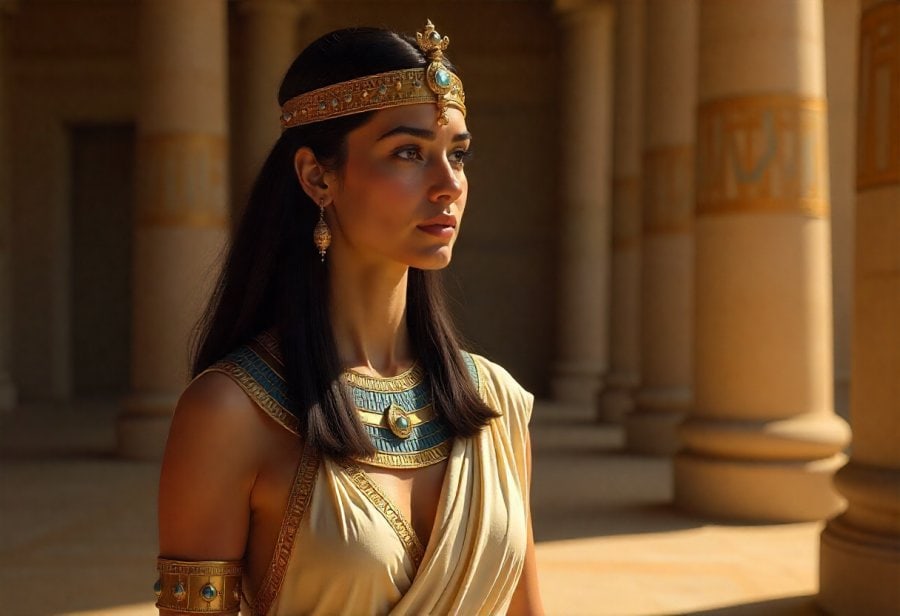
Unveiling Cleopatra’s True Power: Intelligence and Diplomacy
Cleopatra VII is often remembered through images of beauty, romance, and dramatic life stories, but there’s much more to her than what Hollywood has popularized. Beneath the surface, she was a masterful leader whose true strength lay in her intelligence, strategic thinking, and political skill. She inherited a throne in a turbulent era and managed to maintain her independence amid the rising power of Rome, a feat that required sharp wit and keen diplomacy.
Her reputation as a scholar-queen is well-founded. Cleopatra was multilingual, fluent in Egyptian, Greek, Latin, and several other languages. This linguistic ability gave her a significant diplomatic edge, allowing her to communicate directly with foreign leaders and forge alliances that served her kingdom’s interests. She was deeply educated in philosophy, rhetoric, and sciences, fostering a reputation as a learned ruler who valued knowledge and scholarship.
Far from being merely a figure of personal charm, Cleopatra was a shrewd tactician. She understood how to manipulate court politics, play rival factions against each other, and use cultural symbolism to legitimize her authority. Her alliances with Julius Caesar and Mark Antony weren’t just personal relationships—they were strategic moves designed to secure her throne and protect Egypt’s sovereignty. She knew that in a male-dominated world, leadership depended on clever negotiation and long-term planning.
Navigating Egypt’s complex cultural landscape was another mark of her political mastery. Cleopatra balanced the traditions of ancient Egyptian religion and customs with the Hellenistic influences inherited from her Macedonian Greek heritage. Alexandria, her capital, was a hub of learning, trade, and diplomacy—an environment that demanded adaptability and cultural sensitivity. Her ability to thrive in such a vibrant, diverse setting reflected her capacity for nuanced leadership.
Historically, female rulers often faced unique challenges, and Cleopatra was no exception. Yet, she demonstrated that leadership qualities like resilience, diplomacy, and intellectual agility could overcome societal stereotypes and biases. Her strategic use of marriage alliances, her cultural diplomacy, and her ability to adapt to shifting alliances show a leadership style grounded in wisdom and tact rather than brute force.
Her true power was rooted in her mind. Cleopatra understood that influence came from intelligence and resilience, not superficial glamour. Her leadership was characterized by resilience in adversity, a deep understanding of her enemies, and the ability to craft long-term strategies. She was a formidable strategist who navigated a male-dominated world with tact, proving that lasting influence depends on ideas, adaptability, and mental agility.
Mastering Leadership: The Core Concepts of Wisdom and Cultural Finesse
Effective leadership goes beyond simply making decisions; it involves understanding the bigger picture, reading the room, and adapting approaches as circumstances shift. A strong leader combines strategic insight with emotional intelligence, knowing when to assert authority and when to listen or compromise. This balance not only guides others through uncertainty but also builds trust and loyalty over time.
Leadership is rooted in a broader sense of intelligence—one that extends beyond academic knowledge. Cultural awareness, diplomatic finesse, and the ability to anticipate future challenges are equally vital. Cleopatra’s mastery of multiple languages and her deep understanding of Egyptian, Greek, and Roman customs gave her a significant diplomatic advantage. This cultural intelligence allowed her to communicate effectively across different worlds, shaping responses that advanced her goals while maintaining stability.
Managing relationships, alliances, and rivalries with finesse is at the core of political mastery. Cleopatra’s alliances with Julius Caesar and Mark Antony weren’t just personal bonds—they were calculated moves to secure Egypt’s independence and her own power. She used symbolism, religious authority, and marriage as diplomatic tools, transforming cultural and spiritual symbols into sources of influence that extended her reach beyond mere military strength.
Understanding the environment in which a leader operates is crucial. Cleopatra thrived in a vibrant, diverse landscape where tradition and innovation coexisted. Her ability to balance respect for Egyptian customs with Hellenistic influences demonstrated her flexibility. This adaptability in navigating complex cultural landscapes helped her sustain her reign and shape her legacy, showing that leadership rooted in cultural literacy can turn potential threats into opportunities.
Many successful female rulers faced societal biases, yet Cleopatra proved that resilience, diplomacy, and adaptability could overcome these barriers. Her leadership style emphasized long-term vision and cultural intelligence, traits that remain relevant today. She demonstrated that influence depends less on gender and more on strategic thinking, emotional insight, and the capacity to adapt—qualities anyone can develop.
Cleopatra’s mastery in reading human nature and anticipating opponents’ moves set her apart. Her resilience was rooted in a deep understanding of political landscapes and motivation. By responding with calculated precision and adjusting tactics as needed, she maintained power longer than expected. Her ability to turn crises into strategic opportunities highlights the importance of mental flexibility and strategic foresight in effective leadership.
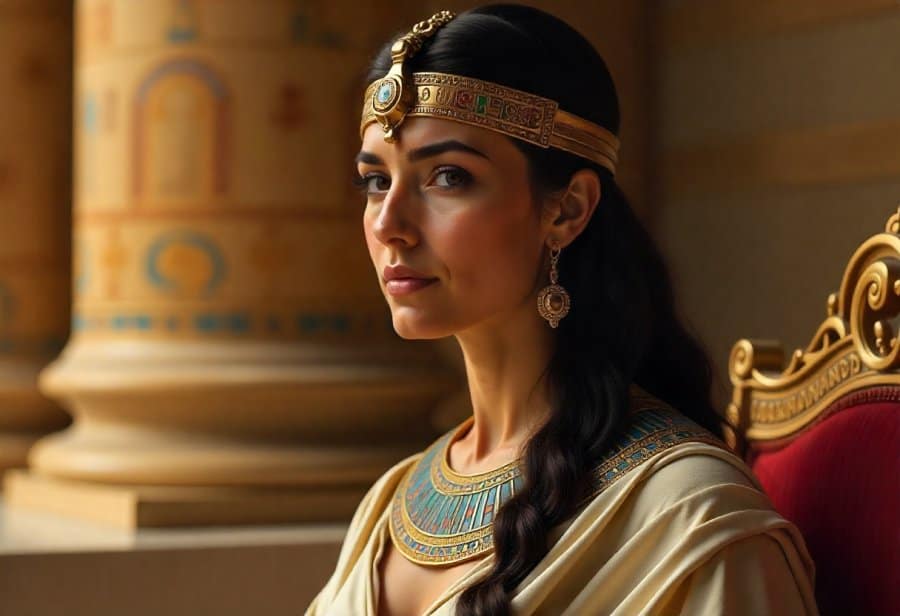
Beyond Beauty: The Strategic Genius of Cleopatra’s Leadership
Cleopatra’s leadership went far beyond her reputation for beauty or charm. Her true strength lay in her sharp mind and strategic acumen, making her a formidable scholar-queen. Her education in philosophy, rhetoric, and sciences gave her a solid foundation to craft sophisticated political strategies. She knew how to leverage her knowledge to influence others and solidify her position, turning intellectual prowess into a key tool of power.
Her skill in navigating complex alliances and court intrigue demonstrated remarkable foresight. Cleopatra understood diplomacy as a powerful weapon and used it with precision, forging alliances with Julius Caesar and Mark Antony that served her long-term goals. These relationships weren’t driven by personal vanity—they were carefully calculated moves designed to protect Egypt’s independence and her reign. Her political cunning showed a mastery of outmaneuvering rivals and turning threats into opportunities.
Cultural and religious symbolism played a vital role in her leadership. Cleopatra used her divine status and religious rituals to legitimize her authority, knowing that spiritual influence could rally support and inspire loyalty. Her adept use of symbols and shared beliefs elevated her position from mere political ruler to a revered figure whose authority was rooted in divine right. This understanding of cultural nuance helped her project strength even amid external threats.
Resilience was another core trait that defined her. Despite external pressures and internal upheavals, Cleopatra remained adaptable, adjusting her tactics as circumstances demanded. Her deep understanding of human nature and the political landscape enabled her to recover from setbacks and turn adversity into new opportunities. This resilience, combined with her strategic flexibility, kept her in power longer than many expected.
Finally, Cleopatra’s linguistic skills and intellectual curiosity set her apart. Fluent in Egyptian, Greek, Latin, and other languages, she could communicate directly with foreign leaders, negotiating from a position of strength. Her support for the Library of Alexandria reflected her commitment to learning and knowledge, reinforcing her image as a ruler driven by wisdom rather than superficial glamour. Her ability to anticipate her opponents’ moves and respond with calculated precision made her a leader whose brilliance still resonates today.
Modern Lessons from a Queen: Applying Cleopatra’s Wisdom Today
Cleopatra’s leadership qualities—her strategic mindset, diplomatic finesse, and resilience—resonate just as powerfully today. Modern leaders can draw inspiration from her ability to navigate complex political landscapes, maintain focus on long-term goals, and cultivate alliances that serve broader interests. Her example underscores that intelligence and emotional insight often outweigh superficial charm or brute strength, emphasizing the importance of understanding people and situations deeply. In today’s interconnected world, these qualities are essential for fostering collaboration, managing conflicts, and driving innovation.
Adopting Cleopatra’s methods involves valuing cultural literacy and negotiation skills. Leaders who develop these abilities can build trust across diverse groups, manage conflicts more effectively, and craft innovative solutions to complex problems. Practicing empathy, strategic planning, and active listening may seem simple, but they significantly enhance organizational resilience. Her legacy reminds us that wisdom combined with adaptability creates leaders capable of guiding others through uncertainty and rapid change.
Her story also encourages a shift toward long-term thinking in decision-making. Instead of reacting impulsively to crises, effective leaders craft plans that withstand setbacks and evolve over time. Resilience, in this context, isn’t just about bouncing back but about learning from challenges and adjusting strategies accordingly. Cleopatra’s ability to recover from threats and turn obstacles into opportunities highlights the importance of mental flexibility and patience—traits that are crucial in both corporate and political spheres today.
Diplomacy played a key role in Cleopatra’s influence. She understood that building trust and shared values through cultural symbols and effective communication could create lasting bonds. In an era of global interconnectedness, these skills are more relevant than ever. Leaders who leverage cultural understanding and foster genuine relationships are better equipped to create sustainable success and influence. Cleopatra’s nuanced use of religious and cultural authority as political tools shows that thoughtful engagement often surpasses force.
Developing these qualities requires continuous learning and self-awareness. Strategic thinking, cultural understanding, and emotional resilience can elevate anyone’s leadership capacity. Her example proves influence isn’t rooted in gender or superficial traits but in ideas, insight, and adaptability—traits accessible to all who seek to make a meaningful impact. As challenges grow more complex, her leadership reminds us that the most enduring power is born from a sharp mind and resilient spirit.
By embodying Cleopatra’s principles, today’s leaders can foster trust, inspire loyalty, and navigate change with confidence. Her legacy demonstrates that true strength lies in intelligence, cultural literacy, and the ability to adapt. Cultivating these qualities can transform leadership from merely managing tasks to inspiring collective progress. In a world that demands agility and depth, Cleopatra’s example offers timeless lessons—showing that strategic insight and resilience remain the foundation of lasting influence.
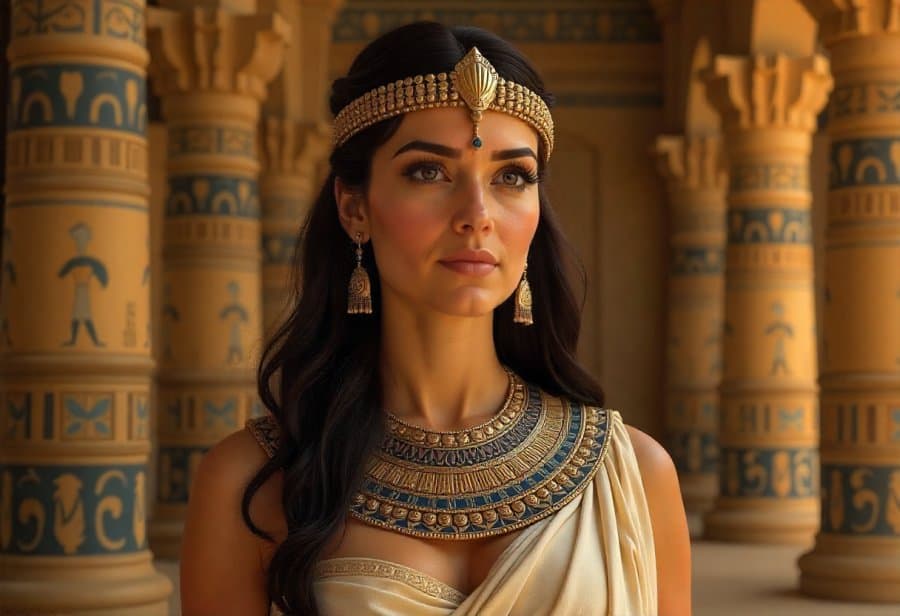
Final Insights: The Lasting Influence of Cleopatra’s Strategy and Resilience
Cleopatra’s true power extended far beyond her reputation for beauty or charm. It resided in her sharp mind, strategic thinking, and resilience—traits that allowed her to shape a lasting influence amid overwhelming odds. Her ability to navigate a turbulent political landscape, forge powerful alliances, and adapt swiftly to changing circumstances demonstrates that leadership rooted in intelligence and flexibility can endure through history. She understood that long-term success depended on cultural nuance, diplomatic skill, and careful planning, not just superficial allure.
Her leadership exemplifies how influence is built on ideas and insight rather than appearances alone. Cleopatra’s mastery in reading human nature, anticipating her enemies’ moves, and responding with calculated precision kept her in power longer than many expected. Her resilience wasn’t just about bouncing back from setbacks; it was about turning crises into opportunities through patience and strategic adaptation. This mental agility became her greatest asset, enabling her to recover from threats and craft solutions that secured her legacy.
The alliances she formed with Julius Caesar and Mark Antony were more than personal relationships—they were carefully calculated moves to protect Egypt’s independence and strengthen her position. Cleopatra used cultural and religious symbols as diplomatic tools, understanding that shared values and trust could create influence that outlasted military might. Her skillful use of symbolism and cross-cultural communication underscores the importance of diplomacy, which remains vital in today’s interconnected world.
Her story reminds us that effective leadership depends on wisdom, emotional insight, and the capacity to adapt. Cleopatra’s example encourages modern leaders to develop these qualities through continuous learning, cultural awareness, and strategic patience. Her resilience in the face of adversity shows that persistence and mental flexibility are often more powerful than force or superficial charm. These lessons are relevant whether you’re leading a nation, an organization, or a team.
In the end, Cleopatra’s legacy proves that true influence comes from ideas, insight, and resilience—traits anyone can cultivate. Her leadership highlights that lasting impact is rooted in intelligence, cultural literacy, and the ability to adapt. Embracing these qualities can transform leadership from mere management to inspiring progress and loyalty. Her story remains a timeless reminder that the most enduring power stems from a sharp mind and resilient spirit, qualities accessible to all who seek to lead with purpose.