Underground street racing is more than just adrenaline-fueled chaos; it’s a vibrant subculture rooted in loyalty, craftsmanship, and rebellion. These clandestine races transform urban streets into battlegrounds where diverse crews form unbreakable bonds through shared risk and respect. As technology advances—embracing digital tools, high-performance modifications, and regional styles—the scene evolves yet fiercely guards its core values: brotherhood and independence. How do these bonds forge identities that transcend mere speed? This culture leaves an indelible mark on cities, shaping local economies, street art, and fashion while challenging societal norms. Despite law enforcement crackdowns and safety concerns, the resilience and adaptability of underground racers ensure the scene’s survival—driven by a collective passion that defies conformity. The unbreakable kinship, forged through shared danger and craftsmanship, makes underground racing a powerful symbol of resistance, community, and the enduring human need for connection and freedom.
Unveiling the Vibrant World of Underground Street Racing and Its Cultural Significance
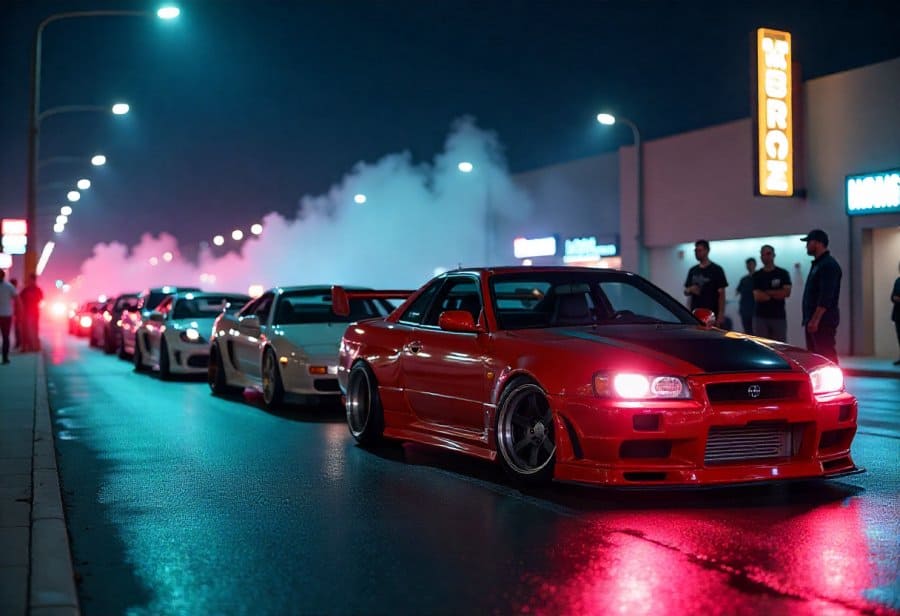
Underground street racing isn’t just about the rush of speed; it’s a vibrant and complex subculture that deeply influences urban communities around the world. For many young enthusiasts, these clandestine races offer more than adrenaline—they provide a sense of belonging and a way to express identity outside the constraints of mainstream society. Typically staged late at night in hidden spots like deserted streets, abandoned lots, or industrial zones, these races create a discreet environment where drivers can push their vehicles—and themselves—without immediate interference.
At the core of this scene is a powerful sense of brotherhood. Racers often form tight-knit crews built on trust, loyalty, and shared passion for cars and speed. Whether repairing each other’s rides, planning secret races, or watching each other’s backs in risky situations, these bonds extend far beyond asphalt. The community’s traditions, rituals, and craftsmanship foster a collective pride, transforming a simple race into a shared experience that lasts a lifetime.
Night racing amplifies this sense of camaraderie, as darkness offers cover from law enforcement and adds an element of danger and excitement. This environment turns familiar streets into clandestine raceways, where loyalty and trust are essential. Drivers depend on each other’s skills, knowing that their shared risks forge unbreakable bonds. Neon lights, roaring engines, and the glow of cityscapes set the scene for these private, rebellious gatherings that feel like family events.
The roots of underground racing stretch back decades, born from urban youth seeking adrenaline outside traditional circuits. Early races were spontaneous, often on quiet streets or empty lots, driven by a desire to rebel and stand out. Over time, crews formed, developing their own symbols, rituals, and codes of loyalty—shaped by influences from movies like “The Fast and the Furious” and street culture. Despite increasing law enforcement crackdowns, the scene continues to evolve, adopting advanced vehicle modifications, digital coordination, and regional stylistic differences, all while maintaining its core values.
This culture also leaves a mark on the urban environment. Car shops, custom parts, and street art flourish in areas with active scenes, adding a distinctive flair to neighborhoods. The visual language—sleek cars, neon lights, graffiti—becomes a form of self-expression and rebellion, shaping the city’s identity. For many participants, underground racing is more than a pastime; it’s a way to challenge societal norms and carve out a space where they belong, bonded by speed, craftsmanship, and a shared sense of defiance.
Tracing the Roots and Growth of the Underground Racing Brotherhood
The roots of underground street racing stretch back decades, emerging from the desire of urban youth to find excitement beyond the confines of traditional motorsports. In those early days, races were spontaneous, often happening on quiet streets, vacant parking lots, or abandoned industrial sites. The thrill came from pushing vehicles to their limits in secrecy, away from the watchful eyes of authorities. These impromptu gatherings quickly gained traction among young drivers craving a sense of identity through speed and skill, turning fleeting moments into underground legends.
As the scene grew, groups or crews formed, transforming casual encounters into organized communities rooted in loyalty and shared passion. These crews weren’t just about racing; they developed rituals, symbols, and codes that set members apart. Influences from movies like “The Fast and the Furious,” along with street fashion and music, fueled their rebellious appeal. Car owners invested heavily in tuning and customizing their rides, turning them into symbols of pride, craftsmanship, and personal expression.
Post-World War II urban environments played a pivotal role in shaping this culture. Young enthusiasts began modifying their cars for better performance, driven by a need to challenge authority and carve out independence. Abandoned streets and empty lots became makeshift racetracks, fostering a community built on shared risk and adrenaline. Hollywood’s portrayal of speed and defiance further elevated street racing into a symbol of rebellion, inspiring a generation to test limits and challenge societal norms.
Over time, technological advancements propelled the scene forward. Racers adopted turbochargers, custom ECU tuning, and aerodynamic modifications to gain an edge. Organized races transitioned from spontaneous street bouts to planned events, often coordinated through underground networks and encrypted messaging. Loyalty and trust remained central, with crews supporting each other through setbacks and celebrating their craftsmanship, cementing bonds that often lasted a lifetime.
Iconic moments, like midnight showdowns and burnout battles, helped define the identity of underground racing brotherhoods. These races weren’t solely about winning but about resilience, respect, and forging unbreakable bonds through shared danger. These milestones became part of the community’s collective history, fueling loyalty despite police crackdowns and legal hurdles. The scene’s resilience comes from its ability to adapt and evolve, blending tradition with modern tech and regional influences.
Today, the underground racing community continues to evolve, integrating digital tools and regional styles while maintaining its core values. Encrypted messaging, remote diagnostics, and high-tech modifications help racers stay ahead of authorities and push performance boundaries. Despite the challenges, loyalty, brotherhood, and a rebellious spirit remain at the heart of this culture, ensuring its survival and ongoing relevance in urban environments worldwide.
Navigating the Modern Terrain of Underground Street Racing Trends and Practices
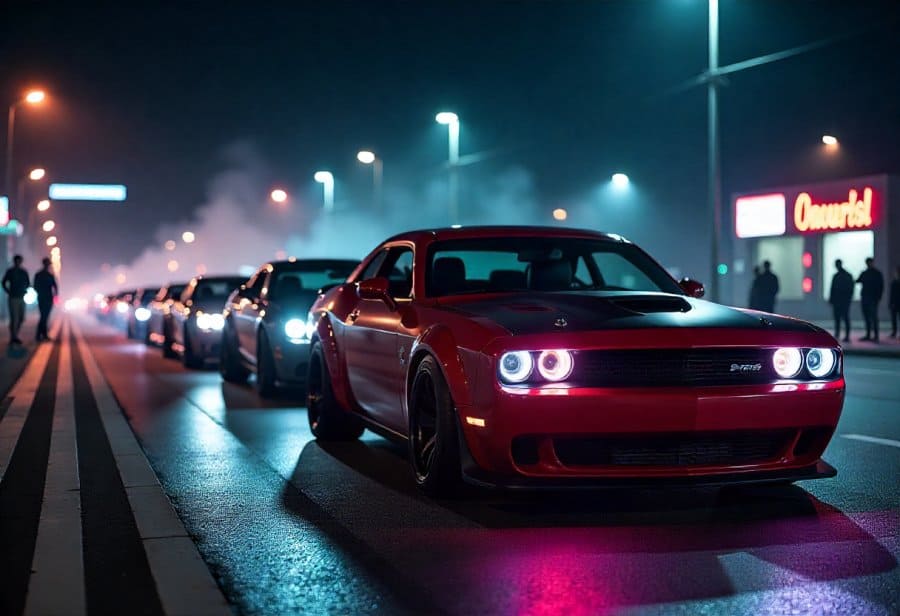
Today, underground street racing has become more sophisticated and diverse, reflecting advancements in technology and regional cultures. Racers now employ high-performance modifications like turbochargers, custom ECU tuning, and aerodynamic kits to maximize their vehicles’ potential. These upgrades aren’t just for show; they’re essential tools that give racers an edge in increasingly competitive underground scenes. Organizing races has shifted from spontaneous street encounters to carefully planned events, often scheduled through encrypted messaging apps and social media platforms. This digital approach allows crews to coordinate secret meetups while staying one step ahead of law enforcement, preserving the adrenaline rush that makes these races so compelling.
Regional styles vary widely, shaped by local culture and vehicle preferences. In Japan, the scene revolves around meticulously tuned tuner cars such as Nissan Skylines and Honda Civics, emphasizing technical skill, craftsmanship, and tradition. Rituals and codes of respect reinforce their identity and pride. Across the Atlantic, American crews favor muscle cars and high-horsepower setups, celebrating raw power with burnouts and street drag races that embody rebellion. Meanwhile, European scenes blend street racing with sleek models, highlighting style, finesse, and precision. Despite these differences, the core values of loyalty and brotherhood unify them, creating a global network of tightly-knit communities with regional flavors.
Law enforcement remains a constant threat, prompting racers to adapt quickly. Many choose less visible locations, plan quick escapes, and use encrypted communication channels to keep their activities discreet. Some regions have even established sanctioned street racing zones or events designed to channel activity safely, but the underground scene persists in the shadows. This ongoing cat-and-mouse game fosters resilience and trust, as crews rely on loyalty to support one another through setbacks and police crackdowns. The scene’s ability to evolve while maintaining secrecy keeps underground racing alive and thriving despite legal pressures.
Races today are more varied, ranging from short, intense drag runs to longer circuits that test both speed and skill. Digital tools enable precise timing and measurement, making even clandestine races more competitive and fair. Vehicles are becoming smarter, with remote diagnostics and digital tuning helping racers optimize performance. This technological integration allows organizers to execute secret events with greater accuracy and safety, ensuring the scene’s vitality. It’s this blend of tradition and innovation that keeps underground racing relevant and exciting in the modern era.
Cultural influences continue to shape the scene, where car modification becomes a form of self-expression. Street art, music, and fashion are intertwined, creating a unique urban identity rooted in rebellion and creativity. Races often double as social gatherings, where crews exchange tips, celebrate victories, or support each other in tough times. These moments reinforce bonds of loyalty and trust, turning individual efforts into collective strength. The visual language of sleek cars, neon lights, and graffiti further cements the scene’s distinct style, inspiring mainstream trends while maintaining its underground edge.
Despite the risks and legal challenges, the spirit of underground street racing endures. Its resilience comes from a deep-rooted sense of brotherhood and shared passion. New technologies, regional influences, and evolving traditions are integrated seamlessly, ensuring the scene remains dynamic and adaptive. Digital platforms and encrypted communications foster trust and secrecy, allowing crews to stay connected and organized. This constant evolution demonstrates that underground racing is not just about speed but about forging unbreakable bonds that withstand societal pressures and legal crackdowns.
Looking ahead, the future of underground street racing will likely involve a careful balance between tradition and innovation. Advances like AI-powered tuning, remote diagnostics, and digital race management could push performance to new heights. Meanwhile, authorities may create more organized, sanctioned events to address safety concerns, providing legal outlets for enthusiasts. Yet, the fundamental core—loyalty, brotherhood, and resilience—will remain unchanged. The scene’s ability to adapt without losing its rebellious spirit shows that underground racing will continue to thrive as a symbol of independence and kinship, driven by the unbreakable bonds of those who live for the thrill of the night.
The Deep Social and Cultural Impact of Street Racing Brotherhoods
Underground street racing and its brotherhood extend far beyond the thrill of competition, shaping social and cultural landscapes in profound ways. For many young people in urban settings, these crews serve as vital support networks, offering a sense of identity and belonging that might be missing elsewhere. The rituals, shared tools, and stories create bonds that feel like family, providing stability and purpose amid challenging environments. This sense of community often becomes a foundation for personal growth, resilience, and trust.
Culturally, street racing influences more than just the roads. Car customization transforms into a powerful form of self-expression, reflecting individual style and creativity. The scene’s music, street art, and fashion are intertwined with this urban identity, shaping a rebellious yet authentic cultural voice. Outside the racing circles, elements like graffiti and streetwear have found their way into mainstream trends, inspiring clothing lines, music genres, and visual art that celebrate non-conformity and personal freedom.
The loyalty and trust built within these brotherhoods often last a lifetime. Members support each other through personal setbacks and societal challenges, turning their shared passion into a resilient emotional bond. Repairing each other’s cars, sharing secret routes, or celebrating victories reinforces a collective strength that extends well beyond the asphalt. These acts of camaraderie forge deep bonds, turning individual efforts into a united front rooted in mutual respect and loyalty.
Underground racing also leaves a tangible mark on local economies and urban aesthetics. Small businesses like custom shops, parts suppliers, and street art galleries thrive in areas where the scene is active. The visual language of sleek cars, neon lights, and graffiti adds a distinctive edge to neighborhoods, transforming them into hubs of creativity and rebellion. This vibrant street culture not only defines the scene’s style but also influences the broader urban environment, giving neighborhoods a sense of identity and pride.
Many participants see their involvement as a form of resistance against societal norms and authority. It’s a statement of independence expressed through craftsmanship, skill, and loyalty. This defiance fosters pride and resilience, with the crew becoming a second family that offers emotional support and a sense of belonging that’s difficult to find elsewhere. The culture embodies the human need for connection, freedom, and the courage to challenge the status quo.
Despite ongoing safety concerns and legal crackdowns, the scene continues to adapt and thrive. Innovation in technology, regional influences, and evolving traditions help keep underground racing relevant. Digital platforms and encrypted communication channels foster trust and secrecy, enabling crews to organize and execute events while staying ahead of law enforcement. This resilience ensures that the brotherhood remains alive and deeply rooted in shared values of loyalty and rebellion.
The enduring strength of underground street racing lies in its ability to evolve without losing its core spirit. Loyalty, brotherhood, and a collective passion for speed and craftsmanship remain at the heart of the scene. These bonds, forged through shared risk and mutual respect, withstand societal pressures and legal challenges. As new generations step into this world, they carry forward the values of resilience and independence, ensuring that underground racing continues as a powerful symbol of resistance, community, and unbreakable kinship.
Reflecting on Loyalty, Resilience, and the Future of Underground Street Racing
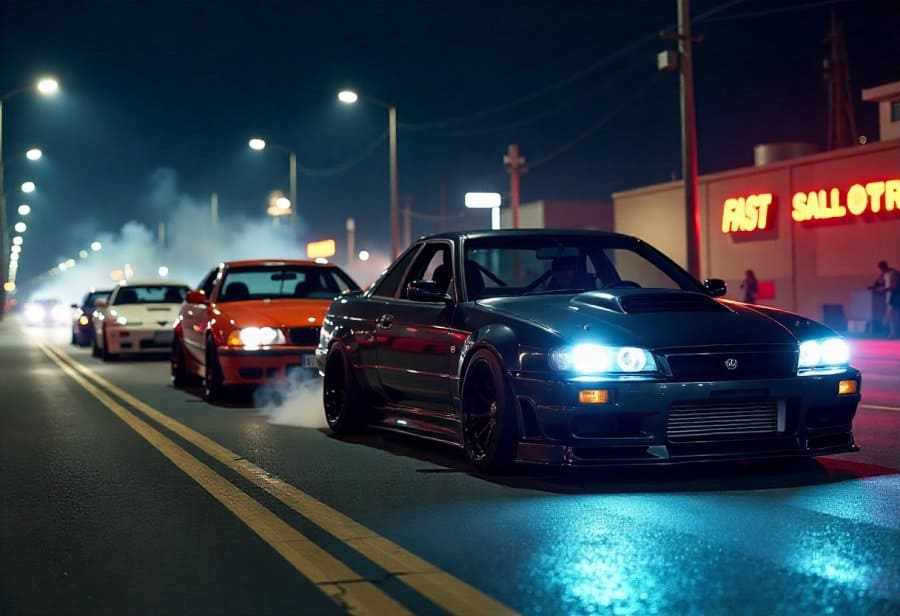
Underground street racing brotherhoods stand as a testament to resilience, loyalty, and the unbreakable human desire for connection. These bonds are more than just shared love for speed—they’re built on trust, respect, and a collective identity that endures despite societal pressures and legal crackdowns. Even as the scene evolves with new technologies and regional influences, its core values remain steadfast, fueling a culture rooted in rebellion and kinship.
The loyalty within these communities isn’t about winning races alone; it’s about standing by each other through setbacks, dangers, and the uncertainties of underground life. This brotherhood creates a social fabric that offers support, purpose, and a sense of belonging that’s hard to find elsewhere. Whether it’s repairing a teammate’s car, sharing secret routes, or celebrating victories, every act reinforces the deep bonds that turn individual efforts into collective strength.
Looking ahead, the scene’s ability to adapt without losing its essence is striking. Innovations like AI-assisted tuning, remote diagnostics, and encrypted communication will push performance and organization to new heights. Meanwhile, some regions may develop sanctioned events or safer outlets that respect the scene’s rebellious spirit, helping it survive in a changing legal landscape. This balance of tradition and innovation ensures underground racing remains vibrant and relevant.
Despite the challenges, the scene’s fundamental spirit persists. Loyalty, brotherhood, and resilience are woven into its fabric, making it more than just a pastime—it’s a symbol of independence and resistance. The bonds forged through shared risk and craftsmanship continue to define this culture, turning fleeting moments of adrenaline into lifelong relationships.
As new generations step into this world, they carry with them the legacy of loyalty and unbreakable kinship. The core values that have sustained underground racing for decades will remain intact, even as vehicles and techniques evolve. This ongoing evolution proves that the scene’s true strength lies in its ability to adapt while holding fast to its roots.
In a world that often seeks to suppress rebellion, underground street racing endures because it embodies a universal need for connection, freedom, and self-expression. Its brotherhood is more than just a group of racers; it’s a community that fights to preserve its identity amidst external pressures. This resilience, rooted in shared passion and trust, ensures that underground racing will continue to thrive as a powerful symbol of independence and unbreakable kinship.