Learning to ride a bike marks a profound milestone of courage, independence, and family bonding. As children wobble, fall, and get back up, they learn that setbacks are part of growth—yet, does the fear of falling outweigh the thrill of freedom? This heartwarming journey reveals how patience, encouragement, and shared moments transform a simple activity into a lasting symbol of resilience and trust. Families celebrate tiny victories amid tumbles, turning each wobble into a lesson in perseverance. The emotional core lies in understanding that bravery isn’t avoiding falls but embracing them as steps toward confidence. With advancements in safety gear and innovative training methods, the challenge becomes less daunting, fostering a lifelong love of exploration. Ultimately, this shared experience teaches children that the greatest rides begin with a single pedal—an act of courage that opens up endless possibilities and lifelong memories.
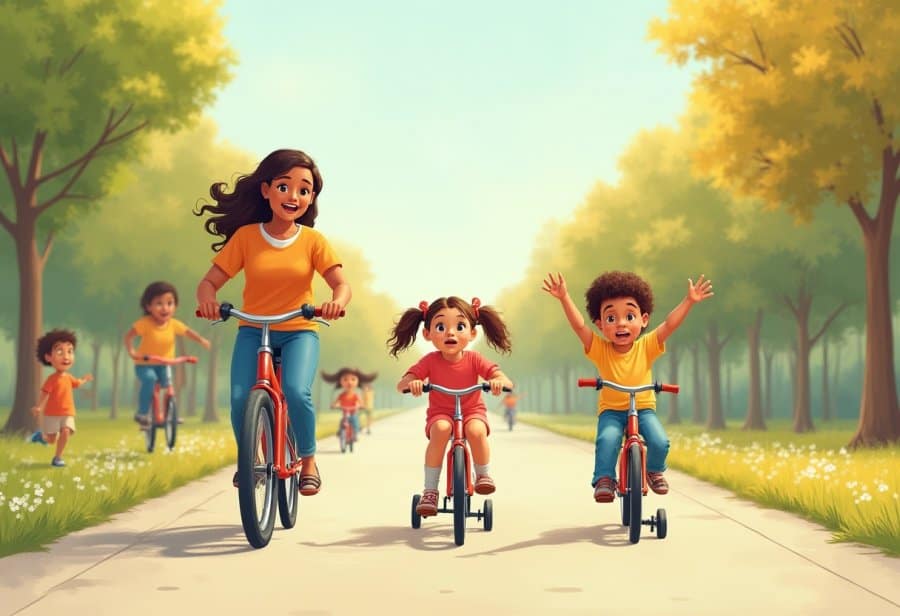
Stepping Into Independence: The Emotional Journey of Learning to Ride
Learning to ride a bike stands out as one of those childhood milestones that leaves a lasting impression. It’s more than just mastering the physical act of pedaling; it’s a moment that symbolizes bravery, independence, and growth. For kids, that first wobbling attempt to stay upright feels like a giant step into the adult world, supported and encouraged by loved ones who cheer them on every small victory. Those early lessons in balance and perseverance become treasured memories, often shared with pride and joy. They mark a transition from dependence to self-reliance, forging emotional bonds that last well beyond the first ride.
For families, teaching a child to ride a bike is about more than just learning a new skill. It becomes a shared experience that deepens connections. Watching a young rider wobble and then find their balance sparks a wave of pride and excitement. Parents recall those nervous, giggly moments when their child first pedals without assistance, feeling both amazed and nostalgic. These stories transform into family lore—testaments to patience, support, and resilience. Each small victory, from fitting training wheels to riding solo, reinforces teamwork and trust, turning a simple activity into a meaningful bonding moment.
Riding a bike also carries a powerful emotional significance. It’s a symbol of courage—an act of trusting oneself despite fears of falling. For children, getting on two wheels involves overcoming natural instincts to avoid pain and injury. The process is often marked by a mix of nervousness and exhilaration, as they learn that falling isn’t the end but part of the journey. Parents’ reactions—whether gentle encouragement or cautious support—shape how children perceive their abilities. When children see their efforts rewarded with progress, they develop confidence and resilience that extend beyond cycling.
The learning process is inherently emotional, filled with moments of wobble, fall, and recovery. Supporting children through these setbacks with patience and positive reinforcement helps them see mistakes as natural steps forward. Celebrating small successes—like balancing without training wheels or riding a few meters on their own—builds a sense of accomplishment. These experiences teach kids that effort and persistence matter more than immediate perfection, fostering a mindset that views challenges as opportunities rather than obstacles.
Family moments during the bike-learning journey are often among the most cherished. Whether in a park or a driveway, these shared experiences turn a physical skill into a bonding ritual. Cheering, laughter after a fall, and high-fives after a successful ride create a supportive atmosphere that encourages kids to keep pushing. These interactions not only accelerate skill development but also strengthen emotional bonds, teaching children that growth involves effort, patience, and love. Such memories become a foundation of trust and resilience that lasts long after the first pedals are pushed.
Ultimately, learning to ride a bike is about more than just pedaling. It’s about building trust—trust in oneself and in those who support us. It’s a journey that combines fear and excitement, setbacks and triumphs. When approached with patience and encouragement, this milestone becomes a shared adventure full of pride, laughter, and love. These early experiences teach children that courage is often about taking small steps forward, supported by those who believe in them. And in doing so, they discover that the greatest rides often begin with the simplest act of pushing off into the unknown.
Conquering Fears: Understanding the Natural Anxiety of Falling
Fears of falling are a natural part of learning to ride a bike, and they can significantly influence how children approach the challenge. For kids, the idea of tumbling triggers feelings of vulnerability and hesitation. This fear often stems from an instinct to avoid pain or injury, especially after a minor tumble or hearing stories from friends. When children first realize how unsteady they are on two wheels, that fear of losing control and falling becomes very real, sometimes causing them to hesitate or even give up before they’ve truly tried.
Parents often share this concern, especially as they watch their children wobble repeatedly. The protective instinct kicks in, leading many to hold on tightly or hover nearby, worried about potential falls and injuries. Ironically, this overprotectiveness can reinforce the child’s fears, creating a cycle where confidence struggles to develop. Striking the right balance between safety and independence becomes crucial, as too much support can make children doubt their ability to ride safely on their own.
Children’s perception of their own vulnerability amplifies the fear of falling. Limited coordination and developing motor skills mean that even small wobbles can feel overwhelming. Past tumbles, whether minor or memorable, can deepen this fear, creating mental blocks that slow progress. Parental reactions also play a role—encouragement can boost confidence, while overly cautious responses might reinforce doubts. Reassuring children that falls are a normal part of learning helps them see setbacks not as failures but as steps forward.
Understanding where this fear comes from is key to managing it effectively. Kids need reassurance that falling is inevitable at some point and doesn’t mean they’ve failed. Supporting them with small, safe steps—like practicing in quiet parks or in a driveway—helps build confidence gradually. When children see that falls aren’t catastrophic and that they can get up and try again, their fear begins to diminish. This process fosters resilience and shows them that setbacks are part of the learning journey.
Patience and gentle encouragement are essential. Allowing children to take tiny risks, like balancing without training wheels or riding on gentle slopes, lets them experience success and regain control. Positive reinforcement, such as praise after a wobble or fall, helps them view mistakes as natural and manageable. When children understand that falling isn’t the end but part of learning, they become more willing to push past their discomfort and embrace the challenge.
Creating a safe, supportive environment helps children confront and overcome their fears. Instead of viewing falls as failures, families can see them as opportunities for growth. When kids know they’re supported, they develop a healthier attitude toward risks, both on the bike and in life. This shift transforms the fear of falling from a barrier into a catalyst for resilience, setting the stage for future adventures and independence.
These early lessons in managing the fear of falling shape a child’s approach to challenges beyond cycling. They learn that setbacks are normal and that perseverance leads to success. With patience and encouragement, families help turn wobbling and tumbling into stepping stones toward confidence and self-reliance. In this way, the fear of falling becomes not just a hurdle but an integral part of building resilience, trust, and a lifelong love of trying new things.
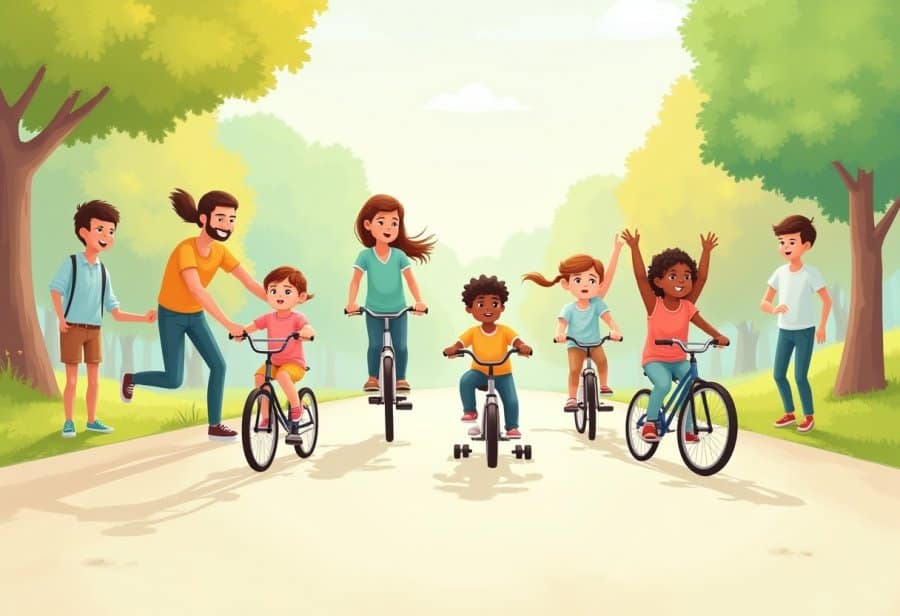
Guided Progress: Effective Techniques for Teaching Kids to Ride
Teaching a child to ride a bike involves a combination of patience, encouragement, and choosing the right techniques. Many families start with training wheels, which offer a stable platform for kids to get comfortable pedaling and balancing without the fear of falling. This initial step helps children build confidence by allowing them to focus on coordinating their movements and feeling in control of the bike. Once they’re steady on training wheels, parents often encourage removing them gradually, giving kids the chance to experience balancing on two wheels while still feeling supported.
Practicing in open, safe spaces like parks or driveways makes a big difference. Gentle slopes or wide, flat areas give children room to coast and experiment with steering. During these sessions, a supportive guiding hand—either holding the bike lightly or walking alongside—helps kids feel secure enough to lean into turns and practice balancing. Celebrating small successes, like pedaling a few meters alone, boosts motivation and teaches them that progress is more about effort than perfection. Repetition and consistency reinforce their coordination, helping them recover from wobbling or minor falls with confidence.
As confidence grows, many parents introduce techniques like walking alongside the bike while children pedal, emphasizing balance and steering. Removing training wheels gradually, in small steps, allows kids to adapt at their own pace. Each successful attempt, no matter how brief, strengthens their trust in their abilities and encourages them to keep trying. Praising effort over outcome helps children see setbacks as natural parts of learning, fostering resilience and a positive attitude. Over time, they start to recover from wobbles independently, which further builds their confidence.
Research supports a patient, step-by-step approach. Kids who transition gradually from training wheels to riding solo tend to develop better balance and enthusiasm faster. When effort is acknowledged more than perfection, the process becomes enjoyable rather than stressful. Kids learn that wobbling or falling isn’t a failure but an essential part of mastering the skill. This mindset makes them more willing to push past discomfort, turning each stumble into a stepping stone toward independence.
Supporting children through this journey with patience and positive reinforcement creates a joyful, encouraging environment. Each fall, wobble, and recovery offers a chance to learn resilience and perseverance. When children see that their efforts are appreciated and that setbacks are temporary, they develop a healthier relationship with challenges. These techniques not only help them learn to ride but also teach valuable lessons in patience, persistence, and self-trust—skills that will serve them well far beyond their first bike ride.
Shared Triumphs: Family Moments That Turn Learning into Love
Family bonding moments during the process of learning to ride a bike are some of the most memorable and heartfelt experiences a family can share. Watching a child wobble on two wheels, then gradually gain confidence, creates a wave of pride and connection that extends far beyond the act of riding. Parents often find themselves cheering from the sidelines, their voices filled with encouragement and joy as their little ones take those first independent pedals. Each small victory—whether balancing without training wheels or riding a few meters solo—becomes a milestone celebrated together, transforming a simple activity into a cherished family story.
Every fall or wobble is met with gentle reassurance and a supportive hand, turning potential discouragement into an opportunity to learn. When a child finally manages to balance or ride confidently, it sparks a shared happiness that deepens the bond between parent and child. These moments teach kids that effort and persistence pay off, and that setbacks are just part of the journey, not the end. The laughter after a tumble or the high-fives after a successful ride become symbols of resilience and teamwork, making the entire learning process feel like a collective adventure.
Families often gather in parks or driveways, creating lively scenes filled with support and camaraderie. The presence of loved ones provides a sense of safety that encourages children to push past their fears. Whether it’s a parent holding the bike steady or siblings cheering from nearby, these shared efforts foster a feeling of unity. Children see that their progress is appreciated as a team effort, reinforcing that learning to ride is more than just a skill—it’s a story of love, patience, and shared growth.
Celebrating each tiny milestone reinforces the idea that progress is about effort, not perfection. Words of praise and genuine enthusiasm help turn each wobble or fall into a stepping stone for confidence. When kids realize that mistakes are normal and part of learning, they become more willing to try again, developing resilience and a positive outlook. These moments of collective pride and encouragement build their trust in themselves and in those supporting them, laying a foundation for future challenges.
The emotional impact of these shared experiences extends well beyond the physical act of riding. Children learn that trying, falling, and getting up again are natural parts of growth. Seeing their parents proud and supportive fosters a sense of trust and self-belief that lasts long after they master the bike. These bonding moments teach that patience and love turn setbacks into opportunities, shaping a resilient mindset that will support them through many more adventures.
As children grow more confident and independent on their bikes, these family moments become treasured memories. Each successful ride becomes a symbol of trust, courage, and perseverance shared across generations. These stories become part of family lore, reminding everyone that the journey of learning to ride is as much about connection as it is about skill. In the end, those wobbling starts and triumphant finishes form a lasting bond—proof that the simplest acts of support and encouragement can create a lifetime of joy and resilience.
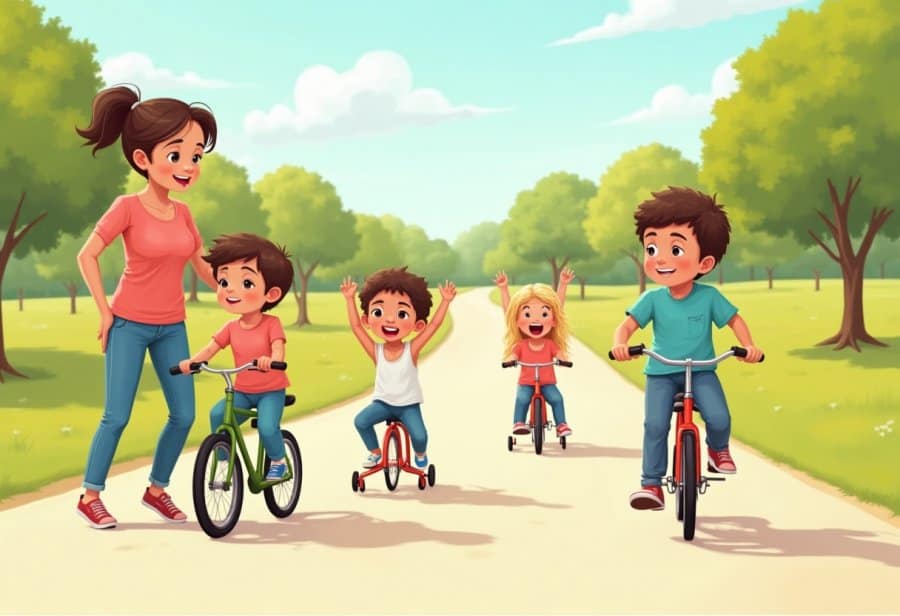
Beyond the First Ride: Embracing Growth, Innovation, and Future Adventures
Learning to ride a bike is a milestone that balances the thrill of independence with the natural fears of falling. Kids often feel hesitant at first, overwhelmed by the idea of tumbling and hurt feelings. Yet, each wobble and stumble is a vital step in building resilience, trust, and confidence. When supported with patience and encouragement, they learn that falls are simply part of the journey—moments from which they bounce back stronger and more determined. This process teaches children that bravery isn’t about never falling but about getting up each time with a smile and a willingness to try again.
As children push past their initial fears, they discover the joy of mastering a new skill and experiencing freedom on two wheels. Their confidence grows with every successful ride, transforming nervous wobbling into steady pedaling. For parents and caregivers, witnessing this evolution is a powerful reminder of how patience and positive reinforcement turn a daunting challenge into a shared victory. These moments forge emotional bonds rooted in support, perseverance, and celebration of effort over perfection.
Looking ahead, innovations in safety gear—like lightweight helmets with advanced impact protection and smart padding—are making falls less frightening and injuries less severe. Meanwhile, new training tools such as virtual reality and augmented reality apps are engaging kids in balance and coordination exercises before they even get on a bike. These tech-driven approaches help reduce anxiety, making learning to ride feel more like play than a risky endeavor. As safety and engagement improve, children are more likely to approach cycling with curiosity and confidence.
Beyond technology, the focus on nurturing emotional resilience continues to grow. Encouraging a growth mindset—where setbacks are viewed as natural steps—helps kids embrace challenges rather than fear them. Families are increasingly creating environments where falls are seen as part of the learning process, reinforcing that effort and persistence matter most. This mindset not only accelerates their progress but also instills a lifelong love of exploration and adventure, both on and off the bike.
Future trends in childhood mobility aim to make cycling more inclusive and accessible. Lightweight, eco-friendly bikes and adaptive equipment will open doors for children of all abilities to enjoy the freedom of riding. Urban planning that prioritizes bike-friendly spaces will encourage families to explore together, turning everyday outings into opportunities for growth and connection. These developments will help transform the fear of falling into a natural part of learning, fostering a new generation of confident, resilient riders.
In the end, learning to ride a bike becomes more than just mastering a skill; it’s an ongoing journey of trust, courage, and discovery. The process teaches children that setbacks are not failures but stepping stones toward independence. When supported by love and patience, they learn that the greatest adventures often start with a single pedal stroke—an act of bravery that opens up a world of possibilities. As technology and societal attitudes evolve, so will the ways we guide children through their first rides, ensuring that every fall is just another step toward a lifetime of confidence and joy.