Imagine turning urban flooding into a thing of the past—sounds ambitious, yet permeable pavers are making it possible. These innovative surfaces allow rainwater to seep naturally into the soil, reducing runoff and easing pressure on overwhelmed stormwater systems. But are they just functional, or do they also beautify our cities? The answer lies in their versatility: beyond flood mitigation, they support groundwater recharge, filter pollutants, and transform dull streetscapes into vibrant community spaces. As climate change intensifies storm patterns, could adopting permeable paving become the key to building resilient, eco-friendly cities? Their ability to combine practicality with aesthetic appeal offers a compelling solution that tackles urban water challenges head-on. Properly installed and maintained, these surfaces promise a sustainable future—raising an important question: Are we ready to embrace this green infrastructure for healthier, safer urban living?
Navigation
Harnessing Permeable Pavers to Combat Urban Flooding
Flooding has become a pressing issue in many urban areas, especially as intense storms and expanding cities overwhelm existing drainage systems. Traditional surfaces like concrete and asphalt are largely impermeable, causing rainwater to run off quickly rather than soak into the ground. This rapid runoff often results in street pooling and flooding, disrupting daily life and damaging property. As cities search for smarter ways to manage stormwater, permeable pavers emerge as a practical and effective solution.
These specially designed surfaces allow rainwater to pass through and infiltrate the soil beneath, mimicking natural water absorption. By doing so, permeable pavers significantly reduce surface runoff during storms, easing the burden on stormwater infrastructure and helping to prevent urban flooding. This process not only keeps streets clearer but also supports groundwater recharge, which is vital for maintaining water supplies and ecosystem health over the long term.
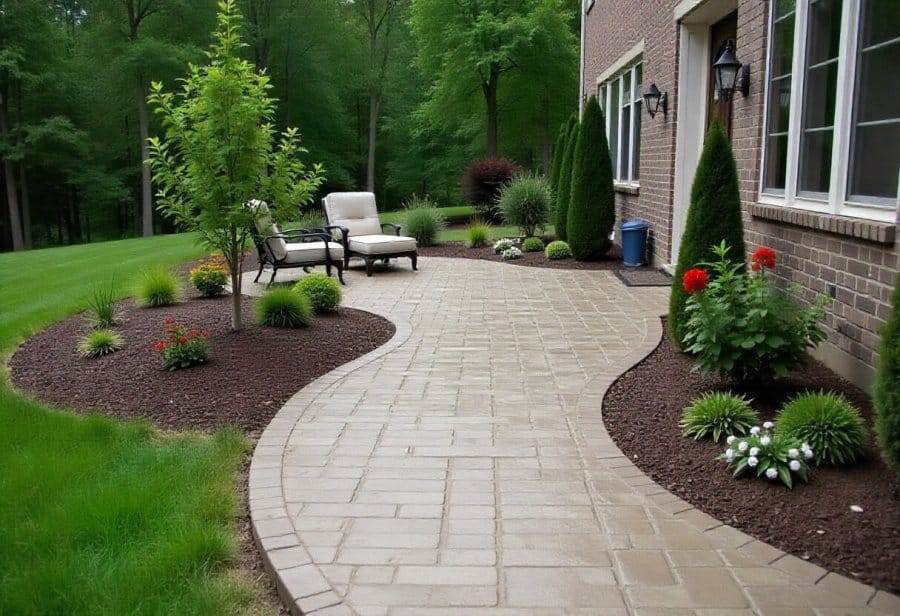
Permeable pavers don’t just act as a flood barrier—they also filter pollutants from stormwater. As water seeps through gaps or porous materials, sediments, oils, and heavy metals are naturally removed, resulting in cleaner water entering rivers and lakes. This filtration process reduces water pollution and helps cities protect their natural waterways. Additionally, these surfaces can be made in lighter colors or attractive patterns, transforming dull, gray spaces into vibrant, welcoming areas.
In the face of climate change and urban sprawl, the importance of flood-resilient infrastructure grows. Installing permeable pavers in parking lots, sidewalks, and public plazas offers a proactive approach to handling increasing rainfall and preventing water from overwhelming city systems. This sustainable strategy aligns with broader urban planning efforts to create more resilient, adaptable communities capable of withstanding changing weather patterns.
As awareness of sustainable water management spreads, permeable paving is gaining momentum. Allowing rainwater to naturally seep into the soil, these surfaces provide an immediate and practical solution to urban flooding. They help turn a common challenge into an opportunity for healthier, more sustainable cities that are better equipped to face the impacts of climate change.
Foundations of Permeable Paving: Environmentally Friendly Water Management
Permeable paving offers an innovative way to manage urban water runoff more sustainably. Unlike traditional surfaces like concrete or asphalt, which are impermeable and cause rainwater to quickly run off, permeable pavers are designed with gaps, porous materials, or specially engineered surfaces that allow water to pass through and infiltrate the ground below. This setup closely mimics natural water absorption, helping to keep water where it belongs—soaking into the soil rather than overwhelming streets and storm drains.
One of the key benefits of permeable paving is its ability to reduce runoff during heavy rains. When rain hits conventional surfaces, it rapidly pools and can flood streets, sidewalks, and parking areas. Permeable pavers, however, act like sponges, slowing water flow and allowing it to seep into the ground. This not only prevents street flooding but also alleviates pressure on stormwater systems, reducing the risk of backups and overflow during storms.
In addition to flood mitigation, permeable pavers play a vital role in supporting groundwater recharge. As water filters through the porous materials, it replenishes underground aquifers, which are essential sources of drinking water and ecological health. This natural recharge process is especially important in urban areas where natural land has been replaced with impervious surfaces, blocking water from naturally seeping into the ground.
Beyond their functional advantages, permeable pavers contribute to water quality improvement through natural filtration. As stormwater passes through the gaps or porous layers, sediments, oils, and heavy metals are filtered out, resulting in cleaner water entering lakes, rivers, and groundwater sources. This process helps cities reduce pollution and protect local ecosystems, making urban water management more environmentally friendly.
The materials used for permeable paving—such as porous concrete, permeable asphalt, or interlocking pavers with open joints—are engineered for durability and permeability. Proper installation, including a gravel base and geotextile fabric, ensures maximum infiltration and prevents clogging over time. When maintained correctly, these surfaces withstand traffic loads and environmental stresses, offering a reliable, long-term solution.
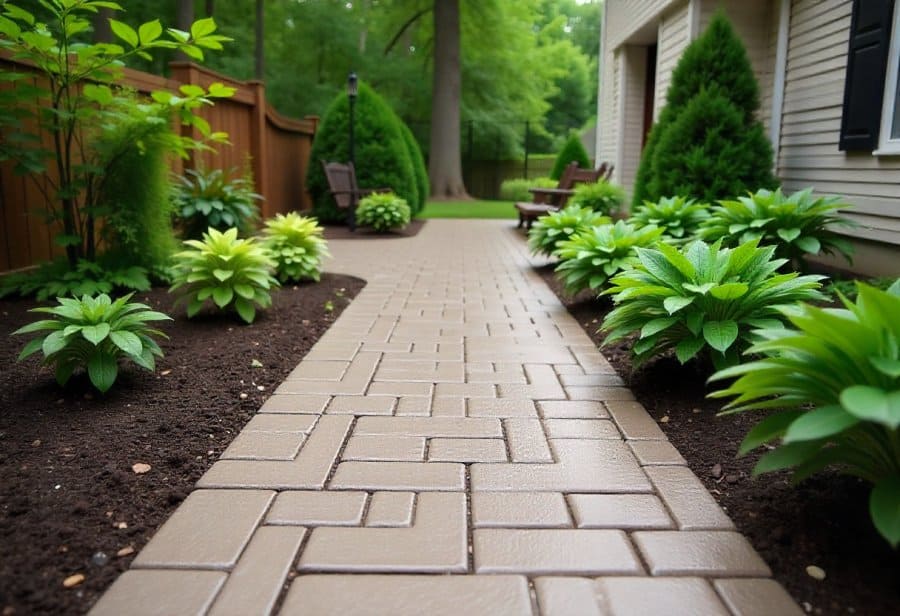
Aesthetically, permeable pavers also open up creative possibilities. Available in various colors, shapes, and patterns, they can transform dull, gray areas into vibrant, inviting spaces. This visual appeal encourages community use and enhances neighborhood aesthetics, making sustainable infrastructure both practical and attractive.
Incorporating permeable paving into urban design isn’t just about flood prevention; it’s about creating resilient, healthier cities. By mimicking natural water processes and supporting groundwater recharge, these surfaces help cities adapt to climate change and urban growth. They turn stormwater challenges into opportunities for ecological and community benefits, fostering urban environments that are both functional and beautiful.
Unlocking the Multiple Benefits of Permeable Pavers for Sustainable Cities
Permeable pavers offer a straightforward yet powerful way to address urban flooding issues. Unlike traditional concrete or asphalt, which act as impermeable surfaces funneling rainwater away rapidly, permeable pavers are designed with gaps, porous materials, or textured surfaces that allow water to seep through and infiltrate the ground beneath. This process mimics natural water absorption, helping to slow runoff and prevent water from pooling on streets, sidewalks, and parking lots during heavy rains. By managing rain at its source, permeable pavers reduce the likelihood of overwhelming stormwater systems, keeping urban areas safer and more functional.
One of their key benefits is promoting groundwater recharge. As rainwater filters through the porous layers of these surfaces, it replenishes underground aquifers, which are crucial for maintaining water supplies and supporting ecosystems. In cities where natural land has been replaced with impervious surfaces, this natural recharge process becomes even more vital, helping to restore the water cycle and reduce reliance on external water sources. This natural filtration not only supports sustainability but also enhances the overall health of urban water systems.
Beyond flood mitigation and groundwater recharge, permeable pavers improve water quality by acting as natural filters. As stormwater percolates through the gaps, sediments, oils, and heavy metals are captured and removed, resulting in cleaner water entering local waterways. This process reduces urban water pollution, protecting ecosystems and lowering treatment costs for municipalities. The ability to filter pollutants naturally makes permeable paving a cost-effective and environmentally friendly solution for cities aiming to improve water management.
The aesthetic potential of permeable pavers adds another layer of value. Available in a variety of colors, shapes, and patterns, they transform dull, gray spaces into vibrant, inviting areas. Parks, plazas, and commercial zones that incorporate these surfaces not only become more attractive but also foster community pride and engagement. This combination of ecological function and visual appeal encourages wider adoption of sustainable urban infrastructure, making neighborhoods more lively and environmentally conscious.
In summary, permeable pavers deliver multiple benefits that extend beyond simple flood control. They actively reduce runoff, support groundwater recharge, and improve water quality—all while enhancing urban aesthetics. By integrating these surfaces into city planning, communities can build more resilient, sustainable environments capable of withstanding the increasing challenges of climate change and urban growth. Their versatility and effectiveness make permeable pavers a cornerstone of modern, eco-friendly urban design.
Incorporating permeable pavers into urban infrastructure not only addresses immediate water management concerns but also contributes to long-term environmental health. Their ability to promote groundwater recharge and water filtration makes them an essential component of sustainable city planning, helping cities adapt to climate change and increasing rainfall variability. When considering the benefits, it’s clear that permeable pavers effectively mitigate urban flooding risks and support resilient urban ecosystems.
Integrating Permeable Pavers into Urban Design for Maximum Flood Resilience
Integrating permeable pavers into urban environments offers a practical and effective way to enhance flood mitigation efforts. These surfaces are versatile enough to be used in parking lots, driveways, sidewalks, and public plazas, replacing traditional impermeable materials like concrete and asphalt. Their ability to allow rainwater to pass through and infiltrate the ground helps manage stormwater directly at its source, significantly reducing runoff during heavy rains and preventing water from pooling on streets and pavements.
Designing streets and public spaces with permeable pavers requires strategic planning to target high-risk areas where water tends to accumulate or cause damage. Installing these surfaces in such zones enables rainwater to naturally seep into the soil, easing the burden on stormwater infrastructure. When combined with other green infrastructure elements like rain gardens and vegetated buffers, permeable paving becomes part of a comprehensive approach to controlling urban runoff more sustainably.
Proper installation is key to ensuring these surfaces perform effectively over time. A well-constructed permeable paving system typically involves layering a gravel base and a geotextile fabric beneath the pavers to facilitate infiltration and prevent clogging. Regular maintenance—such as removing debris and sediments—keeps the pores open and functional. When installed correctly, permeable pavers withstand heavy traffic and environmental stresses, offering a durable, long-lasting solution for flood control.
Beyond their functional role, permeable pavers also add aesthetic value to urban spaces. Available in various colors, shapes, and patterns, they can transform dull, gray zones into vibrant, inviting areas. Incorporating these surfaces into parks, plazas, and streetscapes encourages community engagement and fosters a sense of environmental stewardship. Their visual appeal supports efforts to develop neighborhoods that are both resilient and attractive, making sustainable infrastructure a seamless part of everyday life.
Retrofitting existing infrastructure with permeable paving is an achievable way to improve flood resilience without extensive reconstruction. Replacing sections of parking lots or sidewalks with permeable materials can be straightforward, especially when ground conditions support infiltration. For new developments, prioritizing permeable surfaces from the outset ensures the integration of flood mitigation strategies into overall urban planning, providing long-term benefits for communities and the environment alike.
Transform Your Toronto Outdoor Space with Expert Landscaping Solutions
Discover the difference Toronto Landscape & Design makes in creating stunning outdoor environments. Our award-winning designers take everything into consideration to craft a beautiful retreat tailored to your needs. Whether you’re interested in installing natural stone features, water gardens, or advanced irrigation systems, our team specializes in delivering exceptional results. We also provide expert solutions to reduce backyard flooding and build durable retaining walls that enhance both functionality and aesthetics. Serving Toronto residents, Toronto Landscape & Design is dedicated to transforming your yard into a peaceful oasis. Contact us at https://TorontoLandscapeDesign.com or call 1.416.644.0499 to start your landscaping journey today.
Embracing the Future of Urban Water Management with Permeable Pavers
Permeable pavers have proven to be a highly effective and sustainable solution for urban flood management. By enabling rainwater to naturally seep into the soil, they significantly reduce runoff and ease the pressure on aging stormwater systems. This not only helps prevent street flooding during heavy rains but also supports groundwater recharge, which is essential for maintaining healthy water cycles in cities. Their ability to manage water efficiently makes permeable pavers a vital component in building more resilient, adaptable urban environments.
As climate change brings more intense and unpredictable storms, the need for innovative infrastructure becomes more urgent. Permeable pavers offer a practical way to enhance urban resilience without the high costs of extensive drainage system upgrades. They replicate natural water absorption processes, transforming stormwater challenges into opportunities for ecological and community benefits. When integrated into parking lots, sidewalks, and public spaces, these surfaces help cities stay ahead of increasing rainfall and flooding risks, making urban areas safer and more livable.
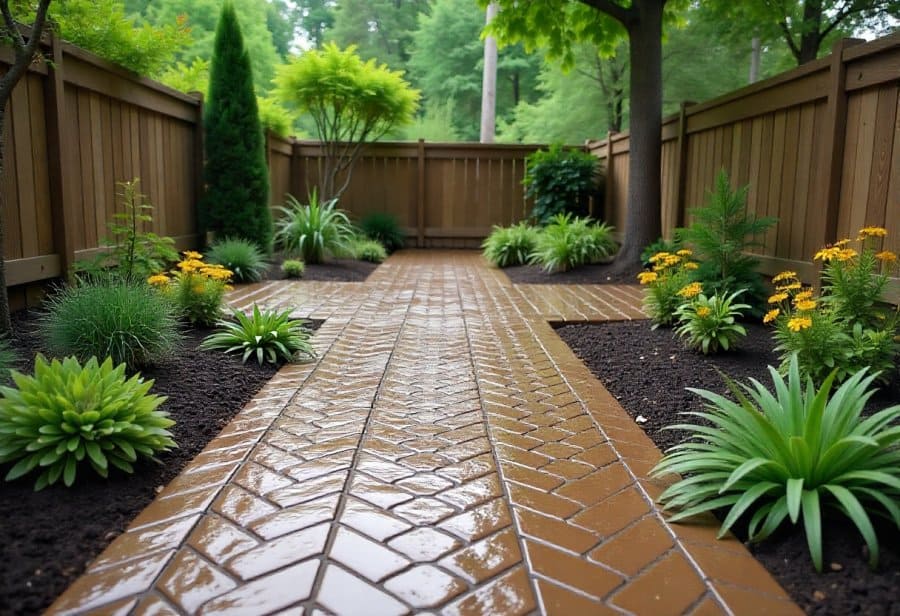
Beyond their functional advantages, permeable pavers also contribute to the aesthetic and social fabric of communities. They come in various colors, shapes, and patterns, turning dull, gray zones into vibrant, inviting spaces. These attractive surfaces encourage outdoor activity, foster community pride, and promote environmental awareness. By blending practicality with visual appeal, permeable paving supports efforts to create cities that are not only resilient but also more engaging and enjoyable for residents.
Implementing permeable paving can be straightforward, especially in new developments or as part of retrofitting existing infrastructure. Proper installation—layered with gravel and geotextile fabric—ensures maximum infiltration and durability. Regular maintenance, such as clearing debris from pores, keeps these surfaces functioning effectively over time. When installed and maintained correctly, permeable pavers hold up well under traffic and environmental stresses, offering a long-lasting, reliable solution for urban flood mitigation.
Looking to the future, embracing green infrastructure like permeable pavers is essential for cities aiming to adapt to a changing climate. Policies, incentives, and increased awareness will drive broader adoption, embedding sustainable water management into everyday urban planning. As communities recognize their benefits, permeable paving will become a cornerstone of resilient, eco-friendly cities—turning stormwater management from a challenge into a catalyst for healthier, more sustainable urban living.