Examining Odysseus and Batman reveals how heroic archetypes serve as reflections of their societies’ deepest values and fears. Odysseus embodies Greek ideals of wisdom, loyalty, and resilience—virtues vital for navigating divine chaos and mortal peril—highlighting a culture that prizes mental agility and moral steadfastness. In stark contrast, Batman’s darker persona mirrors modern anxieties about urban decay, moral ambiguity, and societal corruption, emphasizing justice beyond conventional authority. Their stories demonstrate that heroism adapts across eras: Odysseus’s resourcefulness persists as a symbol of perseverance, while Batman’s evolving complexity mirrors shifting societal concerns. These heroes illustrate that resilience, morality, and human ambition are timeless traits, continuously shaped by cultural contexts. But what do their differences reveal about the societies that created them? Perhaps, amid contrasting worlds, both reflect universal aspirations to overcome chaos through wit, strength, and moral resolve—reminding us of the enduring power of hero stories to mirror our collective hopes and fears.
Article Contents
Heroes as Mirrors of Society: Odysseus and Batman
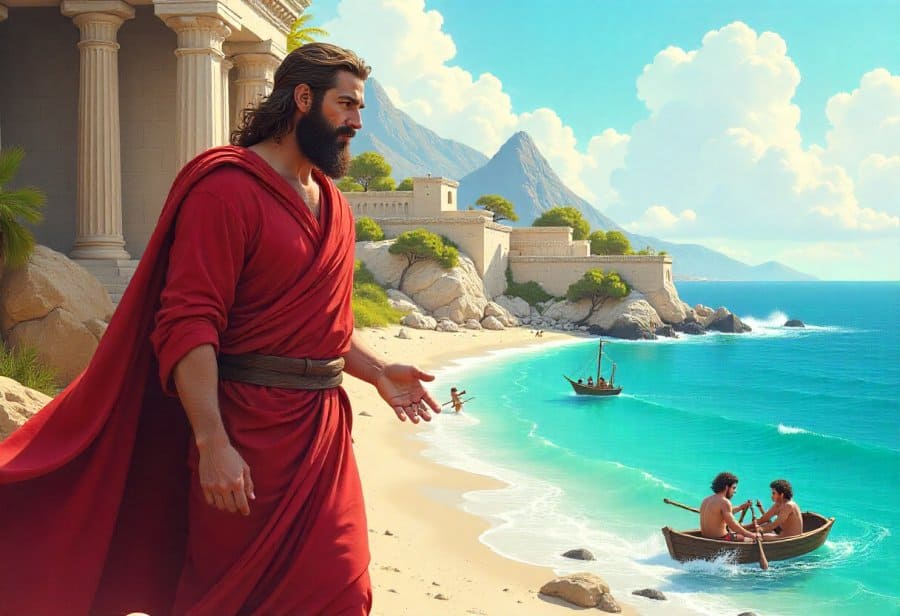
Heroes have long served as mirrors for the values, fears, and hopes of the societies that create them. From ancient legends to modern comic book characters, their stories reflect what cultures prioritize—whether it’s cleverness, strength, morality, or resilience. Comparing Odysseus, the master strategist from Homer’s Greek epics, with Batman, the dark vigilante born out of early 20th-century America, offers a fascinating look at how different eras shape their idea of heroism. Despite their differences, both embody themes of human ambition and struggle that reveal much about the worlds that crafted them.
Heroism is a universal idea, but its expression varies across time and culture. Odysseus exemplifies Greek ideals of wisdom, loyalty, and endurance—traits that helped ancient Greek society survive divine meddling and mortal peril. His cleverness and resourcefulness highlight the value placed on mental agility and perseverance. In contrast, Batman’s persona reflects modern anxieties: urban crime, moral ambiguity, and the need for justice beyond traditional institutions. Created during a period of societal upheaval, his darker image mirrors fears of chaos and corruption in a rapidly changing world.
The origins of these heroes are deeply rooted in their cultural contexts. Odysseus’s tales come from a society that celebrated cunning and resilience as necessary qualities for navigating divine wrath and mortal conflict. His strategic mind symbolizes Greek admiration for wisdom and loyalty—virtues seen as essential for social cohesion. Batman, meanwhile, emerges from a society grappling with urban decay and moral gray areas. His vigilante role symbolizes a desire for justice where traditional systems seem insufficient, reflecting contemporary concerns about lawlessness and societal breakdown.
Both heroes have evolved over time, mirroring shifting societal priorities. Odysseus’s legend has transitioned from myth to literature and pop culture, emphasizing adaptability and perseverance still relevant today. Batman has undergone numerous transformations—from the noir-inspired hero of the 1940s to a psychologically complex figure in more recent adaptations—highlighting how storytelling shifts with societal values. These changes show that heroism adapts, but core traits like resilience and moral resolve remain central.
In exploring Odysseus and Batman, we uncover how their stories serve as cultural barometers. They reveal what each society fears and aspires to—Greek intelligence and endurance, modern justice and resilience. Their narratives underscore that heroism is shaped by cultural fears and hopes, yet rooted in universal human traits like ambition, moral strength, and perseverance. These archetypes continue to inspire, challenge, and reflect our collective understanding of what it means to be a hero.
Origins and Cultural Roots of Heroes: Greek Wisdom Meets Urban Justice
Odysseus and Batman originate from vastly different worlds, each shaped by distinct societal values and historical circumstances. Odysseus, the legendary Greek king from Homer’s epics, embodies virtues prized by ancient Greece—cunning, loyalty, and endurance. His stories reflect a culture that celebrated intelligence and resilience as essential for navigating divine interference and mortal peril. Homer’s depiction of Odysseus as a master strategist, capable of devising the Trojan Horse and surviving treacherous seas, highlights the Greek admiration for wisdom in action. These traits weren’t just heroic; they were seen as vital for maintaining social order amid chaos and divine wrath.
In contrast, Batman’s origins are rooted in early 20th-century America, a society grappling with rapid urbanization, rising crime, and moral ambiguity. Created during the Golden Age of comics, Batman’s persona echoes contemporary fears of lawlessness and corruption. Gotham City, the dark backdrop for his vigilante crusade, symbolizes a society struggling to control chaos when traditional institutions seem insufficient. Unlike mythological heroes driven by divine forces, Batman’s story centers on human struggles—his alter ego, Bruce Wayne, operates outside the law to confront societal ills, mirroring modern anxieties about urban decay and moral gray areas.
Structurally, both heroes mirror their cultural landscapes. Odysseus functions as a symbol of cleverness and resilience, virtues that the Greeks believed necessary to survive divine wrath and mortal conflicts. His story emphasizes mental agility and loyalty, qualities that reinforced Greek ideals of wisdom and perseverance. Meanwhile, Batman encapsulates the modern desire for justice beyond conventional authority. His vigilantism reflects a society questioning whether traditional institutions can address the complexities of urban chaos and moral uncertainty. These origins reveal how deeply their narratives are intertwined with their respective cultural environments, shaping their traits and stories.
Over time, both characters have evolved to mirror shifting societal concerns. Odysseus’s legend has transitioned from myth into literature and pop culture, emphasizing adaptability and perseverance that still resonate today. Batman’s character has also undergone transformations—from the noir-inspired hero of the 1940s to a psychologically complex figure in recent adaptations—highlighting how storytelling shifts with societal values. These evolutions demonstrate that heroism adapts, but core traits like resilience and moral resolve remain central.
By understanding their origins and cultural influences, we see how Odysseus and Batman serve as mirrors of their societies. Their stories reveal what each culture valued—Greek intelligence and endurance, modern justice and resilience—and how these values shape their archetypes. Their roots show heroism is not static but a reflection of the evolving fears, hopes, and ideals of the communities that create them. In this way, both heroes continue to embody the timeless human pursuit of overcoming adversity through ingenuity and moral strength.

Core Themes of Morality, Resilience, and Human Ambition in Hero Stories
Both Odysseus and Batman explore themes that reveal what societies value most—morality, resilience, and human ambition. Odysseus’s adventures often revolve around moral dilemmas where cleverness and loyalty are tested, embodying Greek ideals of honor, perseverance, and devotion to community and divine will. His decisions reflect a culture that prizes wisdom and steadfastness as essential virtues for maintaining social order amid divine chaos and mortal threats.
Batman’s stories delve into moral ambiguity, where justice is intertwined with vengeance. His relentless pursuit of crime-fighting underscores resilience but also raises questions about the morality of operating outside the law for a greater good. Both heroes demonstrate that resilience isn’t just about physical endurance; it’s also about moral resolve in the face of adversity. Their stories show that true heroism involves navigating complex moral landscapes and making tough choices under pressure.
Resilience is central to both characters’ heroism. Odysseus’s long journey highlights mental toughness and adaptability—traits that helped him outwit enemies and divine forces alike. His perseverance through divine wrath and mortal danger reflects Greek values that celebrate endurance and resourcefulness as keys to overcoming chaos. Batman, on the other hand, exemplifies psychological resilience. Confronted with personal loss and societal decay, he refuses to give up, often evolving his methods—through detective skills, technology, or psychological strength—to confront an uncertain world.
These stories also act as mirrors for societal struggles. Odysseus’s odyssey symbolizes the Greek pursuit of order amid divine chaos and mortal conflict, emphasizing loyalty and cleverness as virtues vital for social cohesion. Conversely, Gotham mirrors modern fears—urban decay, rising crime, and moral gray areas. Batman’s vigilantism symbolizes a society’s attempt to restore order when institutions seem insufficient, reflecting contemporary anxieties about lawlessness and corruption.
At their core, both narratives underscore that human ambition fuels the drive to overcome obstacles and shape society. Odysseus’s desire to return home and reclaim his legacy embodies the Greek striving for excellence and lasting impact. Batman’s relentless quest to bring order to Gotham reflects a modern ambition for moral justice and societal stability. Their stories remind us that perseverance and purpose are essential, inspiring individuals to confront adversity and leave their mark.
These themes reveal that heroism isn’t static; it evolves with cultural shifts. Odysseus’s legend has transformed from myth into literature and pop culture, emphasizing traits like adaptability and perseverance that remain relevant today. Batman’s character has also undergone significant changes—from the noir-inspired hero of the 1940s to a psychologically complex figure—mirroring broader societal shifts in values. Both heroes demonstrate that resilience, morality, and ambition are timeless qualities, expressed differently across eras.
Ultimately, Odysseus and Batman serve as reflections of their societies’ deepest values and fears. Their stories reveal that heroism involves more than individual feats—it embodies virtues that uphold social order and moral integrity. By confronting chaos with wit, resilience, and moral resolve, these heroes embody the universal human pursuit of meaning and stability amid uncertainty. Their enduring appeal lies in their ability to mirror our collective hopes and anxieties, inspiring us to face challenges with courage and ingenuity.
These parallels also highlight how modern society’s influence on Batman’s vigilante archetype continues to evolve, reflecting contemporary concerns about justice and morality. For a deeper understanding of these hero archetypes and their cultural significance, explore a detailed comparative analysis of odysseus and batman’s heroism traits.
What Odysseus and Batman Reveal About Human Nature and Society
Heroes like Odysseus and Batman serve as mirrors reflecting the core values and deepest fears of their societies. Odysseus’s stories highlight traits such as wit, resilience, and loyalty—qualities that reveal a culture that prizes intelligence and perseverance as essential tools for navigating divine meddling and mortal peril. His resourcefulness and steadfastness embody Greek ideals of wisdom and endurance, showing that mental agility and moral loyalty are vital for maintaining social harmony amid chaos.
In contrast, Batman’s narrative exposes modern preoccupations with justice, moral ambiguity, and psychological resilience. His darker persona mirrors fears of urban decay, corruption, and the limits of law enforcement. Unlike mythic heroes driven by divine forces, Batman operates in a moral gray area, reflecting societal doubts about whether traditional institutions can fully address the complexities of contemporary life. His relentless pursuit of justice underscores the importance of moral resolve in a world often riddled with chaos and uncertainty.
Both heroes demonstrate that resilience extends beyond physical endurance to include moral strength. Odysseus’s long journey underscores mental toughness and adaptability—traits that helped him outthink enemies and divine forces alike. Similarly, Batman’s resilience manifests in his capacity to confront inner demons and societal decay, often through innovation and psychological strength. These qualities show that heroism today involves moral grit as much as physical courage, emphasizing that overcoming adversity requires a combination of resilience and moral clarity.
Their stories also reveal collective fears and hopes—Odysseus’s quest symbolizes the Greek desire for order amid divine chaos, loyalty, and cleverness as virtues that uphold social cohesion. Meanwhile, Batman’s vigilante role reflects modern concerns about urban decay and moral gray zones, embodying society’s wish to restore balance when institutions falter. Both figures help us understand what each culture fears losing and what they aspire to preserve—order, justice, and moral integrity.
In the end, Odysseus and Batman demonstrate that heroism is a reflection of human nature shaped by cultural context. Their enduring appeal lies in their embodiment of universal traits—resilience, morality, and ambition—that resonate across eras. These stories reveal that heroism isn’t static but evolves with societal shifts, continually mirroring our collective hopes, fears, and aspirations. Through them, we see that hero stories remain vital narratives—tools for understanding ourselves and navigating the chaos of the world around us.
Final Reflections: Heroes as Reflections of Our Fears and Aspirations
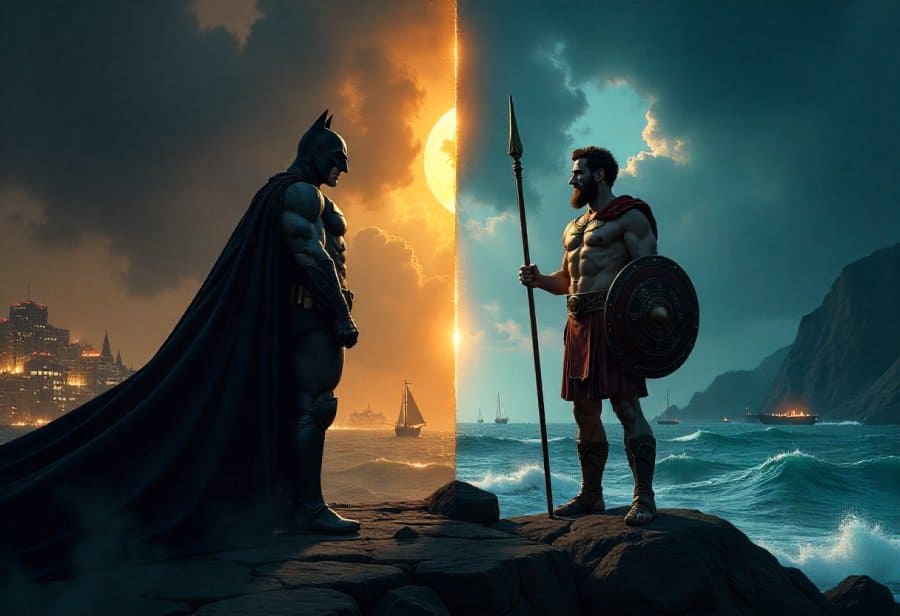
Heroes like Odysseus and Batman serve as more than just stories—they act as mirrors reflecting the core values and deepest fears of the societies that birthed them. Odysseus’s tales highlight the importance of wit, resilience, and loyalty—traits that reveal a culture that prizes intelligence and perseverance as essential tools for navigating divine meddling and mortal peril. His resourcefulness and steadfastness embody Greek ideals of wisdom and endurance, showing us that mental agility and moral loyalty are vital for maintaining social harmony amid chaos.
In contrast, Batman’s narrative exposes modern preoccupations with justice, moral ambiguity, and psychological resilience. His darker persona mirrors fears of urban decay, corruption, and the limits of law enforcement. Operating in a moral gray zone, Batman reflects societal doubts about whether traditional institutions can fully address the complexities of contemporary life. His relentless pursuit of justice underscores the importance of moral resolve in a world often riddled with chaos and uncertainty.
Both heroes demonstrate that resilience extends beyond physical endurance—it includes moral strength and inner fortitude. Odysseus’s long journey underscores mental toughness and adaptability, enabling him to outthink enemies and divine forces alike. Similarly, Batman’s resilience manifests in his capacity to confront inner demons and societal decay, often through innovation and psychological strength. These qualities reveal that heroism today demands not just courage, but a moral grit that sustains us through adversity.
Their stories reveal collective fears and hopes—Odysseus’s quest symbolizes the Greek desire for order amid divine chaos, loyalty, and cleverness as virtues that uphold social cohesion. Meanwhile, Batman’s vigilante role embodies modern anxieties about urban decay and moral gray zones, reflecting society’s wish to restore balance when institutions falter. These narratives help us understand what each culture fears losing and what they aim to preserve—order, justice, and integrity.
In the end, Odysseus and Batman show that heroism is a reflection of human nature shaped by cultural context. Their enduring appeal lies in embodying universal traits—resilience, morality, and ambition—that transcend eras. These stories reveal that heroism isn’t static but evolves with societal shifts, continually mirroring our collective hopes, fears, and aspirations. They remind us that heroes are not just symbols of strength but reflections of ourselves—constantly guiding us through chaos with courage, wit, and moral clarity.