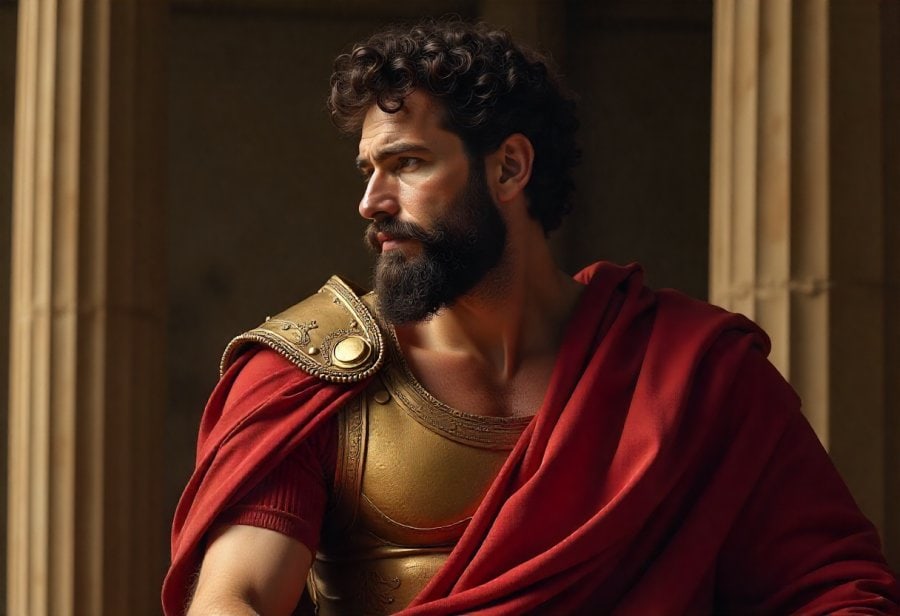
Heroism transcends superpowers, rooted instead in resilience, wit, and unwavering purpose. By exploring the stories of Odysseus and Batman, the narrative highlights that mental toughness, strategic thinking, and moral conviction are vital to overcoming life’s greatest challenges. Odysseus’s cleverness and endurance, combined with Batman’s detective skills and moral clarity, demonstrate that true strength comes from within. These timeless figures teach us that heroism involves adapting to adversity, turning setbacks into opportunities, and staying true to core values. Their journeys underscore that heroism is a lifelong pursuit—developed through intentional effort, reflection, and perseverance. In a world of complexity, heroism now encompasses internal struggles, societal issues, and everyday acts of courage. Ultimately, their stories inspire us to cultivate inner strength, moral integrity, and resilience, reminding us all that heroism is accessible to anyone willing to face challenges with intelligence, determination, and heart.
Heroic Resilience: The Power of Wit and Perseverance
Heroism isn’t just about having superpowers or facing villains with brute strength; it’s fundamentally about resilience—the unshakeable ability to keep going when everything seems to be against you. This kind of heroism is rooted in wit, perseverance, and a clear sense of purpose. Odysseus and Batman exemplify these qualities, demonstrating that mental toughness and cleverness often matter more than physical might. Their stories remind us that true heroes confront adversity with intelligence and resolve, turning setbacks into opportunities to showcase their inner strength.
What sets these figures apart isn’t just their resourcefulness but their unwavering determination. Odysseus navigated mythical monsters and divine traps through cunning and endurance, never losing sight of his goal to return home. Similarly, Batman relies on detective skills, strategic thinking, and moral conviction to fight crime without superpowers. Both characters teach us that heroism is as much about mental agility as it is about external action—using wit and perseverance to overcome seemingly impossible odds.
This focus on wit and resilience shifts the idea of heroism from external battles to internal mastery. It’s about staying calm under pressure, maintaining clarity amid chaos, and pushing forward despite setbacks. These qualities enable heroes to adapt, improvise, and turn obstacles into stepping stones. Whether outsmarting gods or villains, their stories show that resilience isn’t just about physical strength but about the strength of the mind and heart, and the ability to persevere through the darkest times.
Both Odysseus and Batman also demonstrate that heroism is rooted in moral conviction. Odysseus’s desire to reclaim his family and throne fuels his perseverance, while Batman’s pursuit of justice drives his relentless fight against corruption. Their unwavering commitment to their respective causes highlights that heroism involves staying true to core values, even when the journey is long and difficult. It’s this combination of wit, resilience, and purpose that makes their heroism inspiring and enduring.
Ultimately, heroism is a lifelong journey of developing inner strength and moral clarity. It’s about choosing to respond to challenges with intelligence, perseverance, and conviction—no matter how tough the circumstances. Odysseus and Batman remind us that heroism isn’t reserved for myth or comic book pages; it’s a quality we can cultivate within ourselves. Facing adversity with wit and determination transforms ordinary individuals into true heroes, capable of inspiring others and overcoming even the greatest obstacles.
Ancient Roots and Cultural Evolution of Hero Archetypes
Hero archetypes have deep roots that stretch back thousands of years, reflecting the values and beliefs of each society. In ancient Greece, heroes like Odysseus embodied traits such as cleverness, resilience, and divine favor—qualities highly prized in mythologies that celebrated heroism through wit and perseverance. These stories often showcased the hero’s ability to outsmart enemies and gods alike, emphasizing intelligence as a key virtue. Over time, different cultures created their own hero narratives: Norse mythology celebrated strength and bravery, while Eastern traditions often highlighted wisdom and moral integrity. Each society’s stories revealed what qualities they admired most and what they believed made someone truly heroic.
As societies evolved, so did their hero archetypes, adapting to new social and cultural needs. The Greek hero, for example, was often a leader or warrior favored by gods, with divine intervention playing a significant role in their success. Their heroism was rooted in endurance, cunning, and sometimes divine support. Moving into the Middle Ages and beyond, stories shifted focus toward personal sacrifice and moral virtue, mirroring changing societal ideals. Heroes became symbols of moral strength and righteousness, fighting for justice or truth within their communities. These narratives reinforced the idea that heroism was about inner virtue and the willingness to stand firm for what’s right.
Throughout history, hero stories served as moral lessons, illustrating virtues like loyalty, bravery, and sacrifice. They reinforced societal ideals and provided models for behavior, especially for young people. Chinese legends, for instance, celebrated Yue Fei for unwavering loyalty, embodying virtues that society cherished. Similarly, African folklore’s clever trickster heroes like Anansi emphasized intelligence over brute strength, teaching that wit and resourcefulness can triumph over adversity. These stories helped shape cultural identities and transmitted core values across generations, illustrating that heroism encompasses both mental resilience and moral conviction.
As civilizations progressed into the modern era, the idea of heroism expanded further. The rise of individualism and social awareness brought new archetypes—heroes like Joan of Arc or Mahatma Gandhi—who relied on resilience, moral clarity, and strategic thinking. These figures fought not with weapons alone but through conviction, perseverance, and moral courage. Their stories demonstrate that heroism is rooted in internal strength and unwavering purpose, inspiring others to stand firm in the face of adversity. These lessons continue to influence our understanding of heroism today, emphasizing that true heroism is about moral character as much as external action.
Today, hero archetypes are still evolving, shaped by contemporary issues and shifting societal values. Modern stories often focus on internal struggles, moral ambiguity, and collective efforts rather than just individual feats. Heroes are frequently ordinary people demonstrating resilience, wit, and moral strength—whether fighting for social justice, environmental causes, or mental health awareness. This inclusivity shows that heroism isn’t confined to mythic figures but is accessible to anyone willing to stand up for what’s right. The core virtues of resilience, cleverness, and moral conviction remain central, proving that heroism’s roots are deep and adaptable.
Despite these changes, the fundamental qualities of heroism stay consistent. Inner strength, perseverance, and moral clarity continue to define what it means to be a hero in any era. These traits are timeless because they resonate with our innate sense of what it takes to face challenges with dignity. The stories of Odysseus and Batman remind us that heroism isn’t just about external battles but about internal resilience—mental toughness, strategic thinking, and moral conviction. They show us that heroism is a lifelong pursuit, rooted in the values we cultivate and the actions we take in everyday life.
Cultural shifts have expanded our view of heroism, emphasizing that everyone has the potential to be heroic. Today’s heroes often reflect diverse backgrounds, stories, and struggles, illustrating that resilience and wit are universal qualities. Whether overcoming personal hardships or fighting societal injustices, these stories reinforce that heroism isn’t about perfection but about persistent effort and moral resolve. This evolving landscape invites us all to see ourselves as capable of heroism, provided we develop the inner qualities that enable us to face adversity with courage and purpose.
Modern Manifestations: The Diverse Face of Heroism Today
Today’s idea of heroism has become more layered and diverse than ever before. Heroes are no longer just figures with superhuman powers or mythic qualities; they now reflect the complexities of our society and the challenges we face daily. In movies, TV shows, and comics, heroes often grapple with internal conflicts, moral dilemmas, and personal sacrifices, making their stories more relatable and nuanced. Characters like Iron Man or Wonder Woman exemplify resilience, intelligence, and conviction—traits we admire because they mirror real-world struggles and growth.
Modern hero narratives focus heavily on resilience and strategic thinking. Today’s heroes confront problems that demand mental toughness, quick adaptation, and moral judgment. They demonstrate perseverance amid adversity, often using wit and ingenuity to outsmart enemies or navigate morally gray situations. This shift aligns with a cultural appreciation for authenticity, showing that heroism is as much about inner strength as external action.
Stories have also grown darker and more complex. Heroes are no longer invincible; they face internal demons, trauma, and psychological battles. Vigilantes haunted by past mistakes or heroes questioning their moral boundaries remind us that resilience includes vulnerability and self-awareness. This perspective emphasizes that true strength involves confronting one’s inner darkness and continuing to fight with integrity, even when the odds seem insurmountable.
Societal issues now deeply influence hero stories. Themes like social justice, mental health, and environmental crises are woven into their narratives, making heroism more relevant and urgent. Advances in technology introduce new tools and challenges, pushing heroes to adapt their strategies and moral frameworks. These stories reflect our world’s rapid changes and highlight that resilience today involves navigating moral ambiguity and technological complexities with moral clarity.
Diversity in representation is reshaping what it means to be a hero. We see stories of everyday people demonstrating resilience, wit, and moral strength—whether through activism, advocacy, or personal sacrifice. This inclusivity shows heroism isn’t limited to mythic or superhero figures but is accessible to anyone willing to stand up for what’s right. It encourages us to see heroism as a mindset that can be cultivated in everyday life, inspiring more people to embrace their inner hero.
Despite these evolutions, the core virtues of inner strength, perseverance, and moral conviction remain central. Today’s heroes remind us that resilience isn’t about avoiding difficulty but facing it head-on with courage and clarity. Their stories inspire us to develop these qualities ourselves, demonstrating that heroism is as much about attitude as action. In a world filled with uncertainties and challenges, these narratives serve as a reminder that true heroism involves the strength of character and the willingness to stand firm amid chaos.
The landscape of heroism continues to expand, rooted in timeless qualities of wit, determination, and moral integrity. As societal values evolve, so do the stories we tell about what it means to be a hero. Whether in fiction or real life, heroism now encompasses internal struggles, collective efforts, and everyday acts of courage. These stories and examples inspire us to see ourselves as capable of heroism, provided we cultivate resilience, strategic thinking, and moral clarity—traits that remain at the heart of what it truly means to be a hero.
Building Inner Strength: Strategies for Resilience, Wit, and Moral Conviction
Cultivating heroic resilience starts with adopting a mindset that sees challenges as opportunities rather than insurmountable barriers. Staying calm and focused under pressure allows for clearer thinking and decisive action. This mental toughness isn’t built overnight; it’s developed through consistent practice. Techniques like mindfulness, reflection, and deep breathing help manage stress and maintain clarity when facing adversity. Training your mind to remain present and composed transforms reactive responses into deliberate, purposeful actions.
Strategic thinking is essential for resilience. Approaching problems by breaking them into manageable parts and considering multiple perspectives opens the door to creative solutions. When challenges are approached with flexibility and foresight, setbacks become stepping stones rather than dead ends. This mental agility—exemplified by Odysseus’s cleverness—enables heroes to adapt quickly, anticipate obstacles, and pivot when necessary.
Building conviction involves clarifying what truly matters to you. Knowing your core values and purpose provides a moral compass that guides decisions, especially in tough times. When actions are rooted in a strong sense of purpose, perseverance feels natural. Reinforcing this clarity through regular reflection or reaffirmation keeps your resolve steady, much like Batman’s unwavering pursuit of justice. It’s about aligning your daily choices with your larger mission.
Practicing routines like journaling, meditation, or seeking feedback from trusted peers helps embed resilience, wit, and conviction into your daily life. Journaling enables you to process setbacks and recognize patterns, while meditation sharpens focus and emotional regulation. Feedback provides new perspectives and accountability, fostering continuous growth. These habits cultivate inner strength, making resilience second nature when facing life’s inevitable struggles.
Viewing setbacks as part of growth shifts your perspective from defeat to development. Approaching difficulties with patience, creativity, and moral clarity turns obstacles into opportunities. Wit develops through learning to think under pressure, transforming problems into innovative solutions. Building these qualities isn’t about perfection but about making consistent, intentional choices that reinforce strength and purpose.
Resilience, wit, and conviction are mindsets that can be cultivated intentionally. Developing emotional toughness, strategic thinking, and moral clarity prepares you for challenges ahead. When these qualities become ingrained, everyday moments become acts of heroism. Whether in personal life or larger struggles, nurturing this mindset transforms adversity into growth and setbacks into opportunities for a stronger, more courageous self.
This ongoing process of growth requires vigilance and commitment. Each challenge faced with resilience and purpose deepens your capacity for heroism. The journey isn’t about never falling but about rising stronger each time. By consciously practicing these strategies, you build a foundation of mental agility and moral strength that supports you through any storm, turning you into your own hero ready to face whatever comes.
Key Insights: The Core of Heroism Lies in Resilience, Strategy, and Purpose
Heroism isn’t about having superpowers or being invincible; it’s rooted in resilience—the unshakeable ability to persist despite setbacks and hardships. Odysseus and Batman exemplify this trait, showing us that mental toughness, perseverance, and unwavering conviction are what truly define a hero. Their stories remind us that strength of character, more than external forces, enables someone to overcome adversity and inspire others along the way.
Wit and strategic thinking are equally vital. They empower heroes to navigate complex situations, outsmart opponents, and adapt on the fly. Odysseus’s cleverness helped him survive mythic monsters and divine traps, while Batman’s detective skills and quick decision-making allow him to combat Gotham’s villains. These qualities highlight that heroism isn’t just about brute strength but about resourcefulness and mental agility—turning obstacles into opportunities.
Moral conviction acts as a guiding light. Both Odysseus and Batman are driven by deep purpose—Odysseus’s desire to return home and reclaim his life, and Batman’s relentless pursuit of justice after personal tragedy. This unwavering sense of what’s right sustains their efforts through long and arduous journeys. Their stories demonstrate that true heroism involves aligning actions with core values, standing firm in the face of adversity, and pushing forward with clarity and resolve.
These narratives also show that resilience, wit, and conviction are qualities that can be developed over time. They’re not innate but cultivated through intentional effort—such as practicing patience, strategic thinking, and staying true to one’s principles. Building routines like reflection, learning from setbacks, and seeking feedback help embed these traits into daily life, making them second nature when challenges arise.
Viewing setbacks as opportunities for growth transforms struggles into acts of heroism. Approaching difficulties with patience and creative problem-solving turns obstacles into stepping stones. Wit develops through learning to think under pressure, turning problems into innovative solutions. Cultivating these qualities isn’t about perfection but about consistent effort in responding with strength, purpose, and moral clarity.
Resilience, wit, and conviction are mindsets that anyone can nurture. Developing emotional strength, strategic insight, and moral firmness prepares us for the inevitable challenges of life. When these qualities are cultivated deliberately, everyday moments become acts of heroism—small but powerful acts of courage, persistence, and integrity. This process transforms adversity into growth, empowering us to face whatever comes with confidence.
The journey of heroism isn’t about never falling but about rising stronger each time we do. It’s about choosing to respond with strength, intelligence, and moral clarity, regardless of circumstances. Odysseus and Batman teach us that resilience and conviction are what allow heroes to confront their inner demons and external enemies alike. Their stories serve as a reminder that heroism is accessible to all—rooted in the inner qualities we develop and the choices we make every day.