Throughout history, leaders have been celebrated for their conquests and external achievements, yet Marcus Aurelius’s life challenges this notion by emphasizing inner discipline as true strength. As Roman Emperor, he faced relentless wars, political upheaval, and personal hardships, but his enduring legacy lies in his unwavering mastery of self through Stoic philosophy. His writings reveal a leader who believed that inner resilience, moral virtue, and self-awareness are the foundations of genuine power—a perspective that questions whether external success is fleeting compared to the lasting influence of inner strength. In today’s chaotic world, cultivating habits like reflection, emotional regulation, and moral clarity mirrors Marcus’s approach, fostering resilience amid uncertainty. Could this focus on inner discipline be the key to authentic leadership and a meaningful life? This exploration invites us to reconsider what it truly means to be powerful—suggesting that mastery over one’s mind and character might be the greatest empire of all.
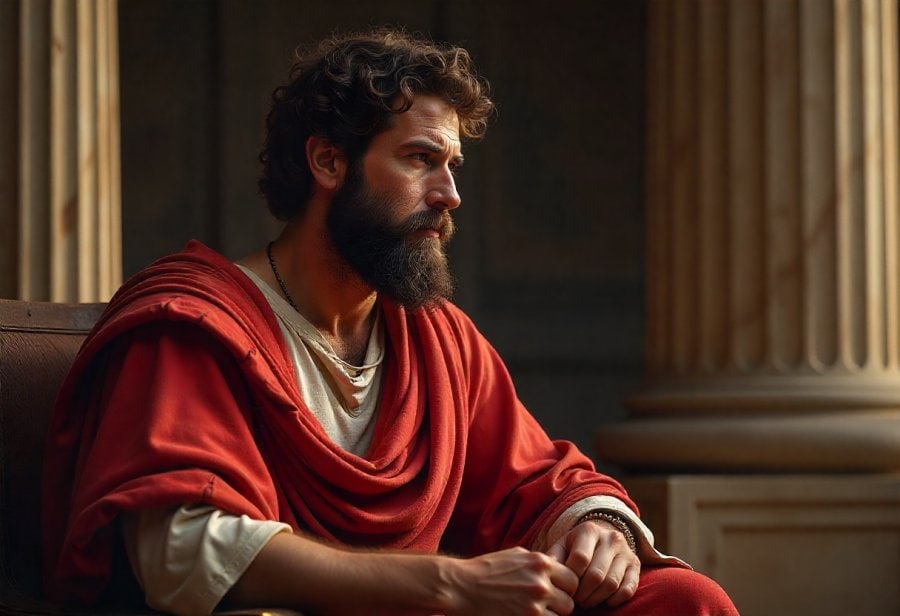
Inner Discipline vs. External Conquest: The True Measure of Leadership
Throughout history, leaders have often been judged by their ability to conquer lands, expand empires, and showcase external power. Banners flying, armies victorious, borders pushed outward—these are the images we associate with strength in a ruler. Yet, beneath these visible displays of success lies a deeper question: is true strength rooted solely in external achievements, or does it reside elsewhere? The life of Marcus Aurelius offers a compelling perspective. As Roman Emperor from 161 to 180 AD, he faced relentless military campaigns, political upheaval, and personal hardships. Despite these external challenges, he is remembered not just for battlefield victories, but for his unwavering inner discipline and philosophical wisdom.
Marcus’s reputation as a philosopher-king suggests that genuine strength extends beyond external conquest. His writings, especially the Meditations, reveal a leader who prioritized self-mastery and resilience over the desire for power for its own sake. Even amid chaos, he focused on governing himself first—cultivating virtues such as patience, humility, and mental clarity. His calmness under pressure was rooted in inner discipline, not just military might, raising a vital question: could the greatest strength of a ruler be found in their ability to govern their own mind and character?
This idea challenges traditional notions of leadership, reframing what it means to be truly powerful. External victories may bring fleeting glory, but lasting influence depends on moral integrity and self-control. Leaders who develop inner resilience can face crises with steadiness, inspire genuine loyalty, and leave a legacy that endures long after banners are lowered or borders shift. Marcus Aurelius’s life exemplifies this truth—his strength was not solely in armies or territory, but in his capacity to govern his inner world with discipline and wisdom.
Focusing on inner strength doesn’t diminish the importance of external achievements; it transforms the definition of power itself. External conquest might secure fame, but inner discipline provides a moral foundation that withstands external shocks. It enables leaders to stay true to their principles during difficult decisions and setbacks. Marcus’s example reminds us that a ruler’s greatest legacy may lie within—an empire of virtue and resilience built from the inside out.
Marcus Aurelius: A Stoic Emperor Facing War and Turmoil
Marcus Aurelius’s reign as Roman Emperor, from 161 to 180 AD, was marked by a constant balancing act between military duties, political responsibilities, and philosophical reflection. Facing ongoing threats along the empire’s frontiers, especially from barbarian tribes along the Danube, he personally led campaigns to defend Rome’s borders. These military efforts demanded resilience, strategic thinking, and unwavering commitment, yet Marcus approached them with a sense of moral discipline rooted in Stoic philosophy rather than a desire for conquest.
While external threats loomed, Marcus dedicated significant time to studying and practicing Stoic teachings. His writings, particularly the Meditations, reveal a leader who believed that self-mastery and inner discipline were essential for effective governance. Often penned during moments of solitude away from the battlefield or political chaos, these reflections emphasize controlling emotions and acting with moral integrity. For Marcus, philosophy wasn’t separate from his role as emperor—it was the guiding compass that helped him navigate crises with calm and clarity.
Marcus saw himself as a philosopher-king, blending authority with virtue. Unlike rulers driven solely by ambition, he viewed his responsibilities through a moral lens, emphasizing justice, temperance, and resilience. His leadership was less about asserting dominance and more about embodying moral strength, setting a standard for how power should be exercised. This internal focus enabled him to govern a vast empire with dignity, even amid turbulence.
His military campaigns along the Danube were grueling, yet he faced them with Stoic calm and a sense of duty. His writings demonstrate a leader who reminded himself of the impermanence of fortune and the importance of maintaining inner calm. This resilience wasn’t passive; it was an active practice of virtues like patience and humility, allowing him to lead with dignity regardless of external circumstances.
Marcus’s internal discipline helped him meet external pressures with steadiness and purpose. When faced with setbacks such as military defeats or political intrigue, he responded not with panic but with reflection, trusting in the transient nature of external events. His ability to govern his inner world provided a moral anchor that carried him through crises, reinforcing that true strength comes from within.
His legacy extends beyond military achievements. Marcus Aurelius exemplified how external challenges could be met through inner resilience and philosophical discipline. His life underscores that genuine power isn’t just about territory or victories—it’s about the mastery of oneself. This internal strength remains a timeless model for leadership rooted in virtue and mental fortitude.
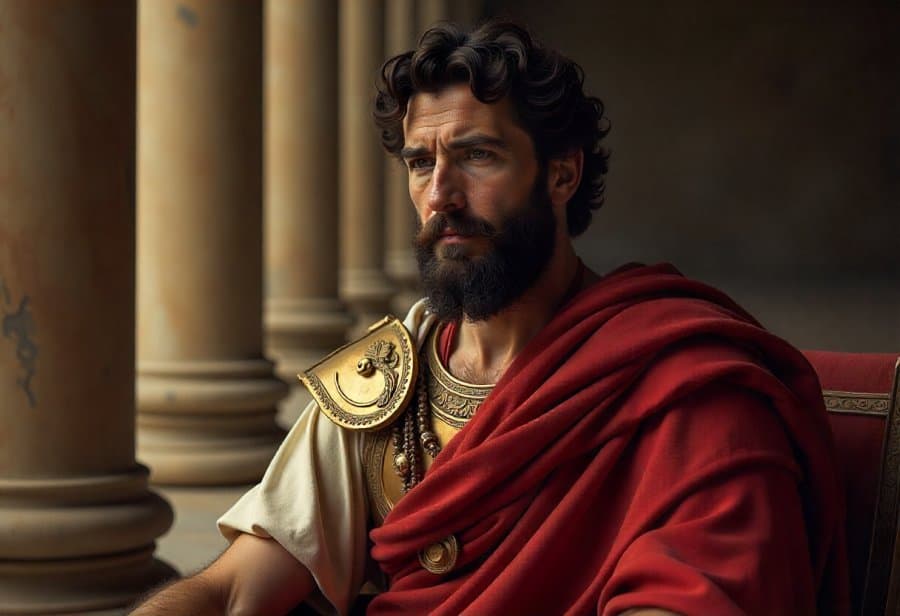
Inner Resilience as the Key to Steadfast Leadership
Inner resilience is the quiet force that enables leaders to stand firm amid chaos and external pressures. Marcus Aurelius’s life vividly illustrates this kind of strength. When military setbacks threatened the stability of the empire, he didn’t panic or lash out. Instead, he reflected on the transient nature of fortune, understanding that external events are fleeting and beyond full control. This perspective allowed him to maintain his composure and focus on what he could influence—his reactions and inner state—rather than external chaos.
Throughout his reign, Marcus practiced self-discipline and philosophical reflection as tools to cultivate resilience. His writings, especially the Meditations, reveal a leader who actively worked to regulate his emotions and maintain moral clarity. When faced with personal loss, political intrigue, or battlefield hardships, he responded with patience and humility. This internal fortitude didn’t deny the difficulties; it transformed how he faced them, turning obstacles into opportunities for growth. His ability to stay centered under pressure became a cornerstone of his leadership.
Inner resilience isn’t about suppressing feelings but about mastering the art of response. Marcus understood that reacting impulsively only deepened chaos. Instead, he paused, drew on his philosophical grounding, and responded with purpose. This mental discipline created a buffer against external shocks, allowing him to act with clarity rather than emotion. It’s a resilience rooted in daily practices—reflection, self-awareness, and a commitment to virtue—that strengthened his capacity to lead through adversity.
When external circumstances intensified—whether war, political unrest, or personal suffering—those with inner resilience maintained their integrity. They didn’t succumb to despair or moral compromise. Instead, they stayed true to their principles, trusting that their inner strength would carry them through. This mental steadiness not only preserved their dignity but also inspired trust and loyalty among those they led. Their calm influence created stability even in the stormiest times.
Marcus Aurelius’s example shows that true strength comes from within. It’s not about invulnerability but about the capacity to remain steady, calm, and morally anchored amid external upheaval. This inner resilience is a continuous practice—developed through reflection, discipline, and virtue—that equips leaders to face challenges with grace. By governing their inner worlds, they forge a lasting foundation of strength that endures beyond external victories, proving that resilience of the mind is the real measure of power.
Core Principles of Inner Strength: Self-Awareness, Emotional Control, and Wisdom
Inner strength is built on foundational principles that guide us in developing resilience and self-mastery. The first is self-awareness: understanding your strengths, weaknesses, and emotional triggers allows you to respond thoughtfully rather than react impulsively. When you recognize what influences your reactions, you can navigate challenges with clarity and purpose. This awareness acts as a compass, helping you stay grounded even when circumstances become chaotic.
Equally vital is emotional regulation. It’s not about suppressing feelings but about cultivating the ability to remain calm and centered amid turbulence. Techniques like mindfulness, deep breathing, or reflective practices create space between stimulus and response. Over time, these habits strengthen your capacity to choose responses aligned with your values, which reinforces inner resilience and reduces vulnerability to external shocks.
Philosophical wisdom, especially from Stoic teachings, offers essential guidance. It reminds us that many things are beyond our control, and obsessing over them only drains energy. Instead, focusing on what we can influence—our thoughts, actions, and attitudes—restores a sense of agency and inner peace. Reflecting on virtues such as patience, humility, and justice helps anchor decisions in moral clarity, ensuring that our strength comes from enduring principles rather than fleeting circumstances.
Practicing these principles consistently transforms them from abstract ideas into habits that fortify our inner world. Daily reflection, journaling, or meditation deepen self-understanding and reinforce virtues. This ongoing effort isn’t about perfection but about steady progress—shaping a resilient mindset capable of facing setbacks with calm and confidence. Every small act of discipline adds up, creating a mental armor that sustains us through adversity.
Resisting the lure of instant gratification and maintaining commitments—even when it’s difficult—further strengthens inner resolve. Small acts of self-control, like sticking to routines or resisting temptations, gradually build mental fortitude. These habits become internal anchors, shielding us from external chaos and aligning our actions with our deepest values. As discipline deepens, so does our capacity for authentic leadership rooted in integrity.
Ultimately, cultivating inner strength is a continuous journey. It’s about forging a resilient inner landscape that remains steady regardless of external storms. Leaders like Marcus Aurelius understood that true power resides within—governed by virtues that foster resilience, wisdom, and moral clarity. When these principles are woven into daily life, they create an unshakeable core that sustains influence and integrity far beyond fleeting victories.
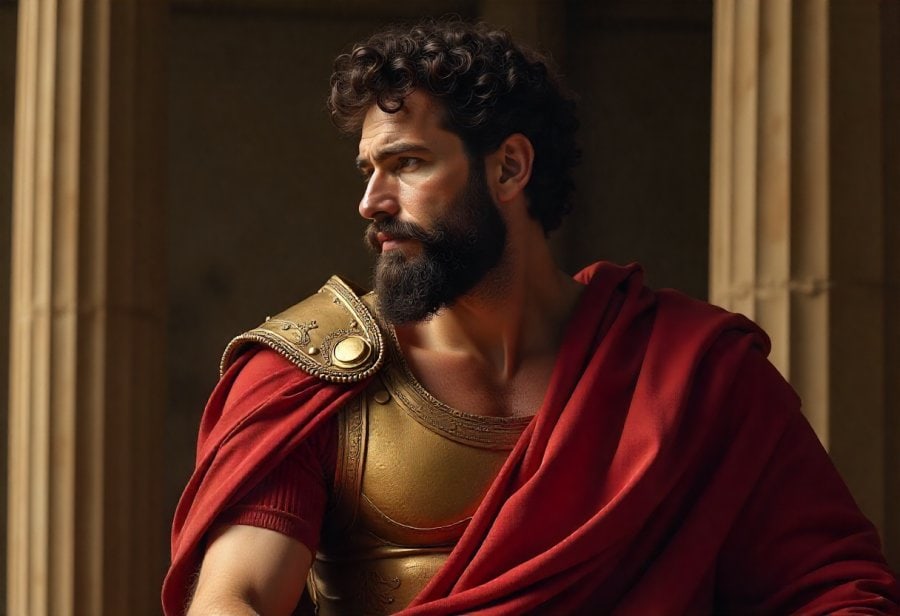
Applying Ancient Wisdom to Modern Leadership and Personal Growth
In today’s fast-paced world, applying the principles of inner discipline and wisdom isn’t just a lofty ideal—it can truly transform how we navigate daily challenges. Simple routines like journaling, meditation, or mindful reflection serve as powerful tools to build self-awareness and emotional control. Many successful leaders and individuals credit Stoic-inspired practices, such as focusing on what they can influence and cultivating gratitude, for helping them stay resilient during tough times. These habits might seem small, but over time, they create a sturdy foundation for making thoughtful decisions under pressure.
Developing inner discipline begins with consistent habits that strengthen self-control. Meditation and mindfulness exercises create a pause between stimulus and response, making it easier to act in line with your values. Journaling thoughts and decisions encourages honest self-examination, revealing patterns that can be improved. As these routines become ingrained, they fortify your mental resilience, helping you face setbacks with clarity and calmness. This mental fortress becomes essential for maintaining integrity and purpose, especially when external circumstances are unpredictable.
Today’s leaders are expected to do more than just strategize or manage operations—they need a steady inner core to guide their actions. Leaders who nurture this quality tend to be adaptable, better at managing stress, and more authentic in their interactions. Their calm confidence inspires trust and loyalty, even amid uncertainty. Inner discipline allows them to stay true to their principles rather than succumbing to ego or external pressures. As a result, they foster a culture of stability and moral clarity that endures far beyond fleeting external accomplishments.
On a personal level, these principles help foster a balanced, purposeful life. Building resilience through self-awareness and emotional regulation enables us to handle daily frustrations, nurture meaningful relationships, and stay committed to long-term goals. When faced with setbacks, individuals practicing inner discipline view challenges as opportunities for growth rather than threats. This shift in mindset promotes inner peace and deepens conviction, which naturally radiates outward and influences other areas of life.
Neglecting inner discipline can be costly. Leaders focused solely on external achievements risk burnout, moral compromise, or losing touch with their core values. External wins may garner recognition, but without inner strength, they’re fragile and short-lived. Conversely, those who prioritize their inner resilience tend to leave lasting legacies. They can withstand storms and setbacks with grace, maintaining their integrity and purpose. Cultivating wisdom and resilience from within transforms leadership into a lasting influence, showing that genuine strength begins inwardly and grows outward.
Practicing these principles daily—through reflection, discipline, and virtuous action—sets a trajectory for ongoing growth. Over time, such habits deepen our capacity for patience, humility, and moral clarity. Each small act of self-control reinforces inner strength, creating an unshakeable foundation that supports us through adversity. This consistency not only shapes our character but also enhances our ability to lead authentically and effectively in any situation.
In essence, integrating inner discipline into everyday life turns abstract virtues into lived realities. It makes resilience a second nature, not just an aspiration. Leaders and individuals alike find that when they govern their inner worlds, they gain a powerful sense of agency and calm. This inner strength becomes a wellspring of influence, enabling us to face external chaos with steadiness and purpose. Far from being a passive trait, it’s an active, ongoing process—one that, when cultivated, prepares us to meet life’s challenges with wisdom and grace.