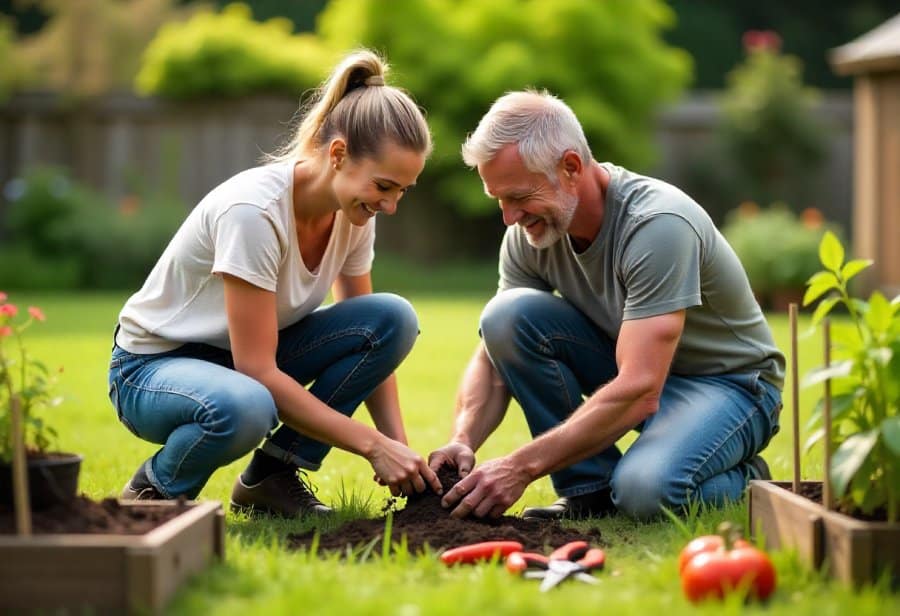
In an increasingly digital world, can shared gardening be the key to restoring genuine human connection and emotional healing? This heartfelt exploration reveals how tending to a garden side-by-side offers more than just growing food—it cultivates trust, patience, and communication among participants. Whether in urban community plots or family yards, working in the soil fosters mindfulness, reduces stress, and deepens bonds through shared effort and care. The act of nurturing life together transforms routine tasks into meaningful rituals, strengthening relationships over time. With minimal costs and simple strategies, gardening becomes an accessible, therapeutic act that counters loneliness and digital disconnection. Real-life stories demonstrate how collective effort in gardening nurtures resilience, heals emotional wounds, and creates lasting memories. Could the humble act of planting seeds together unlock deeper bonds and foster a sense of community in our modern lives? The answer lies in the soil—where growth begins, both in plants and in human connections.
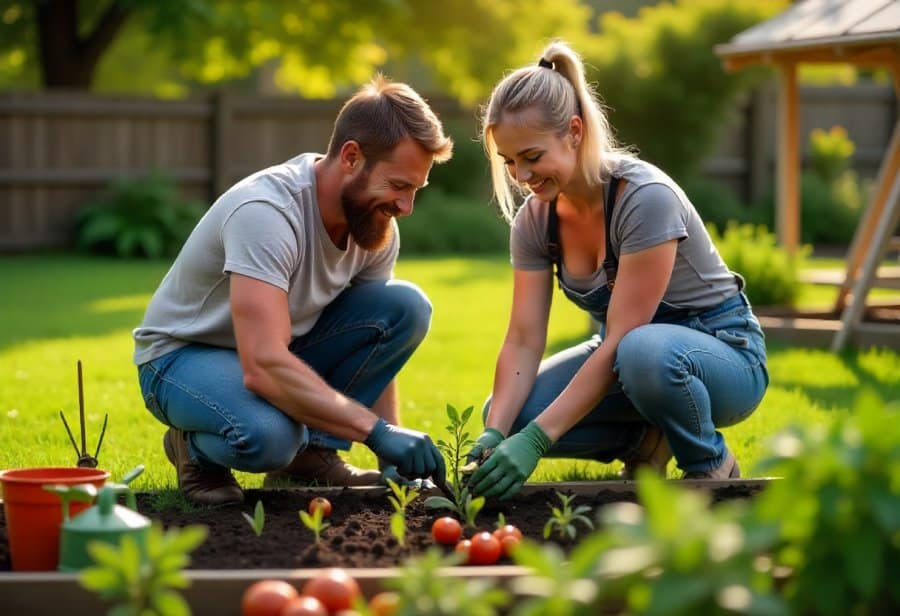
Reconnect and Heal Through Shared Gardening in a Digital World
In a world where screens and notifications dominate our daily routines, genuine human connection can sometimes feel out of reach. We scroll through endless feeds, exchange quick messages, and respond to emails, often sacrificing meaningful face-to-face moments along the way. It’s easy to forget that real bonds are built through shared experiences, not just virtual interactions. That’s where shared gardening offers a refreshing alternative—a simple activity with the power to reconnect us in a more tangible and authentic way.
Tending a garden side-by-side creates a space for conversation, patience, and mutual effort—elements that digital routines tend to overlook. Working outdoors encourages us to slow down, be present, and focus on a common goal. This shared effort can reset mental clutter, promote mindfulness, and deepen emotional intimacy, often in ways words alone can’t achieve. Gardening becomes a quiet act of nurturing, not just plants but relationships as well.
Despite the prevalence of instant messaging and social media, the importance of face-to-face connection remains clear. Studies show that meaningful relationships are crucial for mental health, offering support, comfort, and a sense of belonging. When digital distractions take over, feelings of loneliness can grow even as we stay “connected” online. Gardening provides a natural antidote—an opportunity to nurture real bonds through cooperation and shared care.
Outdoor activities like gardening tap into a universal language of growth and nurturing. When we get our hands in the dirt together, it’s more than planting seeds—it’s about planting trust, patience, and empathy. The act of caring for a garden involves collaboration and understanding, which can help mend emotional wounds and build resilience over time. Watching a seed grow mirrors the strengthening of bonds, reminding us that with care and patience, relationships can flourish even amid modern disconnect.
Unlock the Therapeutic Power of Gardening for Building Bonds
Gardening isn’t just a pastime; it’s widely recognized as a form of therapy that offers tangible mental health benefits. Spending time with plants and soil helps lower stress, reduce anxiety, and ease feelings of loneliness. The physical act of tending a garden—whether planting, watering, or weeding—creates a soothing rhythm that keeps us grounded and present. This repetitive, gentle activity offers a welcome escape from daily worries and digital overload, helping us reconnect with ourselves and our environment.
When people work together in the garden, these benefits multiply. Sharing tasks like watering or planting fosters teamwork and communication, transforming a simple activity into a bonding ritual. Across cultures and generations, gardens have served as communal spaces for connection, passing down skills and traditions that reinforce social ties. These shared experiences aren’t just about growing food or beauty—they’re about building trust, cooperation, and a sense of belonging that can last a lifetime.
Historically, gardens have played a vital role in bringing people together. Whether in family yards or community plots, the act of caring for plants encourages patience, empathy, and mutual support. These qualities are essential for fostering healthy relationships, and the act of nurturing life together creates a foundation of emotional resilience. Today, this tradition continues, amplified by modern tools and online communities that connect gardeners worldwide, making shared gardening accessible regardless of physical distance.
The mental health benefits of gardening extend beyond the physical act. Engaging with nature helps slow racing thoughts, encourages mindfulness, and promotes emotional stability. tending to plants cultivates patience and empathy, fostering a deeper understanding of oneself and others. As we nurture living things, we develop emotional resilience that translates into stronger, more supportive relationships.
Shared gardening offers a natural way to combat the disconnection many feel in our digital age. It provides a space where real, face-to-face interactions can flourish amid screens and notifications. By working side-by-side outdoors, we rebuild trust, improve communication, and reconnect on a human level—reminding us that growth and healing often begin in the soil.
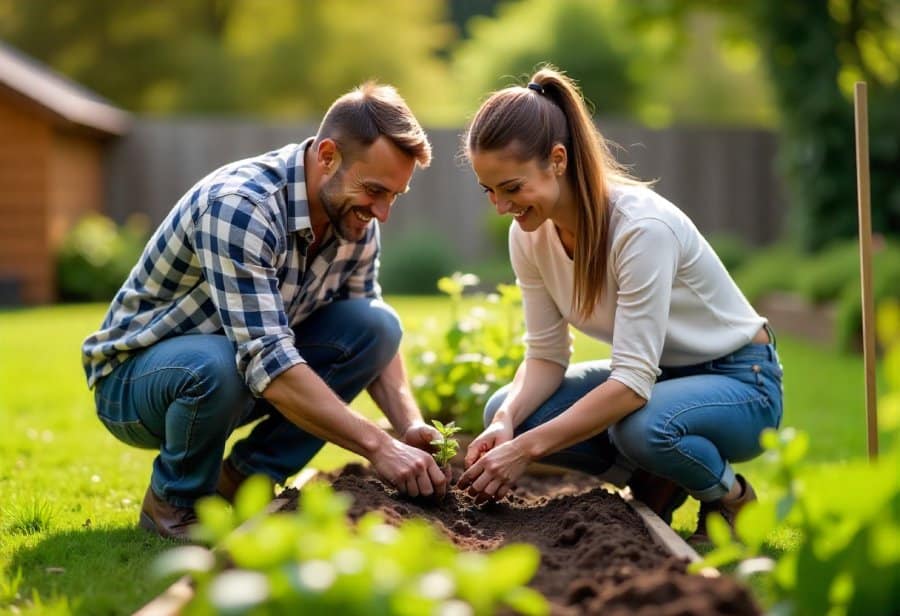
The Modern Landscape of Outdoor and Shared Gardening: Opportunities and Challenges
Today, outdoor and shared gardening are experiencing a notable resurgence, especially in urban environments where green space is often scarce. Community gardens and rooftop farms are transforming cityscapes, turning concrete jungles into vibrant hubs of activity. These spaces serve more than just growing food—they foster social interaction, resource sharing, and collective achievement. Gardening in these settings becomes a powerful tool for building community ties, encouraging cooperation among neighbors who might otherwise remain strangers.
In suburban and rural areas, traditional family plots and neighborhood gardens continue to thrive. These spaces often involve multiple generations working side-by-side, reinforcing bonds through routine care and shared effort. Over seasons, planting, tending, and harvesting become a rhythm that cultivates patience, trust, and mutual support. Despite differences in size and style, the core benefit remains: gardening naturally promotes emotional connection and long-lasting relationships.
Technological advances have expanded the reach of shared gardening. Online forums, social media groups, and virtual gardening guides connect enthusiasts across distances, creating a global community rooted in shared knowledge and support. These digital platforms complement outdoor efforts, making it easier for gardeners to exchange ideas, troubleshoot issues, and celebrate successes. Such connectivity transforms gardening from a solitary activity into a collective experience that crosses borders and brings people together.
Yet, modern busy lives still pose obstacles. Time constraints can limit outdoor engagement, but even small projects—like balcony containers or community plots—offer meaningful opportunities for connection. Short, manageable gardening routines can fit into hectic schedules while still fostering interaction and emotional closeness. These simple acts remind us that even brief moments in nature can strengthen bonds and provide mental refreshment.
Growing awareness around sustainability and local food initiatives has driven a new wave of community gardening projects. These efforts not only promote environmental consciousness but also cultivate a sense of shared purpose. Growing herbs, vegetables, or flowers together offers a collective reward that deepens relationships and encourages ongoing collaboration. Shared gardening, therefore, aligns with broader social and ecological goals, reinforcing its relevance today.
Additionally, therapeutic horticulture programs have gained popularity, integrating gardening into mental health and wellness strategies. These initiatives emphasize inclusive, supportive environments where individuals experience emotional healing through shared outdoor activity. The communal aspect amplifies mental health benefits, turning gardening into a pathway for emotional resilience and relationship growth.
Despite these positive trends, challenges remain. Urban space limitations, resource inequalities, and occasional conflicts over routines or plant choices can hinder progress. However, these obstacles often become opportunities for dialogue, compromise, and strengthened understanding. Navigating difficulties together in gardening mirrors the resilience needed in relationships, highlighting its role as a catalyst for social cohesion.
Economical Ways to Grow Closer: Cost-Effective Gardening for Stronger Relationships
Getting started with shared gardening doesn’t have to mean breaking the bank. Basic tools like trowels, pruning shears, watering cans, and gloves are affordable and often available secondhand or at local stores. Seeds and young plants are similarly inexpensive, especially when purchased in bulk or focused on easy-to-grow herbs and vegetables. Using DIY compost from kitchen scraps or yard waste not only cuts costs but also enriches your soil naturally. These small investments provide a rewarding foundation without straining your budget.
The real value of gardening, especially when shared, extends beyond initial expenses. Growing your own herbs or vegetables can significantly reduce grocery bills, offering fresh, flavorful produce that boosts both your meals and your connection to the garden. Sharing resources like tools, seeds, or seedlings with neighbors or friends spreads costs and fosters a sense of collaboration. This shared effort makes gardening more accessible and reinforces the emotional bonds that grow alongside the plants.
Investing time and energy into shared gardening often proves to be cost-effective when considering the mental and emotional benefits. Tending a garden together builds trust, patience, and teamwork—qualities that strengthen relationships beyond the soil. Watching a garden flourish through collective effort offers a sense of accomplishment that’s priceless for emotional wellbeing. Even small, low-cost projects can have a lasting impact on connection and happiness, showing that you don’t need a big budget to experience the rewards.
While initial expenses are minimal, the ongoing benefits are substantial. The mental health boost from working outdoors with loved ones reduces stress, and physical activity helps everyone stay healthier. The pride in nurturing a thriving garden becomes a shared symbol of effort and resilience, making the investment worthwhile. These benefits highlight how gardening can be an affordable, fulfilling way to nurture both relationships and personal wellbeing.
For those mindful of costs, creative strategies keep gardening accessible. Using kitchen scraps like green onion tops or avocado pits to grow new plants is both fun and free. Recycling containers such as jars, buckets, or old shoes serve as inexpensive planters. Composting yard waste not only reduces expenses but also adds an eco-friendly touch. These simple approaches demonstrate that even modest resources can lead to meaningful, shared gardening experiences that strengthen bonds and support a healthier, more connected life.
Real-Life Success Stories: How Shared Gardening Transforms Daily Relationships
Shared gardening often transforms everyday routines into powerful moments of connection. Take a couple who started a small vegetable patch; their daily ritual of planting, watering, and harvesting became more than just a chore—it turned into a cherished way to bond. As they watched their garden flourish, they learned patience and teamwork, qualities that naturally extended into their relationship, creating a deeper sense of trust and mutual support. These shared efforts foster pride and joy, proving that nurturing life side-by-side can be a profound act of emotional investment.
In family settings, tending to flowers or herbs together often sparks increased communication and shared pride. When children and adults work side-by-side, they develop a sense of accomplishment that fuels conversations and cooperation. Seeing vibrant blooms or a lush vegetable patch thrive becomes a collective milestone, encouraging everyone to slow down and reconnect amid busy schedules. Gardening offers a peaceful space where moments of teamwork turn into lasting memories, strengthening family bonds in subtle but meaningful ways.
Many individuals find that caring for a shared garden helps them emotionally heal after difficult times. Working with loved ones or friends creates a safe environment for processing feelings and rebuilding trust. For example, neighbors coming together to develop a communal plot after a challenging year often find that their joint effort not only revitalizes the garden but also rekindles social ties. This shared journey through setbacks and successes highlights gardening’s capacity to serve as a form of emotional support, turning collective effort into a source of resilience.
These stories emphasize that gardening isn’t just about plants—it’s about planting trust, patience, and understanding. Each challenge faced together, whether pests or weather, becomes a lesson in problem-solving and perseverance. Celebrating a bountiful harvest or a burst of colorful blooms reinforces the idea that growth takes time and care, both in the garden and in relationships. Such experiences foster a sense of shared achievement, deepening bonds through tangible success and mutual effort. For more on this topic, the Mayo Clinic highlights how gardening can support health, reduce stress, and connect us with nature. Click here to read the full article.
Ultimately, shared gardening teaches us that patience and nurturing are universal languages for emotional growth. Watching a garden thrive through teamwork mirrors the strengthening of human bonds, reminding us that consistent care and genuine connection can cultivate resilience and love. These real-world examples show that, amid the hustle of daily life, simple acts of tending plants together can unlock deeper bonds and foster a lasting sense of community and support.
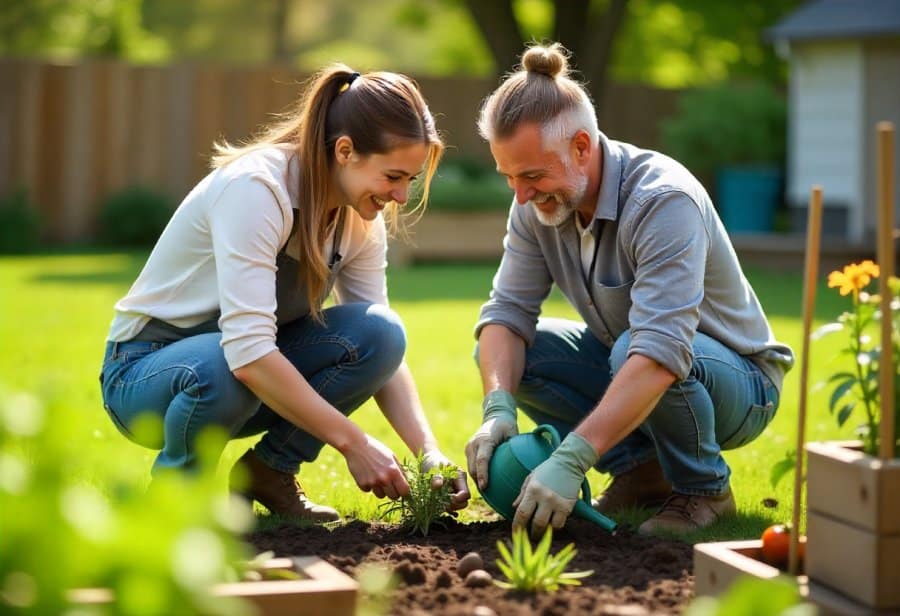
Deepening Connections: Practical Practices to Cultivate Emotional and Relational Growth
Deepening emotional and relational bonds through gardening often hinges on simple, intentional practices that foster trust, cooperation, and shared understanding. Planting seeds together at the start of a season, for example, symbolizes commitment and partnership, setting a tone of mutual investment. Watching these seeds grow over time becomes a shared journey, reinforcing a sense of purpose and teamwork. Routine activities like watering, weeding, or pruning aren’t just chores—they turn into opportunities for meaningful conversation and collaborative effort that strengthen the connection with each passing task.
Building small traditions within your gardening routine can also deepen bonds. Celebrating the first sprout or dedicating a particular plant to a loved one transforms everyday moments into milestones of emotional significance. These rituals create a sense of shared history and purpose, turning the garden into a sanctuary of trust and patience. As the plants flourish, so does the relationship, rooted in shared care and mutual respect, making the act of tending a symbol of ongoing commitment.
Mindfulness plays a crucial role in nurturing deeper bonds. Focusing on textures, scents, and sights while gardening encourages emotional awareness and empathy. Side-by-side work fosters a quiet, shared presence that enhances understanding and connection. Simple acts like watering or discussing future planting plans open the door for open communication, allowing feelings and thoughts to surface naturally. These calm, intentional moments build a foundation of emotional intimacy that extends beyond the garden.
Facing setbacks together—like pest problems or unpredictable weather—mirrors the patience and resilience needed in relationships. Collaboratively troubleshooting challenges teaches problem-solving and reinforces mutual support. Each obstacle overcome becomes a metaphor for overcoming life’s difficulties, strengthening emotional ties through shared perseverance. Celebrating successes, whether a healthy plant or a bountiful harvest, further affirms the power of working together and nurtures trust.
Trust develops naturally as contributions are recognized and valued. When efforts lead to a thriving garden, it fosters a sense of fairness and mutual respect. Celebrating small wins, like a blooming flower or lush crop, boosts morale and affirms that collective effort yields meaningful results. These shared victories create lasting bonds, rooted in the understanding that patience and care—whether for plants or people—are the keys to growth. Gardening becomes a heartfelt practice that cultivates resilience, empathy, and lasting emotional intimacy for all involved.