The Dodge Charger stands as an unmistakable symbol of raw American muscle and rebellious spirit, embodying decades of innovation, iconic design, and high-performance power. From its roots in the late 1960s to its modern incarnations, this legendary car has continually fueled the primal desire to own the road—its thunderous roar and aggressive stance evoking a visceral connection to freedom and defiance. But what makes the Charger more than just a vehicle? Its evolution reflects a persistent pursuit of performance and attitude, blending nostalgic muscle car rebellion with cutting-edge technology. As the automotive world shifts toward sustainability, the question arises: how will future models maintain their primal roar and commanding presence? Will electric engines preserve the essence of raw power that has defined the Charger for generations? Ultimately, this car is more than metal and engine—it’s an enduring call to the road warriors within us all, igniting a passion that refuses to fade.
Unleashing the Spirit of American Muscle: The Dodge Charger’s Rebellion on Wheels
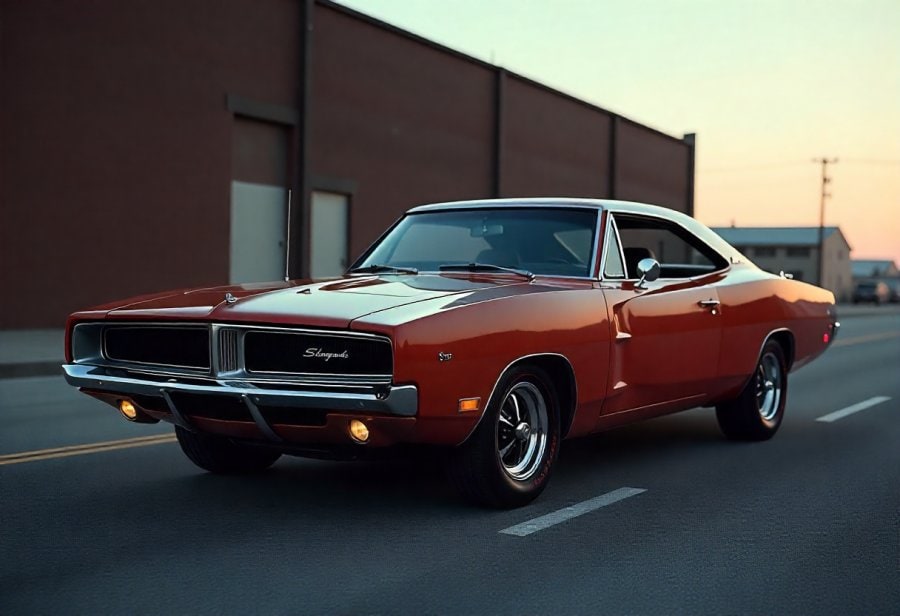
Few machines capture the rebellious spirit of American muscle quite like the Dodge Charger. Since its debut in the late 1960s, this iconic car has become more than just a mode of transportation—it’s a symbol of freedom, power, and attitude on the open road. Its distinctive design, with a long, aggressive hood and wide stance, commands attention wherever it appears. The Charger’s signature four-round taillights and muscular silhouette instantly evoke images of raw, unfiltered muscle car rebellion.
The Charger’s roots run deep in American car culture, representing a time when cars were crafted to push boundaries and challenge norms. Originally launched as a sleek, high-performance option, it quickly earned a reputation as a street racing favorite. Its powerful engines, like the legendary HEMI V8, made it a true beast capable of tearing up streets and tracks alike. Over the decades, its style has evolved—from the boxy, muscle-bound models of the ’70s to today’s modern, aggressive iterations—yet it has always maintained its core identity: a vehicle built for those who crave raw power and independence.
Beyond its performance, the Charger has become a cultural icon. It’s appeared in movies, music videos, and countless street races, reinforcing its role as a symbol of American muscle and street cred. Its roar—whether from vintage HEMI engines or modern supercharged V8s—serves as a rallying cry for enthusiasts who want to own the road and express their rebellious spirit. The Charger isn’t just about speed; it’s about making a statement and feeling alive behind the wheel.
What truly sets the Dodge Charger apart is its ability to embody the primal call of the road. Its aggressive looks and thunderous roar tap into a deep-seated instinct for rebellion and raw power. Driving a Charger is an experience—one where the engine’s growl becomes a part of your own primal energy, stirring a desire to push limits and challenge expectations. It’s a vehicle designed for those who refuse to conform and seek to carve their own path.
Today, the Charger continues to stand as a symbol of American muscle rebellion. Its legacy is built on a relentless pursuit of performance and attitude, inspiring a new generation of drivers to embrace their rebellious side. Whether in classic form or the latest high-performance model, the Dodge Charger remains more than a car—it’s a living reminder of freedom, strength, and the unyielding spirit of muscle car culture.
From Bold Beginnings to Modern Powerhouses: The Evolution of the Dodge Charger
The story of the Dodge Charger begins in the late 1960s, a time when American muscle cars were taking the automotive world by storm. Chrysler aimed to carve out its own space in this competitive market with a bold new model that would stand out from the crowd. The first Chargers, introduced in 1966, featured a sleek, fastback design that immediately signaled performance and attitude. Its long, muscular hood and wide stance set the tone for what would become an enduring icon of street racing and rebellion.
As the late ’60s transitioned into the early ’70s, the Charger evolved both in style and power. Its design kept pace with the muscle car craze, emphasizing bold, aggressive lines and a fastback roof that seemed built for speed. Engine options like the legendary HEMI V8 transformed the Charger into a true street beast, capable of tearing through streets and race tracks alike. The 1969 Charger R/T became a milestone—its striking looks combined with high-performance options, cementing its reputation as a symbol of raw, unrestrained power.
Throughout the 1970s, shifting safety standards and regulations prompted design changes. The Charger adopted boxier, more subdued shapes, but fans still appreciated its performance roots. Despite these shifts, the essence of the muscle car rebellion remained alive within the model’s DNA. By the late ’80s and early ’90s, the Charger’s popularity waned as it became more practical, but the passionate community of enthusiasts kept its spirit alive.
The late 1990s marked a turning point with Chrysler’s revival of the Charger. This new iteration blended nostalgic design elements with modern technology, giving the car a contemporary look while respecting its heritage. Wide stances, bold grilles, and aggressive styling cues made the modern Chargers stand out once again. High-performance engines, including supercharged V8s like those in the SRT Hellcat, reaffirmed the Charger’s role as a modern muscle car with cutting-edge power.
Today’s Dodge Charger continues this legacy, combining its storied past with innovative engineering. It retains the primal appeal of its roots—powerful engines, muscular lines, and a commanding presence—while incorporating modern safety and technology features. The evolution of the Charger reflects a commitment to maintaining its legendary status as a street-racing icon and a symbol of American muscle rebellion.
The journey from a sleek, high-performance machine to an enduring cultural icon demonstrates the Charger’s resilience. Each generation has built on the last, pushing boundaries and adapting to changing tastes and technologies. Yet, it remains true to its core identity: a vehicle that embodies raw power, rebellion, and independence. The Charger’s development is a testament to its ability to evolve without losing the primal spirit that has made it an icon for decades.
Primal Power and Rebellion: The Cultural Heartbeat of the Dodge Charger
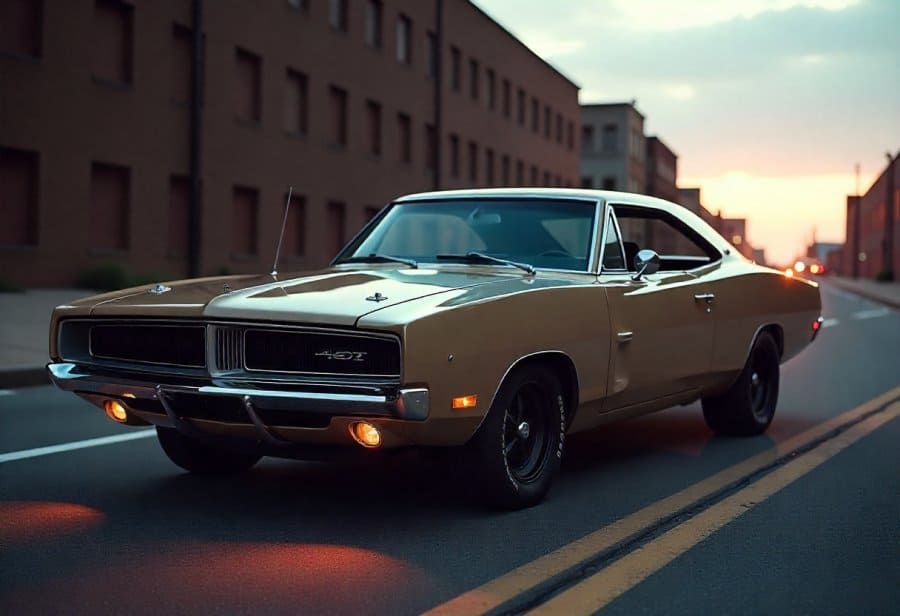
The Dodge Charger’s appeal runs deeper than just impressive horsepower or striking design; it taps into something primal—our innate desire for rebellion and raw power that resonates across generations. Its growling engine and commanding stance evoke a sense of untamed energy, reminding us of America’s roots in muscle car culture rooted in freedom and defiance. The Charger isn’t merely about transportation; it’s a bold statement, a declaration of independence delivered through every rumble and roar.
This car embodies the rebellious spirit that dares you to break free from conformity. Its broad, aggressive lines and wide grille scream confidence and strength, visually demanding attention wherever it appears. The visceral sound of its engine isn’t just noise—it’s a primal call, stirring a deep-seated instinct to push boundaries and dominate the road. From vintage models to modern monsters like the SRT Hellcat, the Charger’s roar remains a symbol of unfiltered power and attitude.
Driving a Charger is an experience that fuels this primal appeal. The deep, guttural engine sound becomes an extension of your own energy—an audible reminder that this vehicle is built for those who seek the thrill of street racing and high-speed freedom. Whether revving at a traffic light or tearing down open highways, that roar awakens a desire to challenge limits and own the road with unrestrained confidence.
What makes the Charger especially captivating is how it visually and audibly captures the essence of muscle car rebellion. Its badges, racing stripes, and muscular silhouette serve as symbols of defiance. The legendary growl of its engine isn’t just sound; it’s a primal call echoing its storied past in street racing and adrenaline-fueled adventures. This relentless attitude and commanding presence have cemented its role as an icon of raw power and independence.
Culturally, the Charger stands as more than just a vehicle—it’s an enduring symbol of American muscle and street cred. Its appearances in movies, music, and street racing scenes reinforce its identity as a beast that embodies strength and rebellion. Whether from a vintage rumble or the modern fury of a supercharged engine, the Charger’s presence sparks excitement and a sense of defiance, connecting drivers to a time when muscle cars represented unfiltered freedom.
Despite the rise of environmentally friendly vehicles, the Charger’s primal allure remains unshaken. It serves as a reminder of an era when driving was about owning your power and embracing rebellion, not just efficiency. Its legacy continues to inspire new generations to seek that raw, untamed energy, ensuring the Charger’s role as an icon of rebellion and raw American muscle endures.
In the end, the Charger’s primal appeal isn’t just about speed—it’s about the visceral feeling of power and independence it evokes. It invites drivers to tap into their most rebellious, unrestrained selves. That connection to primal road power and rebellious spirit keeps the legend alive, inspiring enthusiasts and newcomers alike to embrace their raw, untamed side. The Charger remains a true icon of American muscle—more than a car, it’s a call to the road warriors within us all.
Commanding Presence: How Design and Culture Shape the Charger’s Street Dominance
The Dodge Charger’s bold design isn’t just about catching the eye—it shapes how the car feels on the street and how others perceive its presence. Its wide stance, muscular lines, and aggressive grille create an unmistakably commanding look that demands attention wherever it appears. When a Charger rolls into a parking lot or accelerates down the highway, its street presence is impossible to ignore. That aura of authority and power is felt even before the engine roars, making it clear this isn’t just a vehicle—it’s a statement.
This commanding look isn’t purely aesthetic; it reflects the car’s primal road power and rebellious attitude. The broad silhouette and muscular profile give the Charger a sense of stability and control, inspiring confidence behind the wheel. As you press the accelerator, design elements like large wheels and bold lines work together with its performance capabilities, making each burst of speed feel like an assertion of dominance. Its visual cues signal to everyone around that this is a street racing beast built to own the road.
The deep, guttural growl of the engine enhances the Charger’s primal appeal and street cred. Starting it up is an event—an auditory reminder of its raw power. Whether revving at a traffic light or tearing through city streets, that roar becomes part of the driving experience. Many owners modify their Chargers with exhaust upgrades and suspension tweaks, amplifying both sound and handling. These enhancements turn a stock muscle car into a personalized beast that mirrors its owner’s rebellious spirit.
Maintaining the Charger’s street presence requires regular care and strategic upgrades. Routine inspections, quality parts, and tuning preserve its powerful engine and fierce sound. Proper maintenance isn’t just about reliability; it’s about safeguarding the essence of what makes the Charger legendary—its commanding design, primal sound, and street-ready attitude. For owners, these efforts reinforce the connection between the vehicle’s visual impact and its performance on the road.
The Charger’s design and culture are deeply intertwined with the driving experience. Its commanding appearance invites admiration and respect, but it also creates a visceral link that elevates every journey. From the roar of its engine to its aggressive stance, everything about the Charger reinforces its role as a street racing beast and icon of rebellion. Its bold form and powerful sound serve as a reminder of its roots in American muscle culture, ensuring it remains an enduring symbol of strength and attitude on the street.
Legends Continue: The Future of the Dodge Charger and the Enduring Spirit of Muscle Cars
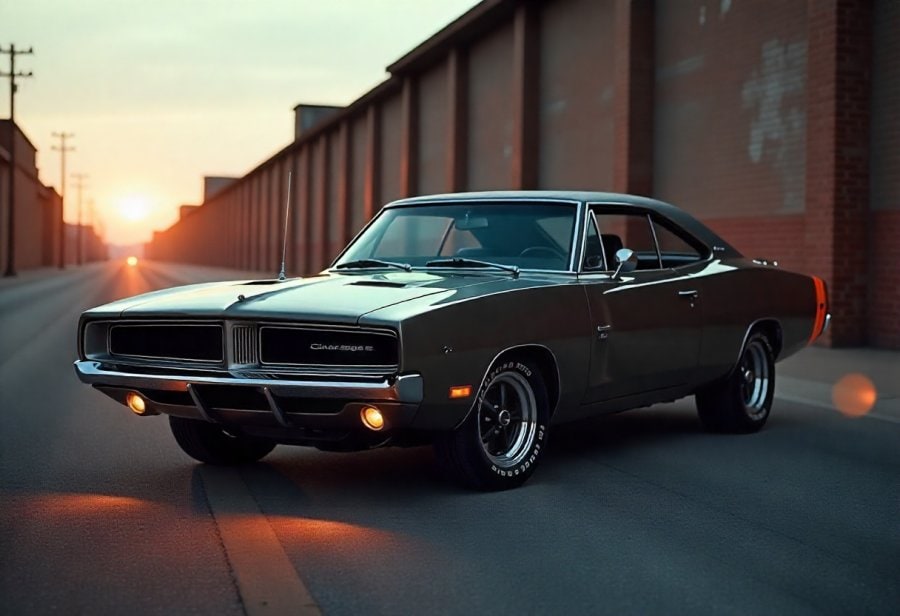
The Dodge Charger’s legendary status as a symbol of raw American muscle and rebellious spirit remains as compelling today as it was when it first roared onto the streets. Its bold design, thunderous roar, and storied history have cemented its place in automotive culture, inspiring enthusiasts and newcomers alike to embrace the primal energy of the open road. As technology advances, the future of muscle cars like the Charger will likely blend tradition with innovation, raising questions about how they can maintain their commanding presence and raw sound with electric or hybrid powertrains. Yet, the core attitude—bold, aggressive, and rebellious—will probably endure, carrying the Charger’s legacy into new eras.
The Charger’s influence goes beyond performance metrics; it embodies a cultural identity rooted in independence and strength. Its iconic look and legendary growl serve as physical expressions of a desire to break free from conformity and own the road. Even as environmental concerns reshape the automotive landscape, the Charger continues to evoke a visceral connection that many see as essential to the muscle car experience. Its presence on the street is more than just about speed—it’s an assertion of personality and attitude that refuses to fade, inspiring future drivers to seek that primal thrill.
Looking ahead, the challenge for the Charger and other muscle cars is to evolve without losing their essence. Integrating new technologies like electrification offers opportunities to preserve the raw power fans love, but it also demands creativity in replicating the visceral sound, the aggressive visuals, and the feeling of unfiltered freedom. Will future models find ways to maintain that primal roar and street presence with electric motors? Or will they need to carve out a new form of rebellion? These questions lie at the heart of muscle car evolution, balancing heritage with the push for sustainability.
Despite these shifts, the spirit of the Dodge Charger as a rebellious icon is likely to persist. Its bold design and attitude are ingrained in American automotive history, symbolizing more than just speed—they represent independence, strength, and the unyielding desire to own the road. As new generations take the wheel, they will continue to connect with that primal energy, whether through traditional engines or innovative powertrains. The Charger’s legacy isn’t just about the past; it’s about inspiring future drivers to embrace their untamed side and keep the primal call to the road loud and clear.
Ultimately, the Charger remains a testament to the enduring appeal of American muscle. Its story of resilience and adaptation reflects a changing technological landscape while staying true to its rebellious core. The primal call to own the road has not diminished—in fact, it has grown stronger as the vehicle evolves. Whether powered by roaring V8s or silent electric motors, the essence of power, attitude, and rebellion continues to inspire. The Charger is more than a car; it’s a living legend that encourages each new generation to tap into their primal instincts and keep the spirit of muscle car rebellion alive.