Imagine transforming your outdoor space into a safer, more energy-efficient haven with smart lighting that responds seamlessly to your routines and environment. How far can automation really go? From programmable timers that ensure your lights shine only when needed to motion sensors that activate illumination upon detecting movement, these systems dramatically enhance security and convenience. Integrated with smartphones and voice assistants, they make controlling your outdoor ambiance effortless—whether you’re at home or away. But the future promises even more: AI-driven systems that learn your habits, environmental sensors that adapt to weather conditions, and deeper integration with your entire smart home ecosystem. As technology advances, outdoor lighting will become smarter, more responsive, and visually stunning, blurring the line between utility and artistry. Could this be the next step in creating outdoor environments that are not only beautifully lit but also inherently safe, sustainable, and personalized?
Transform Your Toronto Outdoor Space with Expert Landscaping
Discover the difference that Toronto Landscape & Design can make for your property. Our award-winning designers take everything into consideration to create stunning outdoor environments tailored to your needs. Whether you’re dreaming of a backyard makeover or seeking a comprehensive professional landscaping solution, we specialize in natural stone features, water gardens, irrigation systems, and retaining walls that enhance your Toronto home’s curb appeal. Turn your outdoor space into a relaxing backyard retreat with our expert team. Contact us today at 1.416.644.0499 or email [email protected] to start your transformation.

Transform Your Outdoors with Smart Lighting: Convenience Meets Innovation
Smart outdoor lighting is changing the way homeowners brighten their outdoor spaces, making illumination more connected, convenient, and responsive. Unlike traditional lights that rely on manual switches or basic timers, smart systems can be controlled from anywhere using smartphone apps or voice commands. This flexibility means you can turn your outdoor lights on or off remotely, whether you’re relaxing inside, hosting guests, or away on vacation. It’s a simple upgrade that adds a new level of ease and control to outdoor living.
At the core of these systems are features like motion sensors and ambient light detectors. Motion sensors automatically activate lights when movement is detected, providing both safety and security by illuminating pathways, driveways, and entry points precisely when needed. Ambient light sensors adjust brightness based on natural sunlight, ensuring your outdoor lighting is effective without wasting energy. These sensors work together with programmable schedules, allowing you to set specific times for your lights to turn on or off, matching your routines and reducing unnecessary energy consumption.
The shift from traditional to smart outdoor lighting reflects ongoing technological progress aimed at enhancing efficiency and convenience. Previously, outdoor lights depended on manual switches or timers, which often led to wasted energy when lights remained on longer than necessary. Today’s smart systems incorporate internet connectivity and responsive sensors, transforming outdoor lighting into an automated, energy-efficient part of your home. This evolution not only improves security and aesthetic appeal but also supports sustainable living by reducing electricity use.
Most smart outdoor lighting solutions combine these features—timers, sensors, and connectivity—to create a seamless experience. You can schedule lights to match sunset and sunrise times or activate them with a simple tap on your phone. Voice assistants allow effortless control, so you can say, “Turn on the porch lights,” from anywhere in your home. When these elements work together, they make outdoor spaces safer, more inviting, and more energy-efficient, all while reducing your environmental footprint.
Recent innovations have made installing and using smart outdoor lighting easier and more affordable. LED technology offers longer-lasting, energy-saving bulbs, while improved sensor accuracy minimizes false triggers. Integration with popular smart home platforms simplifies control, allowing you to manage indoor and outdoor lighting through a single app. These advancements make smart outdoor lighting accessible to a wide range of homeowners, transforming outdoor areas into safer, more stylish, and environmentally friendly spaces.
Making the switch to smart outdoor lighting is a practical step toward modernizing your home. It combines automation, remote control, and intelligent sensors to provide reliable illumination exactly when you need it—saving energy, deterring intruders, and enhancing your outdoor ambiance. As technology continues to evolve, these systems will become even more integrated into daily routines, making outdoor spaces smarter, safer, and more responsive than ever before.
Core Components Unveiled: How Smart Outdoor Lighting Works
Smart outdoor lighting systems are built around a few core components that work together to create a connected and manageable outdoor environment. The most essential are LED-based fixtures or bulbs, which are energy-efficient, long-lasting, and capable of adjusting brightness and color to suit different moods or needs. These fixtures connect to your home’s Wi-Fi network directly or via a central hub, allowing you to control them remotely through smartphone apps or voice commands. This setup provides flexibility and simplifies management, whether you’re at home or away.
Sensors play a crucial role in automating outdoor lighting. Motion detectors and ambient light sensors automatically activate lights when movement is detected or natural light drops below a certain level. This responsiveness ensures your outdoor spaces are illuminated only when necessary, boosting security and conserving energy. Programmable timers and scheduling features further enhance automation by allowing you to set specific on and off times that align with your routines, minimizing unnecessary power usage and extending the lifespan of your fixtures.
The evolution of smart outdoor lighting reflects advances aimed at making outdoor spaces more efficient and user-friendly. Traditional systems depended on manual switches or simple timers, often leading to energy waste when lights stayed on longer than needed. Modern solutions incorporate sensors and internet connectivity, transforming outdoor lighting into an intelligent, automated feature of your home that enhances safety while reducing environmental impact.
Most systems combine timers, sensors, and connectivity options like Wi-Fi or Bluetooth to maximize convenience. Timers can be set to turn lights on at sunset and off at sunrise or during specific hours, while sensors respond instantly to movement, providing targeted illumination. Voice assistants enable hands-free control, allowing you to issue commands like “turn on the garden lights” effortlessly. This seamless integration creates a reliable, low-maintenance outdoor lighting experience that balances safety, efficiency, and ease of use.
Recent technological advances have made installation and operation more accessible and affordable. LED technology ensures energy savings and longer bulb life, while sensor accuracy has improved, reducing false triggers. Integration with popular smart home platforms simplifies control, enabling you to manage indoor and outdoor lighting through a unified app. These innovations help homeowners create outdoor environments that are safer, more inviting, and environmentally conscious.
Understanding these fundamental components—LED fixtures, sensors, timers, and connectivity—provides a clear picture of how smart outdoor lighting systems work. This knowledge allows you to tailor your setup to your specific needs, blending safety, energy efficiency, and aesthetic appeal. Whether upgrading existing lights or installing a new system, grasping these basics ensures you make informed decisions that enhance your outdoor space’s functionality and beauty.

Efficiency and Security Boosted: The Power of Timers and Sensors
Timers and sensors are the backbone of energy-efficient outdoor lighting, seamlessly blending convenience with safety. Timers allow you to schedule your lights to turn on at dusk and off at dawn or during specific hours, ensuring outdoor spaces are illuminated only when necessary. This automation not only aligns lighting with your daily routines but also prevents unnecessary energy waste, helping lower utility bills and reduce environmental impact.
Sensors, such as motion detectors and ambient light sensors, add a layer of responsiveness that enhances both security and efficiency. Motion sensors activate lights instantly when movement is detected, illuminating pathways, driveways, or entry points precisely when someone approaches. This targeted lighting deters intruders and makes nighttime navigation safer, all while conserving energy by avoiding continuous illumination. Ambient light sensors automatically adjust brightness based on natural light levels, ensuring your outdoor lighting is effective without overpowering the surroundings.
When timers and sensors work together, they create a smart outdoor lighting system that adapts effortlessly to your lifestyle. For instance, you can set porch lights to turn on at sunset and off after midnight, with motion sensors providing extra security during late-night hours. This combination ensures that your outdoor areas are well-lit only when needed, minimizing energy use without sacrificing safety or visibility. It’s a simple yet powerful way to make your outdoor environment more efficient and secure.
Energy savings are a clear benefit of implementing timers and sensors. Automating lighting routines reduces the time lights remain on, translating into lower electricity bills and a smaller carbon footprint. Over time, reduced wear on bulbs means fewer replacements, further supporting sustainability. Plus, automatic illumination during nighttime hours helps prevent accidents and deters potential intruders, adding an extra layer of security for your home.
Beyond conserving energy, these features deliver unmatched convenience. No more manually switching lights on or off—once programmed, your outdoor lighting adapts automatically to changing conditions. Whether you’re coming home after dark or hosting guests, you can rely on your system to provide the right amount of light at the right time, without any extra effort. This hands-free approach makes outdoor lighting a seamless part of your daily routine.
The combination of timers and sensors also enhances safety by ensuring well-lit outdoor paths, entrances, and driveways. Proper illumination reduces the risk of trips and falls, especially in unfamiliar or uneven terrain. It also creates a sense of security, making your property less attractive to potential intruders who prefer darker, less monitored spaces. This strategic lighting acts as both a deterrent and a safety feature, protecting your loved ones and your home.
In summary, timers and sensors transform outdoor lighting from a static utility into a responsive, energy-conscious system. They optimize energy use, extend the life of bulbs, and provide a safer environment—all while maintaining the aesthetic appeal of your outdoor space. By integrating these technologies, you not only enjoy practical benefits but also support a more sustainable and secure home environment. Transform your outdoor space with expert guidance—email [email protected], call 1.416.644.0499, or explore Toronto Landscape Design.
Seamless Integration: Connecting Outdoor Lights with Your Smart Home Ecosystem
Smart outdoor lighting is increasingly designed to integrate seamlessly with other smart home devices, creating a unified, intuitive living environment. Many systems are compatible with popular platforms like Amazon Alexa, Google Assistant, and Apple HomeKit, allowing you to control outdoor lights alongside indoor devices, security cameras, thermostats, and even door locks with ease. This interconnected setup simplifies management—enabling you to create routines that respond to different scenarios and enhance your home’s overall functionality.
Controlling outdoor lighting remotely is one of the key benefits of this integration. Using dedicated smartphone apps, you can turn lights on or off from anywhere—whether you’re at work, on vacation, or simply relaxing inside. Voice commands through assistants like Alexa or Google Assistant make everyday control even more effortless—just speak your request, and the system responds instantly. This hands-free approach saves time and effort, especially when weather conditions are unpredictable or you’re running late.
Automation is where smart outdoor lighting truly shines. You can schedule your lights to turn on at sunset and off at sunrise, aligning with your daily routine. But the real advantage lies in event-driven triggers. For instance, outdoor lights can respond automatically to motion detected by security cameras, illuminating dark corners and deterring intruders before they approach. When linked to your security system, lighting becomes an active part of your home’s defense, providing immediate illumination during suspicious activity.
Beyond security, these integrations extend to environmental responsiveness. Smart weather stations can signal your outdoor lighting to adjust based on weather conditions—dimming during foggy nights or turning on additional lighting during storms. Some systems even coordinate with outdoor irrigation or other landscape devices, ensuring that lighting, watering, and environmental controls work together smoothly without manual intervention, boosting both convenience and landscape health.
Setting up these integrations is straightforward, often guided by user-friendly apps that walk you through connecting devices and creating automation routines. You can assign specific triggers or combine multiple actions—for example, having pathway lights turn on and security cameras activate with one command or event. For those comfortable with technology, this level of customization offers a tailored outdoor experience that enhances security, aesthetics, and energy efficiency.
As smart home technology advances, future systems will become even more intuitive. They’ll learn your habits and adapt automatically—brightening when you approach or dimming when no one is around—reducing your effort and optimizing energy use. These ongoing innovations will make outdoor spaces more responsive, secure, and energy-efficient, seamlessly blending safety, convenience, and style into your home environment.
Looking Ahead: Cutting-Edge Trends Shaping the Future of Outdoor Lighting
Looking ahead, the future of smart outdoor lighting promises a blend of advanced technology and effortless convenience. Artificial intelligence and machine learning will enable systems to adapt seamlessly to your routines, environmental changes, and even personal preferences. Imagine outdoor lights that learn your schedule, automatically brighten as you approach, or dim when no one is around—all without manual adjustments. This level of automation will elevate security and energy efficiency, making outdoor lighting more intuitive and responsive than ever before.
Connectivity protocols like Wi-Fi 6 and 5G are set to revolutionize reliability and responsiveness. These faster, more stable networks will ensure that remote control and automation work flawlessly across larger properties or in challenging environments. As a result, managing outdoor spaces will become smoother, with fewer delays or glitches, supporting a truly integrated smart home ecosystem. Such advancements will facilitate deeper integration with indoor devices, creating a cohesive environment where lighting responds dynamically to weather, security alerts, or indoor climate conditions.
Sensor technology is also poised to evolve beyond motion detection. Future systems will incorporate environmental sensors that monitor air quality, rainfall, noise levels, and more. Outdoor lighting will respond intelligently—brightening during storms or foggy nights, dimming in calm weather—enhancing safety and landscape aesthetics regardless of conditions. These innovations will transform outdoor lighting from a simple utility into an active participant in maintaining a comfortable, visually appealing outdoor environment.
Security features will become more sophisticated, with automated lights reacting instantly to suspicious activity or intrusions. When combined with cameras and alarm systems, lighting will act as a powerful deterrent, illuminating dark corners and alerting homeowners to potential threats in real-time. Remote monitoring and control will give you peace of mind, whether you’re at work or away, with the confidence that your outdoor security network is working effectively behind the scenes.
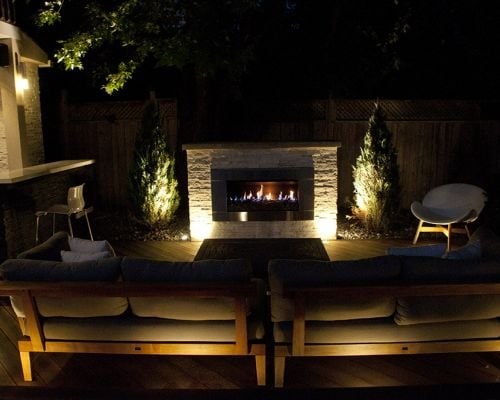
The aesthetic possibilities will expand as lighting systems gain greater customization and design flexibility. Dynamic color-changing fixtures, subtle landscape accents, and integrated architectural lighting will allow homeowners to craft personalized outdoor atmospheres. These designs will not only enhance curb appeal but also create inviting, functional spaces for entertaining or relaxing, all managed effortlessly through intuitive apps or voice commands.
Sustainability will remain a core focus. As energy consumption becomes easier to monitor and optimize, smart outdoor lighting will contribute significantly to reducing carbon footprints. With more precise control over brightness and timing, homeowners can enjoy beautifully lit outdoor spaces while minimizing waste. This eco-conscious approach aligns with broader environmental goals, making smart outdoor lighting a responsible choice for modern living.
Overall, the trajectory points toward outdoor environments that are safer, more energy-efficient, and visually stunning, all driven by smarter, more connected technology. As these systems become increasingly autonomous and integrated, managing outdoor lighting will require less effort and offer greater customization. The future landscape of outdoor lighting will blend innovation with simplicity, transforming how we enjoy and protect our outdoor spaces—making them more responsive, secure, and beautiful than ever before.