Learning to drive is more than just mastering vehicle controls—it’s a profound emotional journey fraught with nerves, doubts, and small victories. Teens stepping into independence often grapple with internal fears that challenge their confidence, turning each new skill into a milestone of growth. Supportive environments, innovative training tools like virtual simulations, and gradual licensing systems help transform hesitation into self-assurance. But does the road to confidence truly ease the internal struggles, or do these anxieties evolve as skills develop? Personal stories reveal that patience, celebration of progress, and peer support are vital in turning nervous beginners into capable drivers. As technology advances and policies adapt, the future promises even richer opportunities for teens to confront their fears and build resilience. Ultimately, the journey towards confident driving is as much about emotional strength as technical skill, raising an important question: can we ensure every teen feels fully prepared—mentally and practically—for the road ahead?

Embark on the Emotional Journey of Teen Driving Confidence
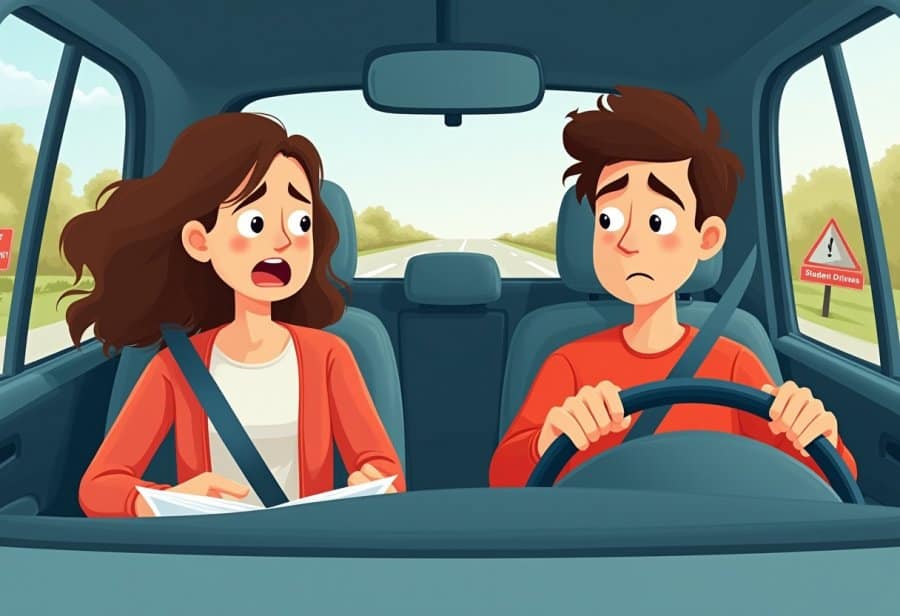
Learning to drive is a significant milestone, especially for teenagers stepping into independence. It’s a moment filled with emotions—excitement, pride, and sometimes a fair share of nerves. Behind the wheel, many teens find themselves caught in a whirlwind of feelings: eager to prove themselves yet unsure of their abilities. This emotional mix isn’t just about mastering the mechanics of driving; it’s about managing new responsibilities and internal fears that can feel overwhelming.
Those nerves are perfectly normal. In fact, initial hesitation and self-doubt are common among new drivers. Early practice sessions, whether in quiet neighborhoods or empty parking lots, often evoke feelings of uncertainty. Simple tasks like merging onto a highway or navigating a busy intersection can seem intimidating at first. Recognizing that these feelings are part of the learning process helps teens approach driving with patience and resilience instead of frustration.
Building confidence doesn’t happen overnight. It’s a gradual journey shaped by small victories and supportive environments. Celebrating moments like confidently parking or smoothly making a turn reinforces progress and shifts focus away from mistakes. When teens see tangible signs of improvement, they begin to trust their skills and believe in their ability to handle more complex situations. This emotional growth is just as crucial as technical mastery.
Support from parents, instructors, and peers plays a vital role in this process. Encouragement, patience, and understanding create a safe space for teens to grow more confident. When mistakes are viewed as stepping stones rather than failures, it fosters a growth mindset that helps teens stay motivated. As they gain experience, their internal doubts gradually give way to a sense of self-trust—turning nervous beginners into drivers who feel more in control.
Ultimately, learning to drive is about more than just operating a vehicle. It’s a journey of self-discovery and emotional resilience. Each mile driven reveals new strengths—patience, focus, independence—while also exposing areas for improvement. This process of transforming nerves into confidence sets the foundation for responsible, confident drivers who are ready to take on the road and their next chapter of independence.
Conquer Fears with Proven Strategies and Calm Approaches
To help teens conquer their driving fears, starting with small, manageable steps makes a big difference. Beginning in quiet neighborhoods or empty parking lots allows them to get comfortable behind the wheel without feeling overwhelmed. These low-pressure drives provide early wins that boost confidence and gradually reduce anxiety. Celebrating simple successes—like smoothly parking or confidently merging onto a calm street—reinforces progress and encourages continued effort.
Breathing exercises and mindfulness techniques are quick, effective tools for calming nerves during drives. Deep breaths, counting to three before a tricky maneuver, or focusing on the present moment can help teens stay relaxed when facing challenging situations. Developing these skills in real-time enables them to handle surprises—like sudden stops or tricky turns—with greater calm, turning stress into a sense of control.
Breaking complex driving tasks into small, achievable steps helps prevent feeling overwhelmed. Instead of trying to master everything at once, teens can focus on perfecting one skill, such as parallel parking, before moving on to more demanding challenges like highway driving. This approach creates clear milestones, making progress tangible and boosting confidence with each achievement. Repeated practice in safe environments makes skills feel second nature and diminishes hesitation.
Support from parents and instructors is essential in this process. Positive reinforcement, patience, and constructive feedback help teens see mistakes as part of learning, not failures. Encouraging a growth mindset—that effort and persistence matter—builds resilience and motivates teens to push through setbacks. When teens feel supported and understood, their internal doubts fade, replaced by a belief in their ability to improve.
Setting realistic, incremental goals also plays a crucial role. A teen might aim to navigate a busy intersection after mastering quiet streets or practice merging onto highways once they’re comfortable on local roads. These smaller targets foster a sense of accomplishment and prevent frustration. As confidence grows through these incremental steps, nerves give way to a feeling of mastery and readiness.
Incorporating technology further bolsters confidence. Virtual reality driving simulators and interactive apps allow teens to rehearse complex scenarios safely, from adverse weather to emergency stops. Repeated exposure to these virtual environments familiarizes them with difficult situations, making actual driving less intimidating. This blend of tech and practice creates a supportive space for teens to build skills and emotional resilience, easing their transition into confident driving.

Harness Innovation and Programs to Boost Teen Road Confidence
Building confidence on the road today involves a combination of innovative programs and practical strategies that help teens feel more prepared and self-assured behind the wheel. Many driver education courses now incorporate advanced tools like simulation technology and virtual reality experiences, allowing teens to practice handling complex traffic scenarios in a safe environment. These tools help familiarize young drivers with challenging situations—such as merging onto busy highways or navigating tricky intersections—before they face them in real life. This exposure reduces anxiety and boosts trust in their abilities when they’re actually on the road.
Parental involvement remains a key element in fostering teen confidence. Modern programs emphasize guiding parents on how to support their teens effectively, focusing on positive reinforcement and setting achievable goals. When parents celebrate small victories—like executing a smooth lane change or parking confidently—it reinforces progress and encourages teens to keep pushing forward. Supportive feedback and patience help create a safe space where mistakes are viewed as part of the learning process rather than failures, building resilience and trust.
Community initiatives also play a significant role in normalizing the learning journey. Peer mentoring programs, where experienced young drivers share their stories and tips, help demystify fears and foster a sense of shared experience. These programs often include group drives, workshops, or online support networks that make learning less isolating. Seeing peers succeed and overcome their nerves provides reassurance that confidence is attainable, especially when guided by supportive mentors who understand the challenges.
Gradated licensing systems have become instrumental in building confidence gradually. Instead of granting full driving privileges all at once, these systems restrict new drivers from high-risk situations—such as nighttime driving or carrying multiple passengers—until they gain more experience. This step-by-step approach allows teens to develop skills and emotional resilience at a comfortable pace, easing anxiety and reducing the feeling of being overwhelmed. It’s a practical way to let confidence grow alongside competence.
Emerging technology continues to reshape driver training. Virtual reality and augmented reality platforms simulate real-world traffic conditions, including adverse weather and emergency scenarios. Repeated practice in these virtual environments helps teens develop muscle memory and emotional stability, making actual driving feel less intimidating. By becoming familiar with difficult situations in a controlled setting, teens can approach the road with greater calm and confidence, turning fear into competence.
When these programs and policies are combined, they create a comprehensive support system that nurtures teen drivers at every stage. Schools and driving schools integrating VR and AI tools, along with policies promoting gradual independence, help teens build confidence in a structured way. Supportive families and peer networks reinforce these efforts, ensuring that emotional resilience keeps pace with skill development. This holistic approach transforms the journey from nervous beginner to confident driver into an empowering experience.
In the end, boosting teen confidence isn’t just about technical skills; it’s about fostering emotional strength and resilience. By combining innovative training methods, supportive policies, and community involvement, we create an environment where teens can approach driving as a positive challenge. As they develop trust in their abilities and face new situations with calm, they lay the foundation for a lifetime of responsible and confident driving.
Real Stories of Nerves, Growth, and Triumph in Teen Driving
Many teens describe their journey to confident driving as a mixture of nerves and small victories. Sarah recalls her first solo drive around the neighborhood—her hands trembling and heart pounding—but feeling an overwhelming sense of pride afterward. Her parents often emphasize progress over perfection, celebrating moments like mastering a tricky turn or parking spot. These small wins help reinforce that building confidence is a gradual process, one step at a time.
Instructors see a familiar pattern: hesitant students gradually become more self-assured through consistent practice and positive feedback. They share stories of teens who initially avoided complex situations but later approached them with calm focus, thanks to patience and encouragement. These experiences highlight how trust and support turn initial fears into growing confidence.
Peer support plays a vital role as well. Emma remembers practicing with friends and trying virtual driving simulations, which made her feel less anxious. Knowing others shared her fears normalized the challenges, making her more willing to learn from mistakes. These shared experiences show that confidence builds when teens feel understood and supported by peers who’ve faced similar struggles.
Parents often recount watching their teens shift from hesitant beginners to confident drivers. Many talk about guiding their kids with patience, celebrating small successes like merging onto highways or parallel parking. Seeing these breakthroughs not only boosts the teen’s confidence but also creates a more positive, less stressful learning environment for everyone involved.
For some teens, overcoming specific fears depends on mastering smaller skills first. One girl practiced in empty parking lots, gradually gaining control and comfort. Repeating these low-stress drills helped her build trust in her abilities, demonstrating that breaking the learning process into manageable steps can turn nerves into confidence and foster a sense of mastery.
These personal stories reveal that driving confidence isn’t just about technical skill; it’s fundamentally about emotional resilience. Staying calm under pressure, trusting oneself, and viewing mistakes as opportunities for growth are key. When teens experience patience, practice, and support, they transform initial nerves into a sense of empowerment—laying the groundwork for responsible, confident driving that lasts a lifetime.
Exploring Future Innovations and Policies to Foster Teen Confidence
Looking ahead, technology promises to revolutionize how teens build confidence behind the wheel. AI-powered training platforms and virtual reality simulations are advancing rapidly, offering increasingly personalized and immersive practice scenarios. Teens will soon be able to rehearse complex traffic situations—like navigating busy highways or handling adverse weather—without any real-world risks. Such exposure helps reduce anxiety and prepares them for real driving with greater calm and competence.
Policy reforms are also shaping the future of teen driver education. Many regions are adopting graduated licensing systems that gradually expand a young driver’s privileges over time. Restrictions on nighttime driving or passenger limits are put in place initially, giving teens space to develop skills and emotional resilience at a manageable pace. This step-by-step approach recognizes that confidence isn’t built overnight but through consistent, incremental experience.
Emerging trends emphasize emotional preparedness alongside technical skills. Peer mentorship programs, where experienced young drivers share their journeys, are gaining popularity. These initiatives help normalize fears and foster a sense of shared understanding. Incorporating stress-management techniques and mindfulness into training helps teens stay calm under pressure, transforming anxiety into resilience. When emotional strength is part of the equation, teens are more likely to approach driving challenges with confidence and composure.
Advances in accessible technology are making driver education more inclusive. Virtual and augmented reality tools are becoming more affordable and widespread, allowing teens in remote or underserved areas to simulate real traffic conditions. This democratization of training resources means more young drivers can prepare thoroughly before hitting the road, reducing nerves and increasing safety from the start. Combining these innovations with supportive policies creates a comprehensive system that nurtures confidence at every stage.
Collaboration among educators, policymakers, tech developers, and families will be key to maximizing these innovations. Schools and driving programs integrating VR and AI tools can offer richer, more effective training. Meanwhile, policies promoting gradual independence ensure teens aren’t rushed into high-pressure situations before they’re ready. Families and communities supporting emotional resilience and peer networks reinforce the technical skills, making the journey from nervous beginner to confident driver smoother and more empowering.
As these technological and policy advancements continue to evolve, the goal remains clear: to create safer, more supportive environments where teens feel truly prepared for the road ahead. These efforts help transform fear into confidence, making the transition into independent driving not just safer but also more positive and affirming. The future of teen driver confidence is one of innovation, patience, and shared responsibility— paving the way for a generation of responsible, self-assured drivers.