Behind every safe, functional home lies the meticulous craft of electricians who transform complex wiring plans into reliable power systems. Their work demands a mastery of technical skills, strict adherence to safety standards, and an eye for detail—skills honed through rigorous training and ongoing education. How do these professionals navigate the challenges of limited space, outdated infrastructure, and unforeseen obstacles while maintaining precision and safety? Their disciplined routines—from interpreting blueprints to testing circuits—ensure each connection is secure and durable. The artistry of wiring, troubleshooting, and troubleshooting isn’t just about functionality; it’s about creating a safe sanctuary for families, built on the foundation of expertise, vigilance, and adaptability. In a world increasingly dependent on seamless electrical systems, their dedication turns chaos into dependable power—yet the question remains: what truly makes their work so trustworthy and resilient?
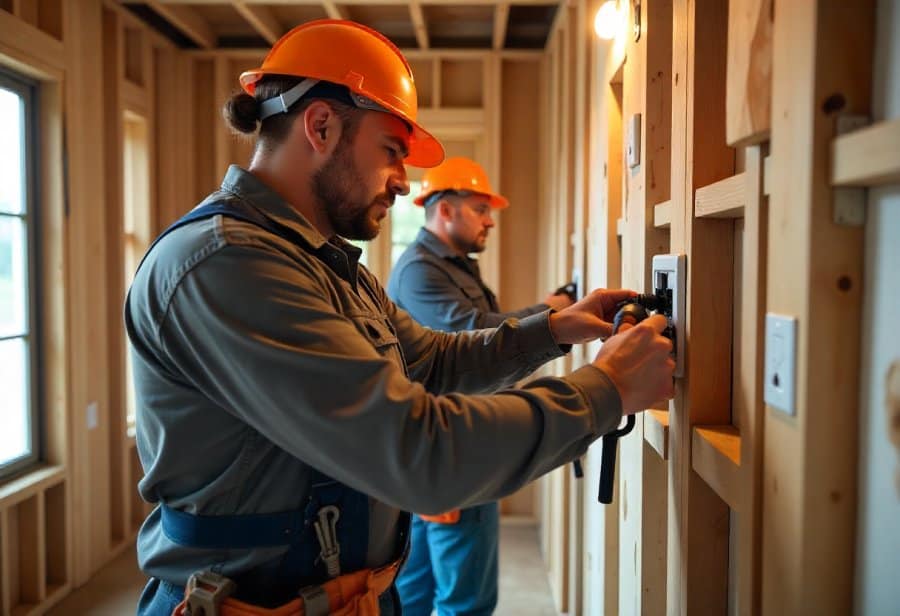
Harnessing Safety, Precision, and Skill to Power Reliable Homes
Electrical work in homes may seem straightforward, but behind the scenes, it demands a high level of safety, precision, and skill. Electricians are the unsung heroes who keep our daily lives powered, transforming complex wiring plans into safe, functional systems. Their work involves careful planning, selecting the right components, and following strict safety standards to ensure reliability and safety over time.
The technical expertise required is diverse. Electricians interpret detailed diagrams, route wires accurately, and troubleshoot issues safely. Knowledge of electrical codes, like the National Electrical Code (NEC), guides their decisions and ensures their work meets national safety standards. Staying current with these regulations is essential, as safety practices evolve with advances in technology and building practices.
Safety awareness goes beyond just knowing the rules; it’s a mindset ingrained in every task. Electricians de-energize circuits before working on them, wear protective gear, and routinely inspect their tools. These habits help prevent accidents and protect both workers and homeowners throughout each phase of the project. Proactive safety measures are second nature, built on discipline and experience.
Precision during installation is critical. Electricians carefully route wires, ensuring proper connections and balanced circuits. They use specialized tools like fish tapes, thermal cameras, and conduit benders to navigate tight spaces and detect hidden problems. This meticulous approach not only guarantees the system’s functionality but also its long-term durability, reducing the risk of future faults or hazards.
Troubleshooting and testing are vital steps. Electricians verify that circuits are energized correctly, connections are secure, and systems perform as intended. They employ tools such as voltage testers and multimeters to identify potential issues early—hot spots, loose connections, or damaged wiring—addressing problems before they become hazards. This careful process ensures the safety and reliability of the entire system.
Mastering electrical work involves ongoing learning. Most electricians start with apprenticeships that combine classroom instruction with hands-on experience. Continuing education is crucial, as updates to codes, safety standards, and new tools require regular refreshers. This dedication to growth ensures they can handle increasingly complex projects with confidence and safety.
Ultimately, electrical work isn’t just about installing wires; it’s about creating dependable power systems that stand the test of time. It demands a combination of technical skill, disciplined safety awareness, and a commitment to quality. Electricians’ expertise ensures our homes remain safe, functional, and ready to support modern life.
Mastering Essential Skills and Knowledge for Electrician Excellence
Electricians depend on a solid foundation of technical skills and a keen safety awareness to get the job done right. Being able to interpret electrical diagrams is fundamental—reading blueprints accurately ensures wiring is installed correctly from the start and helps prevent costly mistakes down the line. Proper installation of wiring, outlets, and switches requires not only precision but also familiarity with a wide range of tools and materials. The ability to troubleshoot quickly and effectively stems from understanding how systems should function, allowing electricians to identify issues like faulty connections or damaged wires before they cause problems.
A deep knowledge of electrical codes and standards is just as crucial as hands-on skills. Regulations such as the National Electrical Code (NEC) set clear guidelines for wiring methods, circuit protection, grounding, and device placement. Staying current with these standards isn’t optional; it’s essential for ensuring safety and compliance. Electricians who understand and apply these codes demonstrate professionalism and give homeowners confidence that their electrical systems are safe and up to date.
Safety awareness goes beyond knowing the rules. Electricians must actively recognize potential hazards like live wires, exposed conductors, or faulty connections. De-energizing circuits before working on them, wearing appropriate protective gear, and routinely inspecting tools are all part of a disciplined safety routine. This proactive approach helps prevent accidents, safeguarding both the worker and the home’s occupants throughout every phase of the project.
Practical skills such as wiring, testing, and troubleshooting depend heavily on the right tools and techniques. Electricians use wire strippers to remove insulation carefully, ensuring secure, reliable connections. Voltage testers and multimeters verify that circuits are de-energized before work begins and confirm proper operation afterward. Fish tapes facilitate navigation through tight conduit spaces, minimizing damage and reducing the risk of faults. Mastering these tools and techniques ensures that complex wiring plans translate into safe, long-lasting systems.
Becoming a professional electrician involves more than just hands-on experience. Most start with structured training programs that combine classroom learning with apprenticeships, covering electrical theory, safety procedures, and local codes. Licensing exams validate their competency, and ongoing education keeps their skills sharp amid evolving technologies and safety standards. This continuous learning process enables electricians to confidently manage increasingly complex projects while maintaining the highest safety standards.
Discipline and attention to detail are vital for creating safe electrical systems. Every connection should be double-checked, wires labeled accurately, and grounding verified before powering up. Small oversights, like loose connections or incorrect routing, can lead to serious hazards later. Taking the time to verify each step not only reduces risks but also builds trust, ensuring the system’s safety and longevity.
Handling unforeseen challenges demands adaptability and calm problem-solving. Outdated wiring infrastructure, limited space, or unexpected obstacles often require quick thinking and creative solutions. Electricians must troubleshoot on the fly, making precise adjustments without compromising safety. Their ability to stay focused and flexible ensures projects stay on track and that the final system remains reliable and safe for years to come.
Your Top Choice for Expert Electrical Services in the Greater Toronto Area
North York Electricians (NYE) is the leading provider of residential electrical solutions in the Greater Toronto Area. Whether you need Professional electrical installation or reliable residential electricians, NYE offers comprehensive services including home wiring, lighting design and upgrades, and troubleshooting. Our team specializes in installing and configuring smart home devices like smart switches, thermostats, security systems, and full home automation setups. We are committed to eco-friendly solutions, upgrading homes with energy-efficient LED lighting, energy-saving panels, and sustainable electrical designs. For a seamless experience and top-quality service, contact us at (416) 508-0206 or visit https://electriciansnorthyork.com/ for expert lighting and electrical service. Trust NYE to keep your home safe, efficient, and smart.
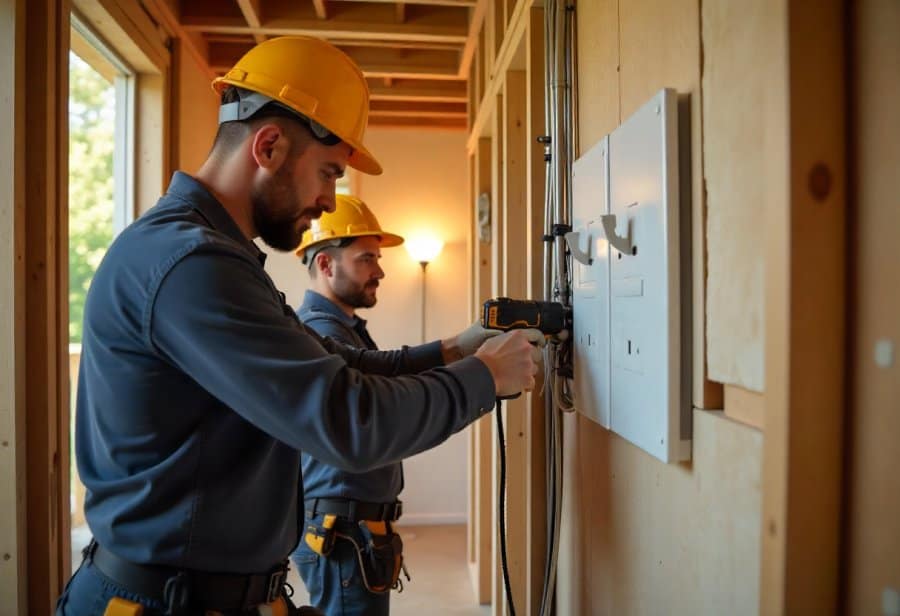
Transforming Complex Wiring into Dependable Power Systems
Electricians face the challenge of turning intricate wiring plans into safe, reliable home power systems. They start by thoroughly analyzing blueprints and assessing existing structures to develop a clear, organized wiring strategy. This careful planning is crucial; it helps prevent mistakes and ensures each wire fulfills a specific purpose without creating chaos. Skilled electricians select appropriate materials and tools, considering factors like space limitations and future upgrades, aiming to craft a wiring layout that’s both efficient and safe. This meticulous approach minimizes overload risks and reduces the potential for faults over time.
During installation, precision remains paramount. Electricians follow their detailed plans, routing wires carefully and making secure, tight connections. They pay close attention to circuit load balancing and grounding, which are vital for safety. Specialized tools like fish tapes and conduit benders help navigate tight spaces and tricky angles, preventing damage to wires and components. This disciplined process ensures the system isn’t just functional but built to last, capable of handling daily demands without failure. Every connection is double-checked, and labels are applied to streamline future maintenance.
Once wiring is in place, testing and troubleshooting become essential. Electricians systematically verify that circuits are energized correctly and all connections are secure. They employ voltage testers, multimeters, and thermal cameras to identify hidden issues such as hot spots, loose connections, or damaged wiring. When problems surface, they diagnose and resolve them swiftly, preventing future hazards. This proactive troubleshooting ensures the system’s safety and long-term reliability, transforming a potentially chaotic array of wires into a well-organized, dependable network.
Handling complex wiring projects also requires adaptability. Outdated infrastructure, limited space, or unusual building layouts often demand creative solutions. Electricians must troubleshoot on the fly, making quick decisions that remain aligned with safety protocols. Their ability to adapt and problem-solve in real time keeps projects on track and guarantees that the final system is both safe and reliable. This flexibility ensures that even the most challenging installations meet high standards and function seamlessly for years to come.
Throughout every phase, electricians leverage advanced tools and techniques to maintain safety and precision. Thermal imaging cameras reveal hidden faults, while fish tapes and labeling systems facilitate smooth wiring in confined spaces. Systematic testing and documentation eliminate guesswork, creating organized, durable electrical systems. By combining technical expertise with disciplined execution, electricians turn complex, disorderly wiring into resilient power networks that homeowners can trust. Their craftsmanship ensures that every home’s electrical foundation is safe, efficient, and built to last.
Ensuring compliance with established safety standards is fundamental throughout every stage of wiring installation. For electricians seeking to deepen their knowledge of safety practices, exploring resources on [Electrical safety standards and codes for residential wiring](https://esasafe.com/role/oesc/) can provide valuable guidance. Staying informed about current regulations helps maintain high safety levels and fosters best practices in residential electrical work.
Implementing Best Practices for Safety and Reliability in Electrical Projects
Maintaining high safety standards in electrical work goes beyond simply following regulations—it’s a mindset that should be woven into every step of a project. Electricians who prioritize caution and thoroughness start with careful planning, reviewing blueprints, assessing potential hazards, and gathering all necessary tools and protective gear before beginning. Rushing through these initial stages increases the risk of mistakes, so discipline and patience are essential to ensure safety is never compromised for speed.
A systematic approach is the backbone of reliable electrical work. Developing routines—such as de-energizing circuits before starting, verifying circuits are dead with tested tools, and following a consistent sequence—helps reduce errors. These habits, practiced consistently, become second nature, making safety protocols automatic even under tight deadlines or complex conditions. Regularly inspecting tools for damage and ensuring they are in good condition is equally important to prevent accidents caused by faulty equipment.
Staying current with evolving safety standards and technological advances is vital. New codes, updates, and tools are introduced regularly, and electricians must keep their knowledge fresh. Ongoing education through courses, industry workshops, and certifications ensures they’re equipped with the latest best practices. This continuous learning not only enhances safety but also boosts confidence when handling more complex projects, reducing the likelihood of overlooked risks.
Attention to detail is crucial in every phase of the job. Double-checking connections, labeling wires accurately, and verifying grounding are small steps that significantly mitigate hazards. Skipping these details might save time momentarily but can lead to serious problems later. A disciplined approach to verification builds trust and guarantees that the system is safe, reliable, and easy to maintain in the future.
Patience is perhaps one of the most underrated qualities in electrical work. Challenging conditions—like limited space, outdated wiring, or unexpected obstacles—demand a calm, deliberate attitude. Rushing through tasks or cutting corners in difficult situations can introduce hazards or lead to subpar results. An electrician’s ability to stay focused and methodical under pressure ensures that safety remains a priority, even when faced with setbacks.
Handling unforeseen challenges requires quick thinking and adaptability. When existing infrastructure is compromised or layouts are unusual, electricians must troubleshoot efficiently and make precise adjustments without sacrificing safety. Their capacity to stay calm, make informed decisions on the fly, and adhere strictly to safety protocols keeps projects on track and guarantees the longevity of their work.
Safety isn’t just the responsibility of individual electricians but a collective effort. Clear communication with team members about risks, procedures, and progress fosters a shared sense of responsibility. When everyone understands and respects safety standards, the risk of accidents diminishes significantly. This collaborative vigilance transforms safety from a checklist into an ingrained part of the work culture.
In the end, safety and reliability stem from a mindset rooted in discipline, continuous learning, and meticulous attention to detail. Electricians who embrace these principles create systems that are not only functional but also resilient and secure. Their commitment to best practices ensures homes are wired safely, protecting families and fostering trust in their craft.
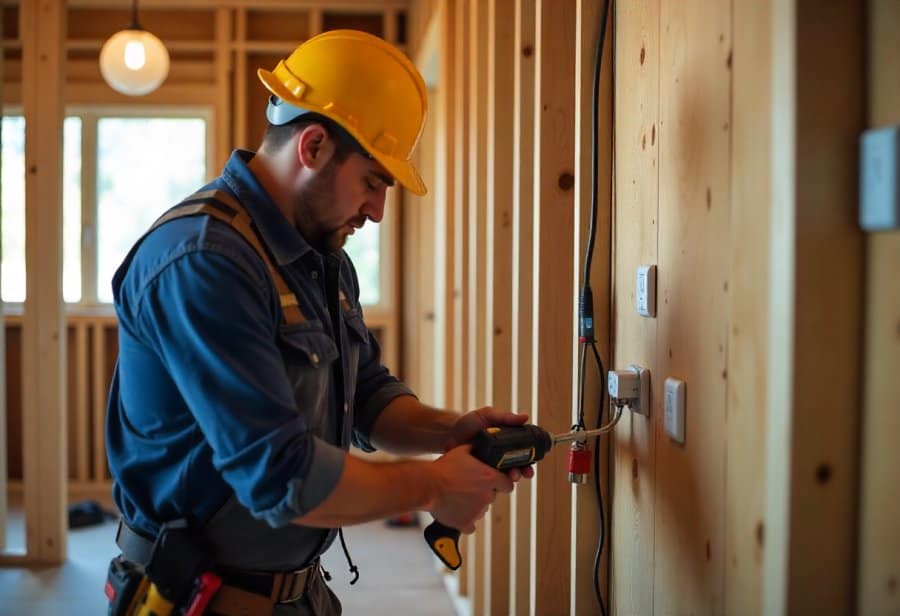
Creating Trustworthy Electrical Systems Through Expertise and Vigilance
Electricians do more than just run wires; they turn complex plans into safe, dependable electrical systems that keep our homes functioning smoothly. Their key skills—ranging from interpreting detailed diagrams and understanding safety standards to precise wiring and troubleshooting—are the backbone of this transformation. Without their expertise and craftsmanship, simple tasks could lead to serious hazards. Their ability to read blueprints, select the right tools, and follow strict safety protocols ensures that every system they install or repair is built to last and safe for daily use.
Prioritizing safety isn’t just about following rules—it’s a mindset embedded in every step of their work. Electricians approach each project with discipline and attention to detail, verifying circuits are de-energized before starting and double-checking connections before powering up. This thoroughness prevents mistakes and reduces the risk of shocks, fires, or other hazards. Their commitment to safety creates a foundation of trust, giving homeowners confidence that their electrical systems are both reliable and secure.
Precision remains central to quality electrical work. Whether designing wiring routes, installing outlets, or conducting tests, every action demands focus and care. Small oversights—like loose connections or incorrect wire routing—can have long-term consequences. Electricians’ systematic testing, meticulous labeling, and verification processes ensure systems aren’t just functional but also safe, easy to maintain, and capable of withstanding daily demands. This attention to detail is what transforms a tangled mess of wires into a resilient, well-organized network.
Handling complex wiring projects requires more than skill; it demands adaptability and calm problem-solving. Outdated infrastructure, limited space, or unforeseen obstacles often challenge even seasoned electricians. Their ability to troubleshoot quickly, make precise adjustments, and stay aligned with safety standards keeps projects on track and guarantees the system’s long-term safety. This flexibility ensures that every installation not only works today but remains dependable for years to come.
By combining technical mastery, a safety-first mindset, and a dedication to quality, electricians create electrical systems homeowners can trust. Their work safeguards families, supports daily life, and upholds the integrity of our homes. When every wire is carefully routed, every connection verified, and every challenge met with professionalism, they turn what could be chaos into peace of mind. Their craftsmanship ensures that our homes aren’t just powered—they’re protected.